





China & Southeast Asia
The heading is a compromise. Under it sits a region with greater internal variation than Europe has, where a single Chinese province can hold more regional cuisines than a European country. The books are chosen to show that rather than to flatten it.
What holds Chinese cooking together is not the flavours but the order of work. Everything is cut before the fire is lit, because the cooking itself takes ninety seconds. The cleaver does what a whole drawer of knives does elsewhere. The wok has to be hot enough for wok hei, the scorched aroma that cannot be produced on an ordinary domestic hob and that half the literature is devoted to compensating for.
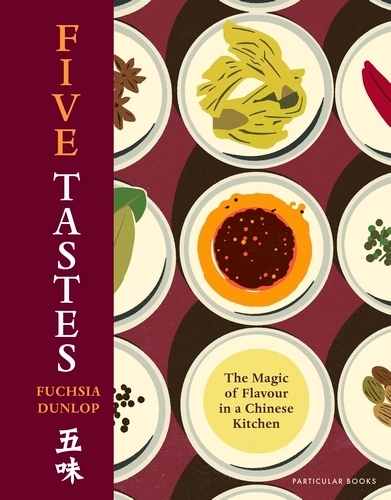
Five Tastes came out in September 2026 and is Fuchsia Dunlop's first entirely new cookbook in ten years. It teaches tastes rather than dishes: sour, bitter, sweet, salty and the one usually translated as pungent, the heat of ginger, garlic, chilli and Sichuan pepper. It is an older way of thinking than the Japanese idea of umami that took hold here, and a more useful one, because you can cook by it without a recipe.
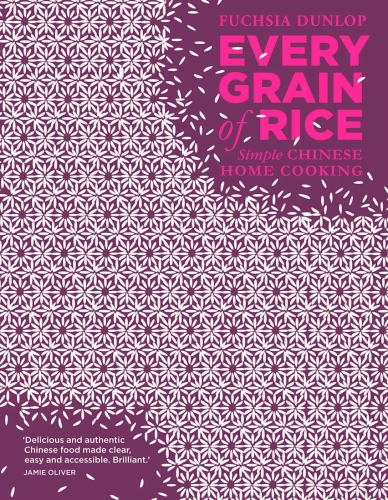
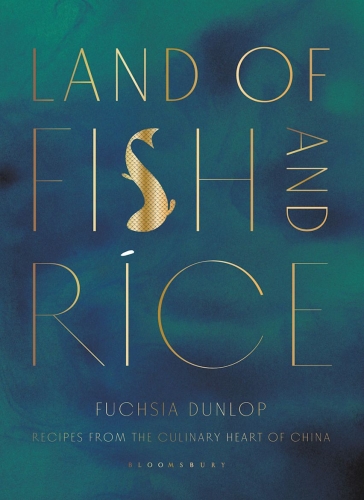
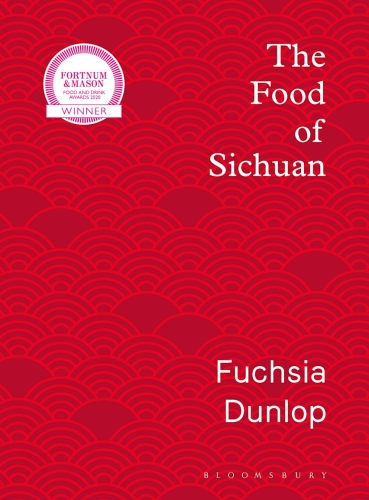
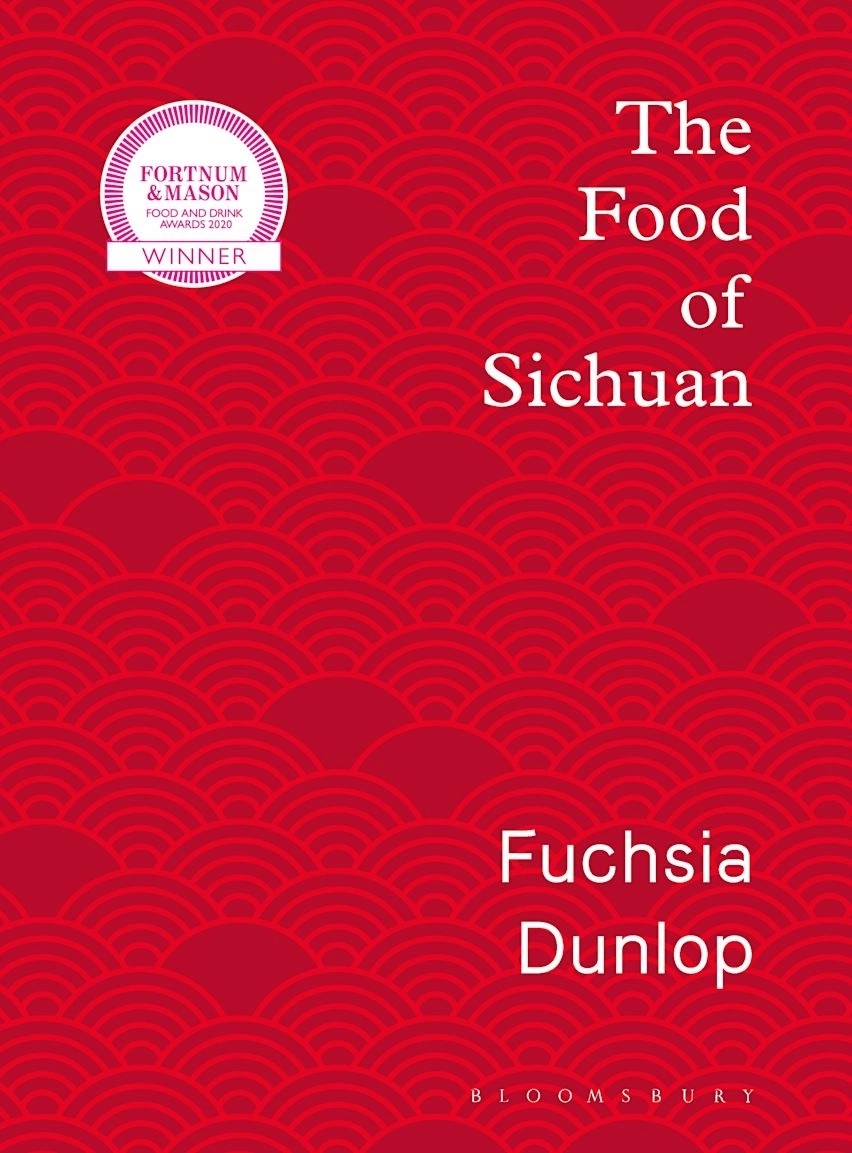
Dunlop trained as a chef at the Sichuan Higher Institute of Cuisine in Chengdu in the nineties and works in Chinese. She reads the sources herself. The Food of Sichuan is about málà, numbing plus heat, the combination of Sichuan pepper and chilli that most Western Sichuan dishes leave out altogether. Land of Fish and Rice takes Jiangnan around Shanghai, almost the opposite: sweetness, rice wine, freshwater fish and restraint. Every Grain of Rice is the everyday food as it is actually cooked at home.
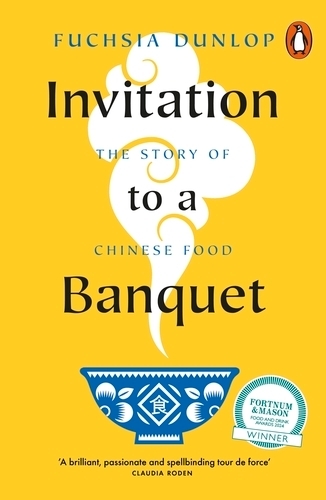
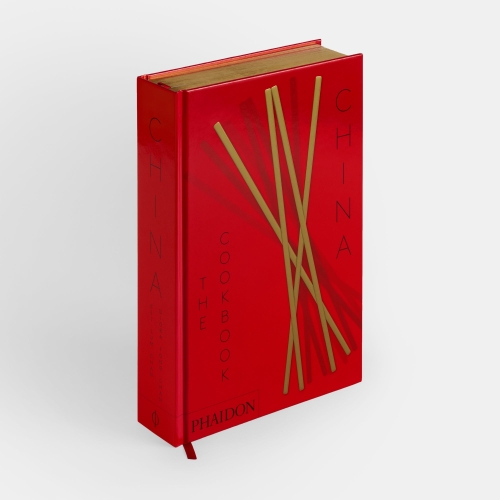
Invitation to a Banquet is not a cookbook at all but a cultural history of Chinese food, and it also sits under food history and culture. China: The Cookbook by Kei Lum Chan and Diora Fong Chan is the opposite again, more than 650 recipes from the country's regional cuisines, a reference to look things up in rather than a book to read.
Further south the whole method changes. Where Chinese cooking is built on fire and order, Southeast Asian cooking is built on the mortar. Rempah, curry paste, sambal. The aromatics are pounded to a paste before they meet heat, and the balance of salt, sourness, sweetness and heat is adjusted at the end instead of fixed at the start. The salt comes from fish sauce and shrimp paste, and the herbs are vegetables, not garnish.
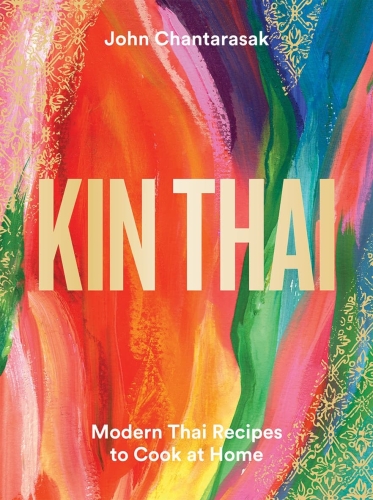
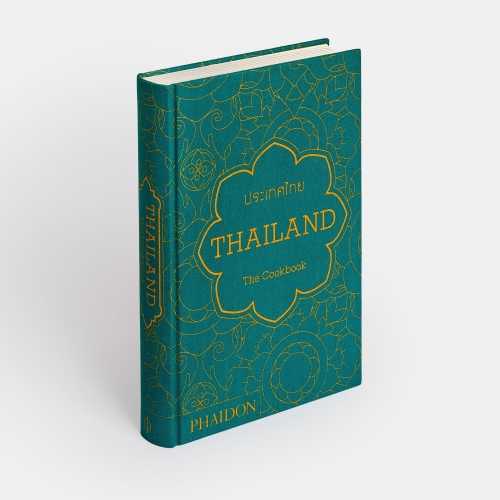
Thailand: The Cookbook by Jean-Pierre Gabriel works through Thai cooking region by region. Kin Thai by John Chantarasak does the reverse and cooks Thai food with British produce, which sounds like a concession but is the more honest book for anyone cooking in Europe.
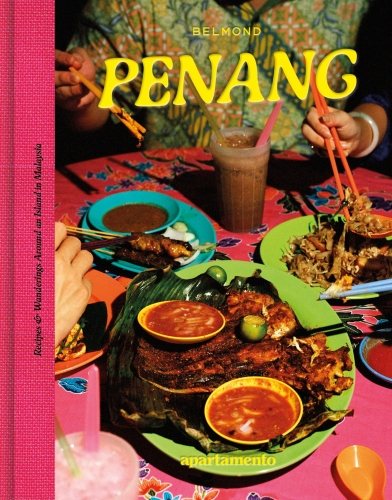
Penang: Recipes and Wandering is about one of the most interesting crossroads kitchens in the world, where Chinese ingredients went through Malay technique and became nyonya. Indonesian Food by Sri Owen and Coconut & Sambal by Lara Lee cover Indonesia, a country with more cuisines than there are words for them.
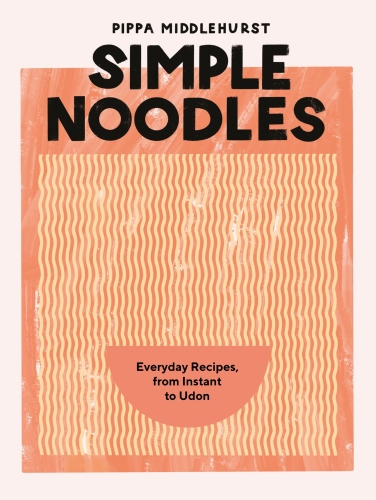
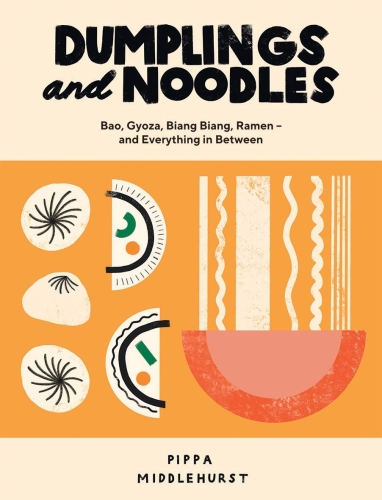
Most people start with noodles and dumplings, though. Dumplings and Noodles and Simple Noodles by Pippa Middlehurst are the right place for it, because dough and broth teach more about the region than a list of provinces does.
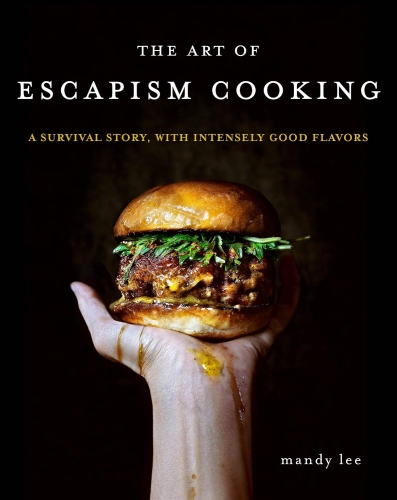
Together with Every Grain of Rice, that is where this region meets everyday food. The Art of Escapism Cooking by Mandy Lee is the exact opposite, a book written out of sheer misery after a move to Beijing, and considerably funnier than cookbooks tend to be.
The region does not end at the category boundary. Japan and Korea sit alongside it and share both the rice pot and the soy, and wok technique itself is covered by The Wok by Kenji López-Alt, which sits under Learn to Cook. Cuisines & Cultures shows the rest.