






 30 DAYS OPEN PURCHASE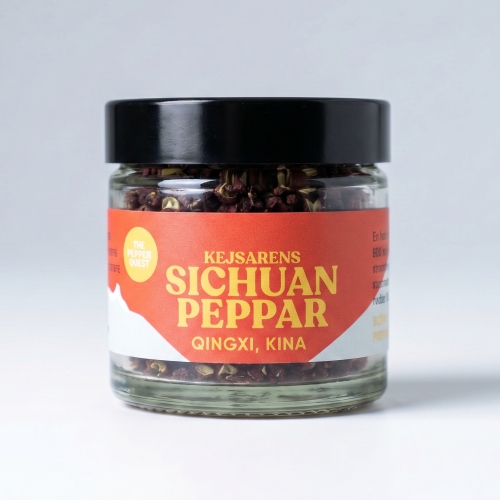
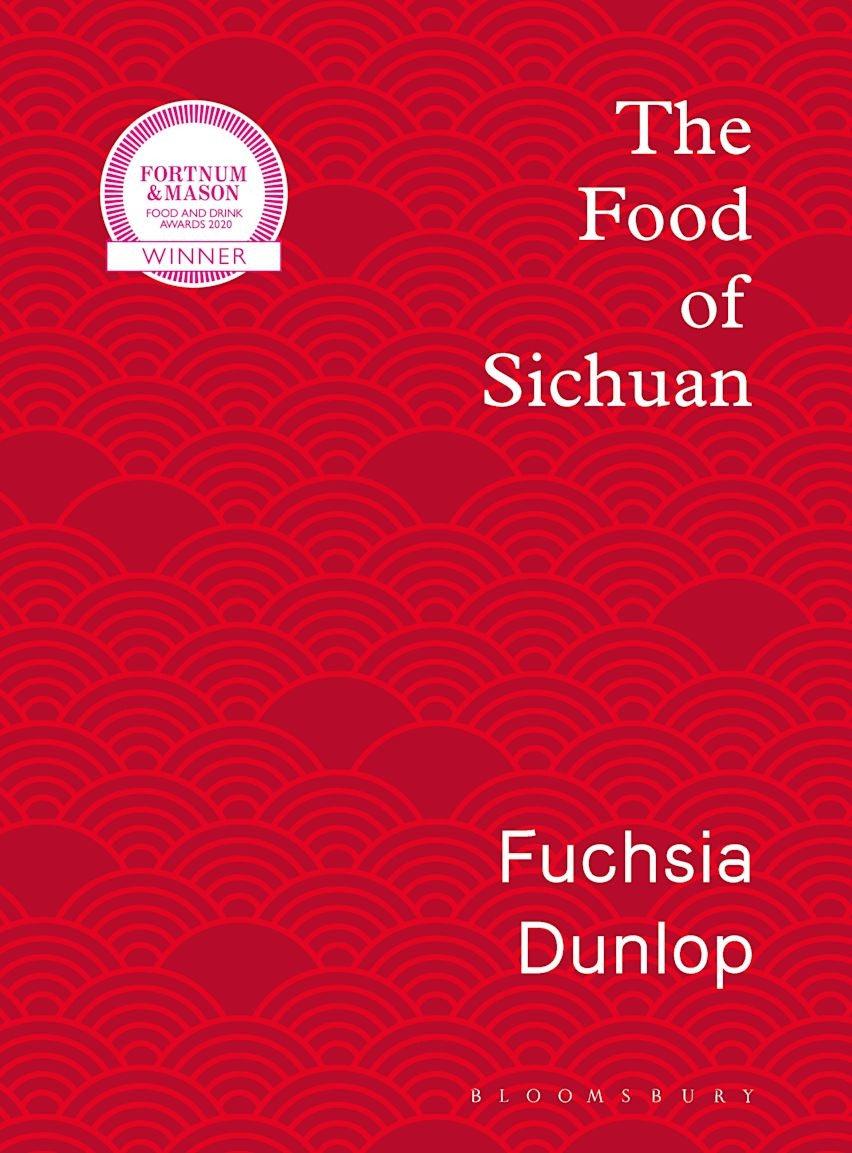
Fuchsia Dunlop trained as a chef at the Sichuan Institute of Higher Cuisine in Chengdu in the 1990s, becoming the first Westerner to do so, and has since been the undisputed English-language authority on Chinese food.
Her breakthrough was Sichuan Cookery, published in 2001 and released in the US as Land of Plenty. That is the book extensively reworked here. The Food of Sichuan appeared in 2019, greatly expanded to around 200 recipes, a large proportion of them new, with updated sections on ingredients and techniques reflecting what is actually available today compared with almost 20 years earlier.
Mapo tofu is made correctly in this book and incorrectly in almost every other one. It may sound like a minor detail, but it is symptomatic: Dunlop explains why a dish tastes the way it does, not merely how to put it together.
Format: Hardback
Number of pages: 496
Language: English
First published: 2019
The Kitchen Lab Selection
Sichuan pepper is not hot. It is numbing, in that way that makes the lip tingle and that nobody quite warns you about the first time. Together with chilli it becomes málà, numbness plus heat, and that is the foundation of the entire cuisine. Most Western Sichuan dishes skip the numbing altogether, which explains why they taste roughly like spicy Chinese food and nothing more.
Then there are more than 20 named flavour profiles in Sichuan cooking, each a fixed combination a cook is expected to know by heart. One is called fish-fragrant and contains no fish at all, but pickled chilli, ginger, garlic, sugar and vinegar. Another is called simply strange flavour. You get the sense that someone has sat and thought this through for a very long time.
Dunlop trained at the cooking school in Chengdu as the first Westerner to do so and works in Chinese. She reads the sources herself rather than going through somebody else's translation, which is the difference between being right and sounding right.