





Nordic Countries & Sweden
The Nordic countries are badly placed for cooking. For eight months of the year almost nothing grows, the summers are short and extravagant, the winters neither one thing nor the other. Nearly everything distinctive about Nordic food follows from that.
Which is why Nordic cooking is, at bottom, about keeping things. Salmon is cured in salt, sugar and dill. Herring goes into vinegar and then into mustard or onion. Baltic herring is left to ferment into surströmming, fish is smoked, meat is wind dried, cabbage soured, root vegetables packed in sand in a cellar. The rye bread is sour because sourdough keeps longer than fresh bread. None of it was done for flavour to begin with. It was done to get through February.
The turn is the interesting part. Techniques that came out of necessity are now performed by choice, and what kept a farm alive is on the menu in Copenhagen. Fermentation and preservation is not a trend up here. It is a return.
The turning point is usually dated to November 2004, when twelve Nordic chefs signed the New Nordic Food Manifesto at a symposium in Copenhagen. The document is worth reading, because it is not quite what its reputation suggests. Of its ten points only a couple concern ingredients and seasons. The rest cover purity and ethics, health, animal welfare, knowledge of producers, new uses for traditional Nordic products, and the last one is about joining forces with agriculture, fishing, retail, researchers, teachers, politicians and public authorities. The manifesto was drawn up within the Nordic Council of Ministers. It is at least as much regional policy as it is cooking.
Point eight says outright that the best of Nordic cookery should be combined with impulses from abroad, which is the opposite of the purism the movement was later criticised for. René Redzepi and Mathias Dahlgren were among the signatories, and the paper was not carried by the five large countries alone. The Faroe Islands, Greenland and Åland have a signature each.
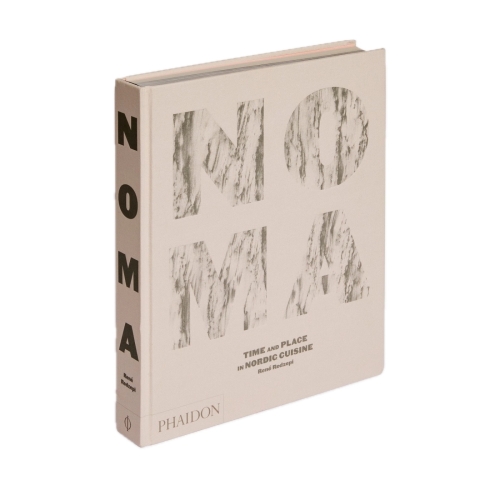
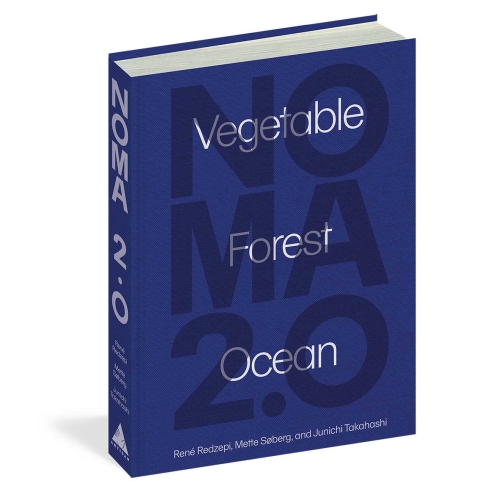
It was Noma that turned those two points about ingredient and season into cooking, and the restaurant has been named the best in the world several times over. Noma: Time and Place in Nordic Cuisine documents the early kitchen. Noma 2.0: Vegetable, Forest, Ocean, written with Mette Søberg and Junichi Takahashi, shows what the same principle became after twenty years: three seasons instead of a menu, and a way with vegetables that few French kitchens would attempt.
What was exported was never the recipes. No cook in Lima or Melbourne makes Nordic food because Noma exists. What spread was the method, meaning looking at what grows outside your own door instead of ordering in whatever counts as luxury. That is why the Nordic books are cited in kitchens with no connection to the region, and why they belong among the restaurant books as much as here.
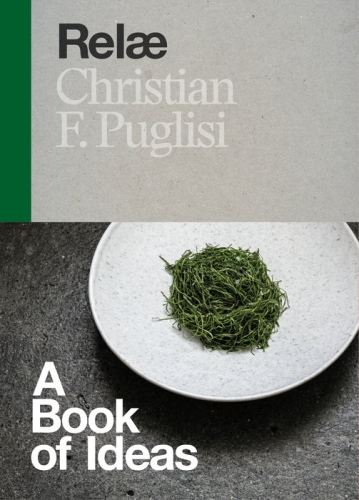
Relæ: A Book of Ideas is the counter-image from the same city. Christian Puglisi came from Noma and elBulli and opened on Jægersborggade in Nørrebro, a long way from the harbour, with no tablecloths and the cutlery in a drawer under the table. The book is built around the ideas rather than the menu, which is unusual for a restaurant book and makes it far more useful.
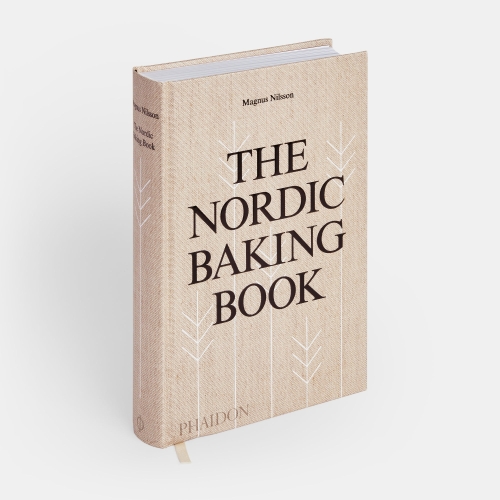
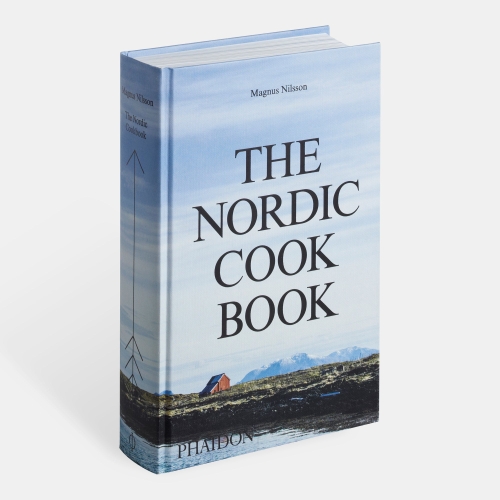
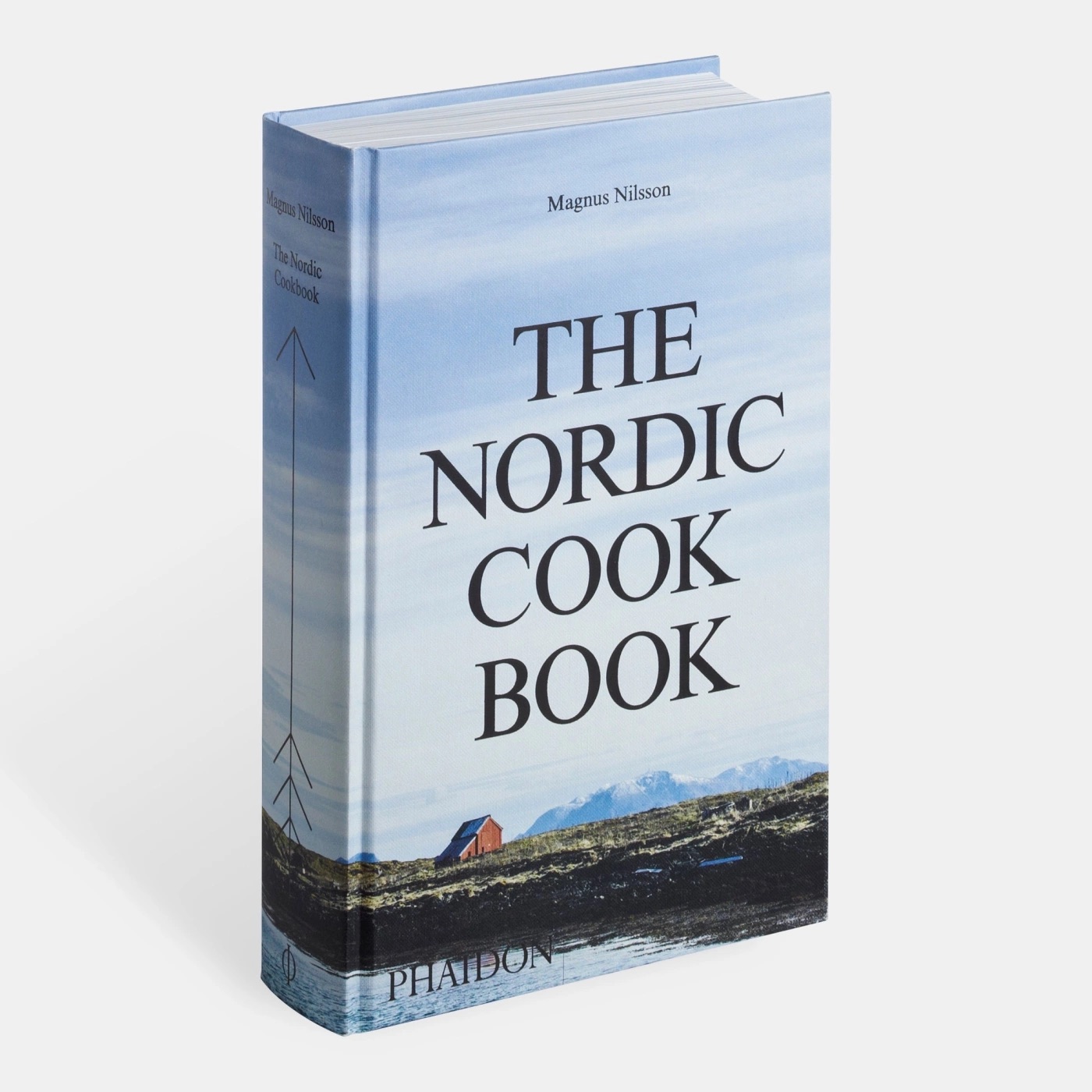
Magnus Nilsson did the opposite of a manifesto. The Nordic Cookbook gathers 700 recipes from across the region after four years of travelling, meaning what people actually eat, from Faroese wind drying to Finnish pastry, without once claiming any of it is a movement. The Nordic Baking Book does the same for baking. Fäviken is the third strand, a kitchen in Järpen in Jämtland with a supply so limited that the limit became the method.
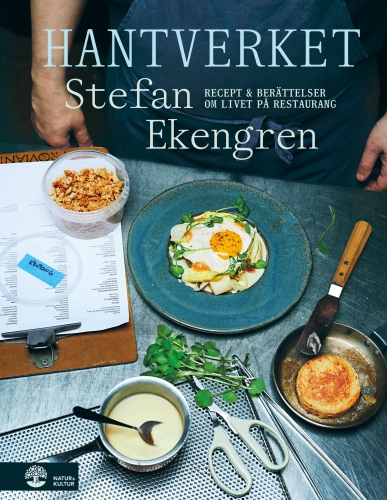
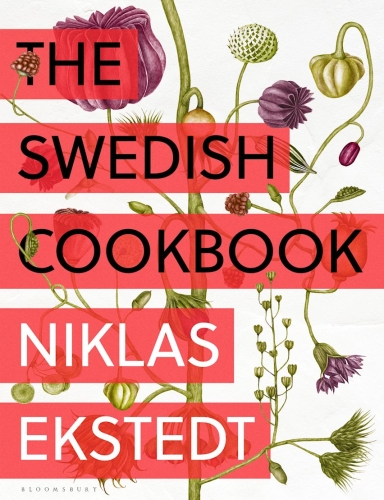
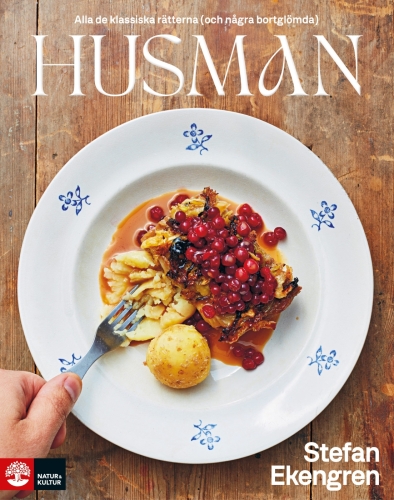
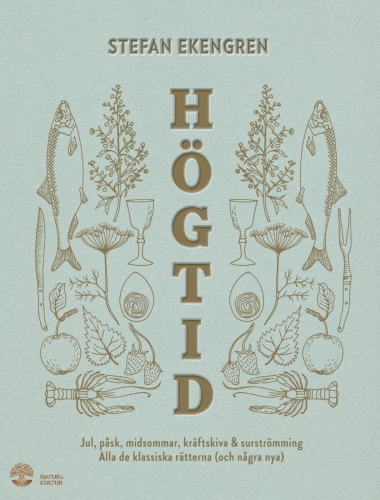
The Swedish everyday strand runs through Stefan Ekengren. Husman collects the classic dishes and a few forgotten ones, meaning kalops and pea soup and cabbage rolls and brown beans. Högtid takes on what is cooked only a few times a year, Christmas and Easter and midsummer and crayfish and surströmming, which in Sweden is the food that carries the most meaning per serving. Niklas Ekstedt's The Swedish Cookbook writes out the same canon in English, organised around lagom and with a chapter of its own on fika and buns.
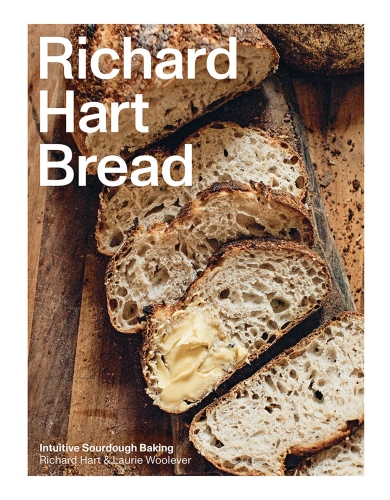
Bread is a chapter of its own up here, because rye handles a climate wheat does not. Richard Hart Bread comes out of Hart Bageri in Copenhagen, which Hart opened in 2018 together with Redzepi after seven years as head baker at Tartine in San Francisco. It won the 2025 James Beard Award in the bread category and is less about recipes than about reading the dough, and it belongs with sourdough and bakery as much as with the Nordic shelf.
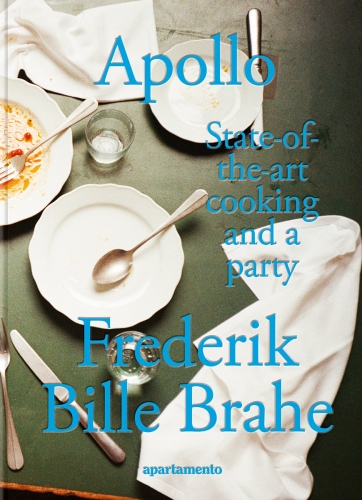
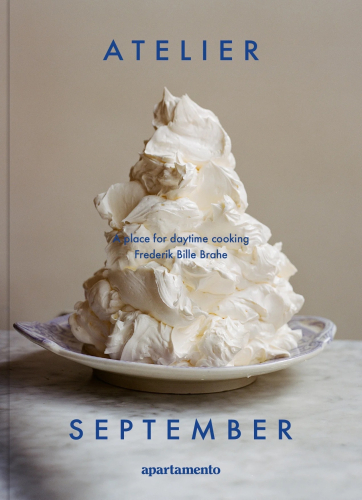
Frederik Bille Brahe stands for what came after. Atelier September and Apollo are about daytime cooking in Copenhagen, meaning the egg, the porridge, the open sandwich and the salad, done with the seriousness of a dinner and without a trace of ceremony. Neither book calls itself Nordic. That is probably the sign that the movement is finished, that it no longer needs a name.
So three things sit here at once. The restaurant work that made the Nordic countries a byword, the archival work that wrote down what people actually eat, and the everyday food that never cared about either. They argue with each other, and the argument is the best thing that has happened to Nordic cooking. The background is under food history and culture, the neighbouring kitchens under Cuisines & Cultures.