







 30 DAYS OPEN PURCHASE
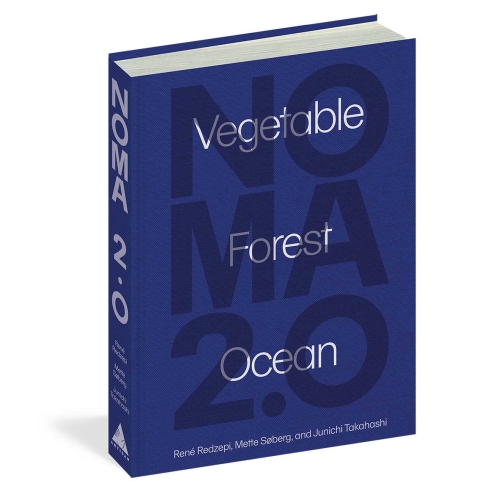
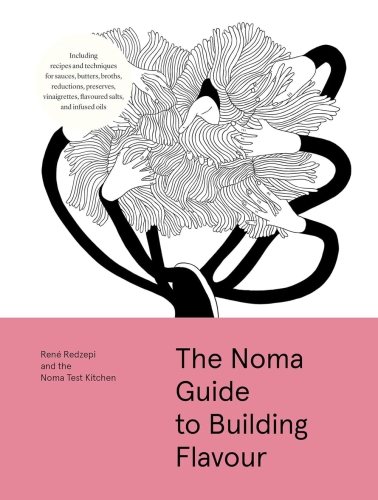
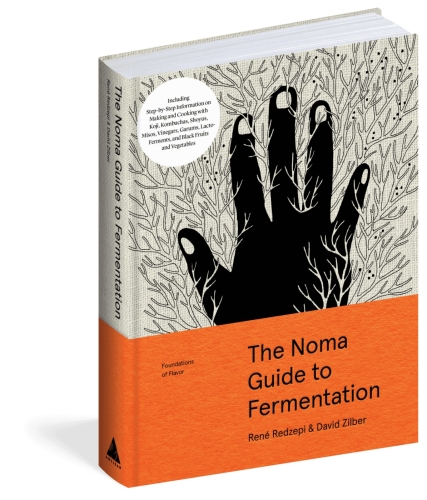
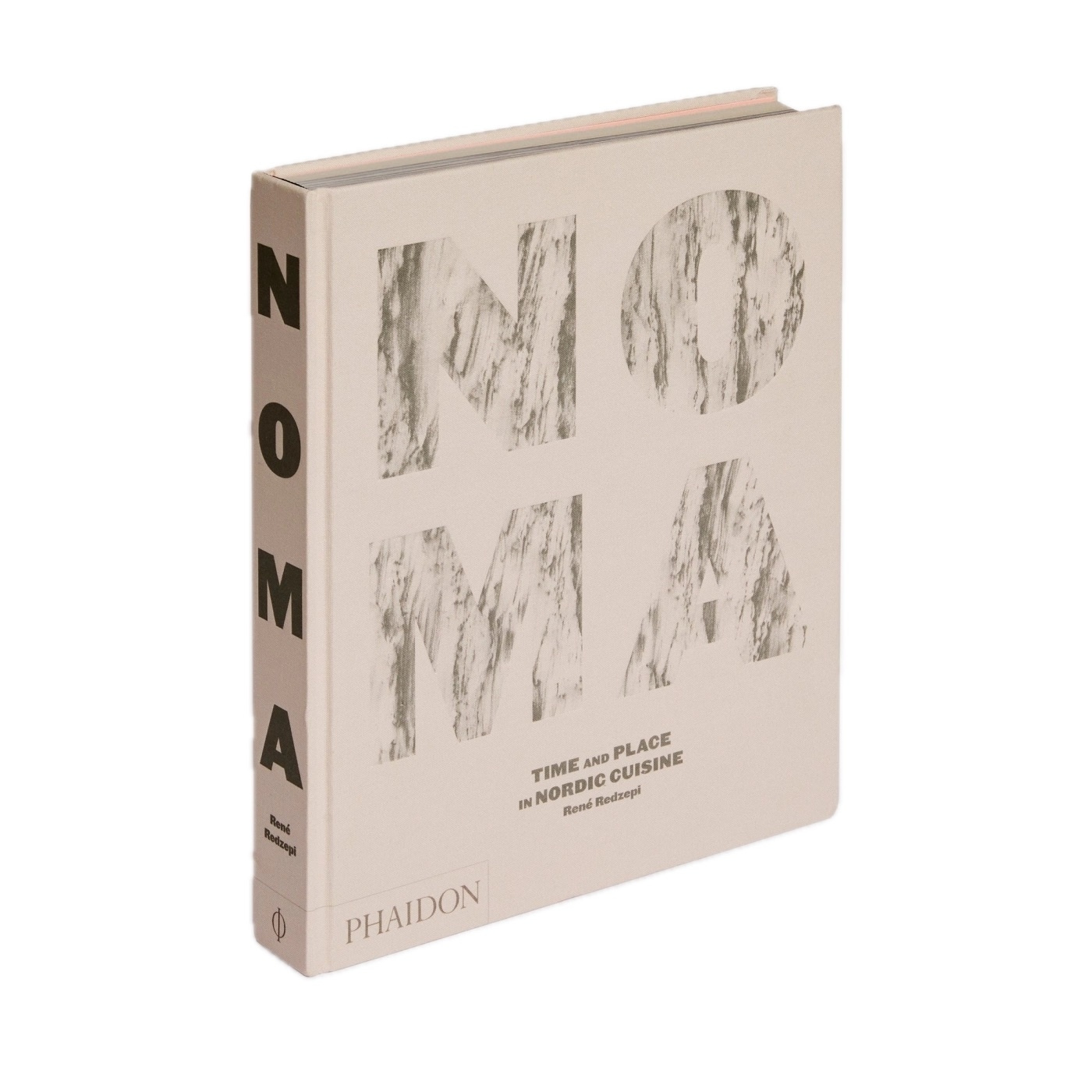
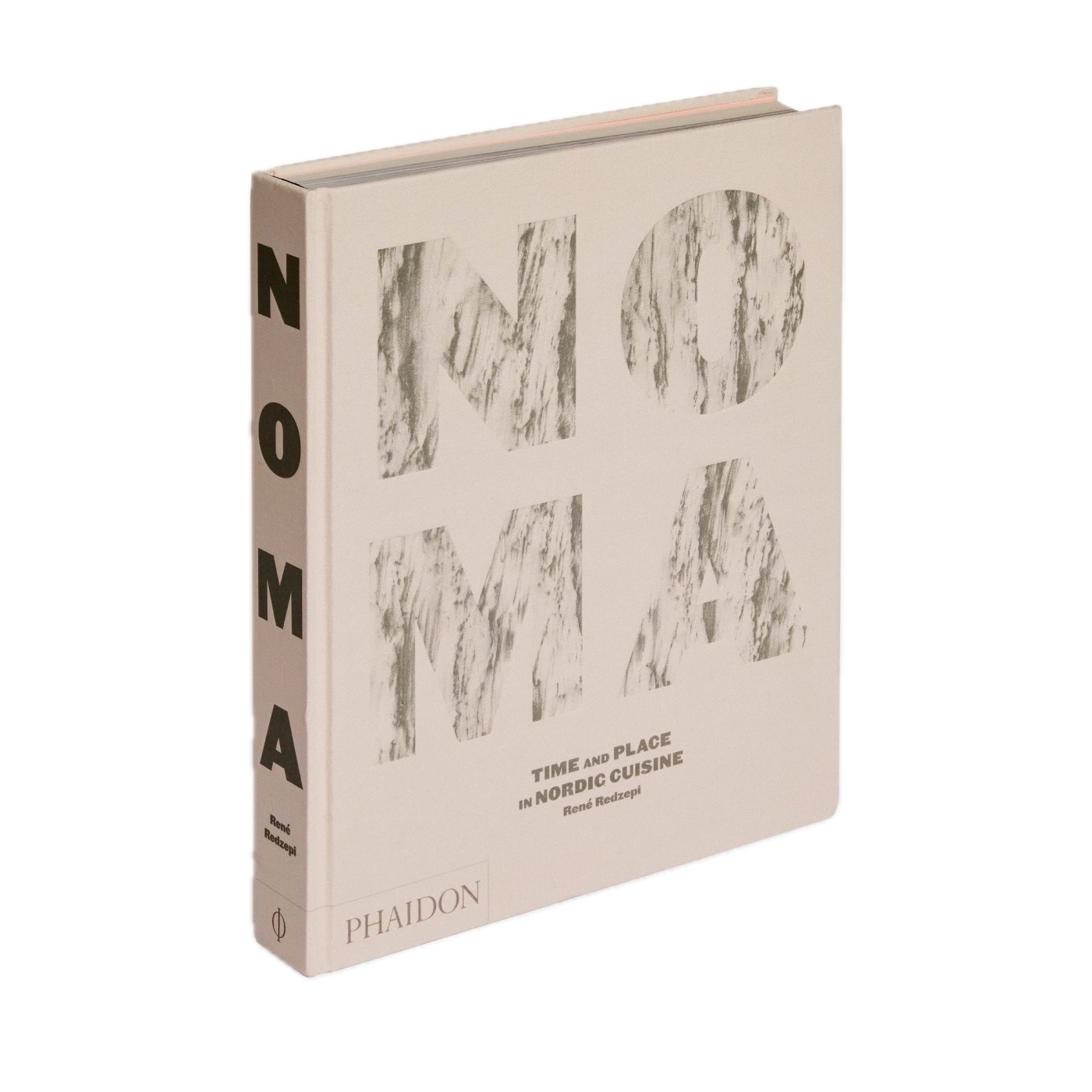
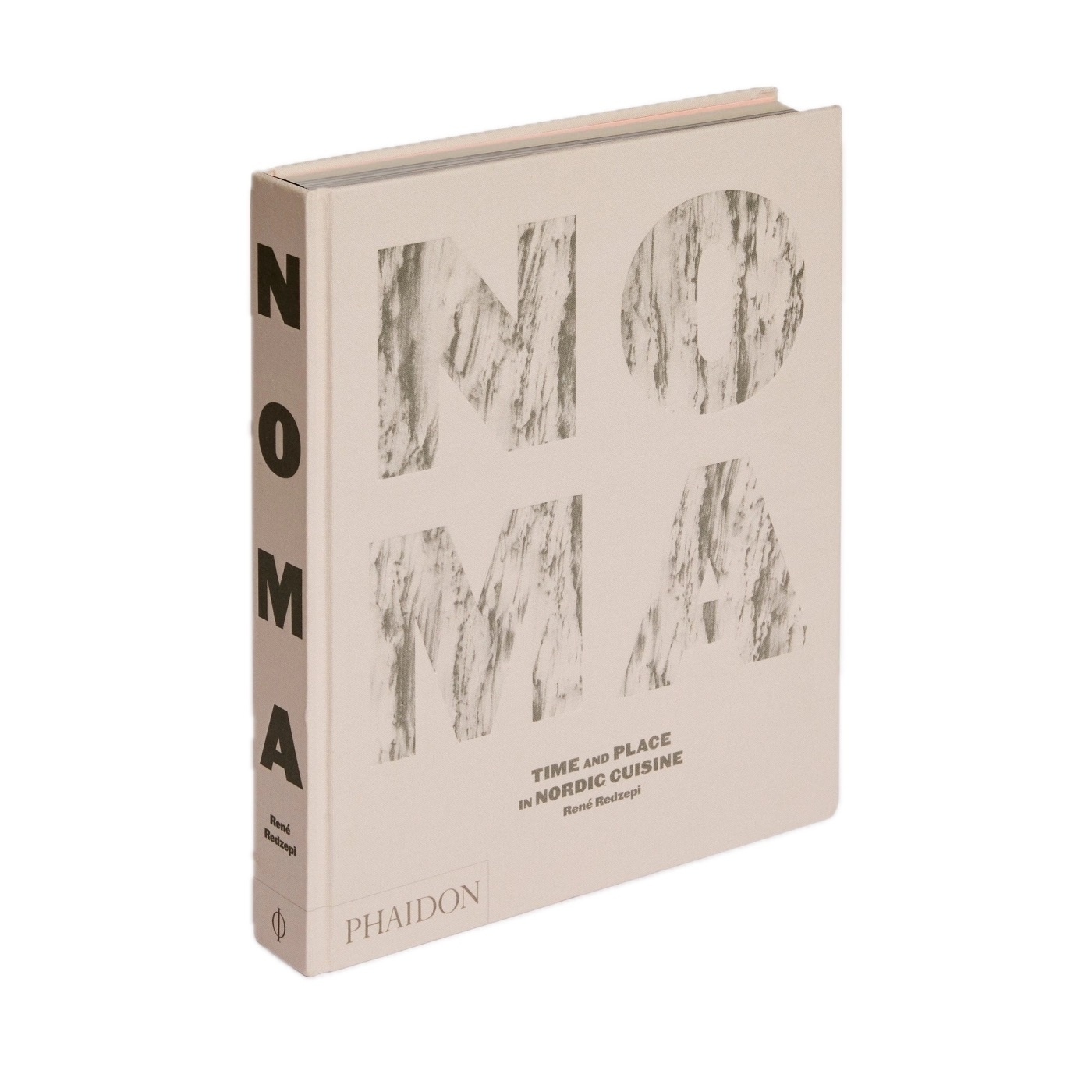
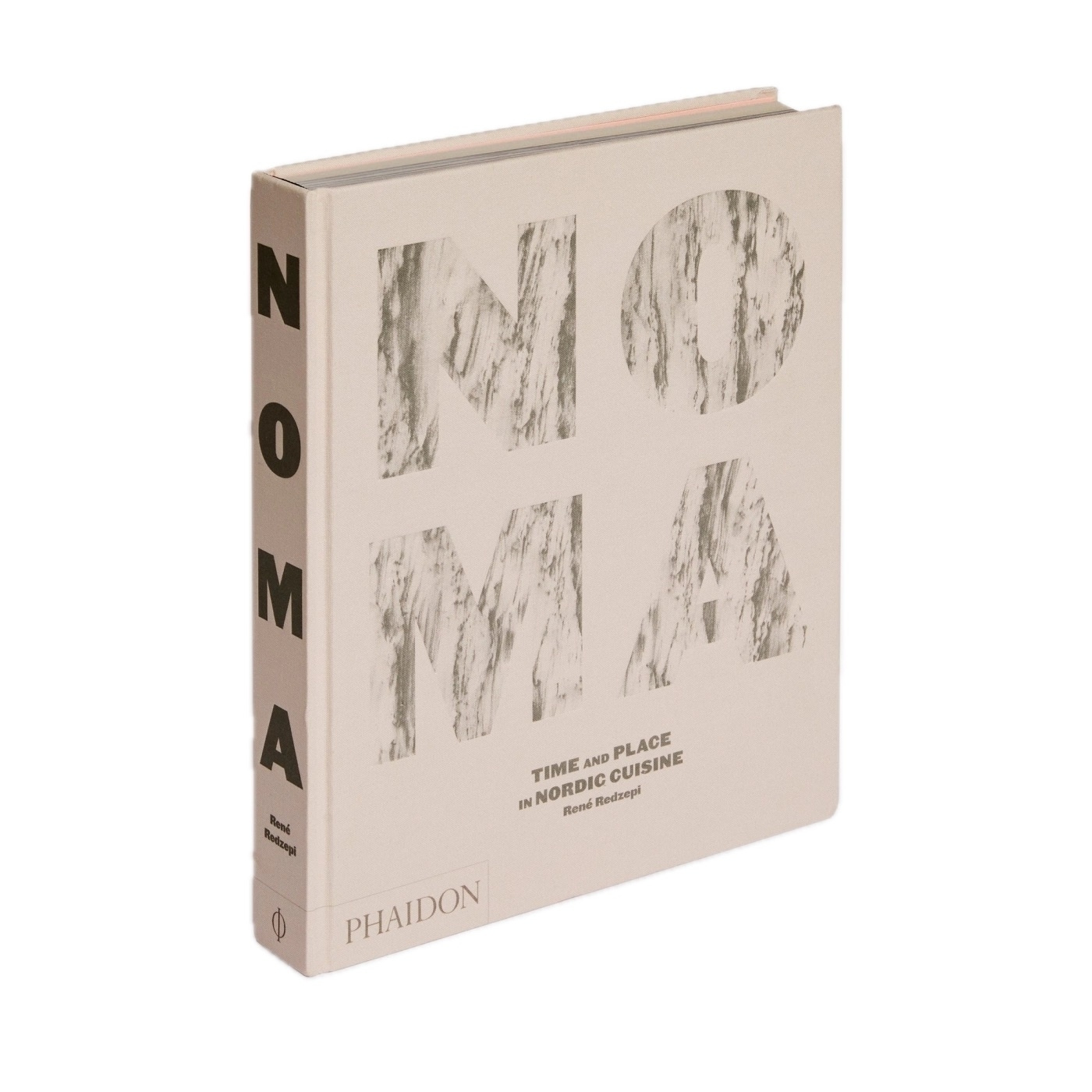
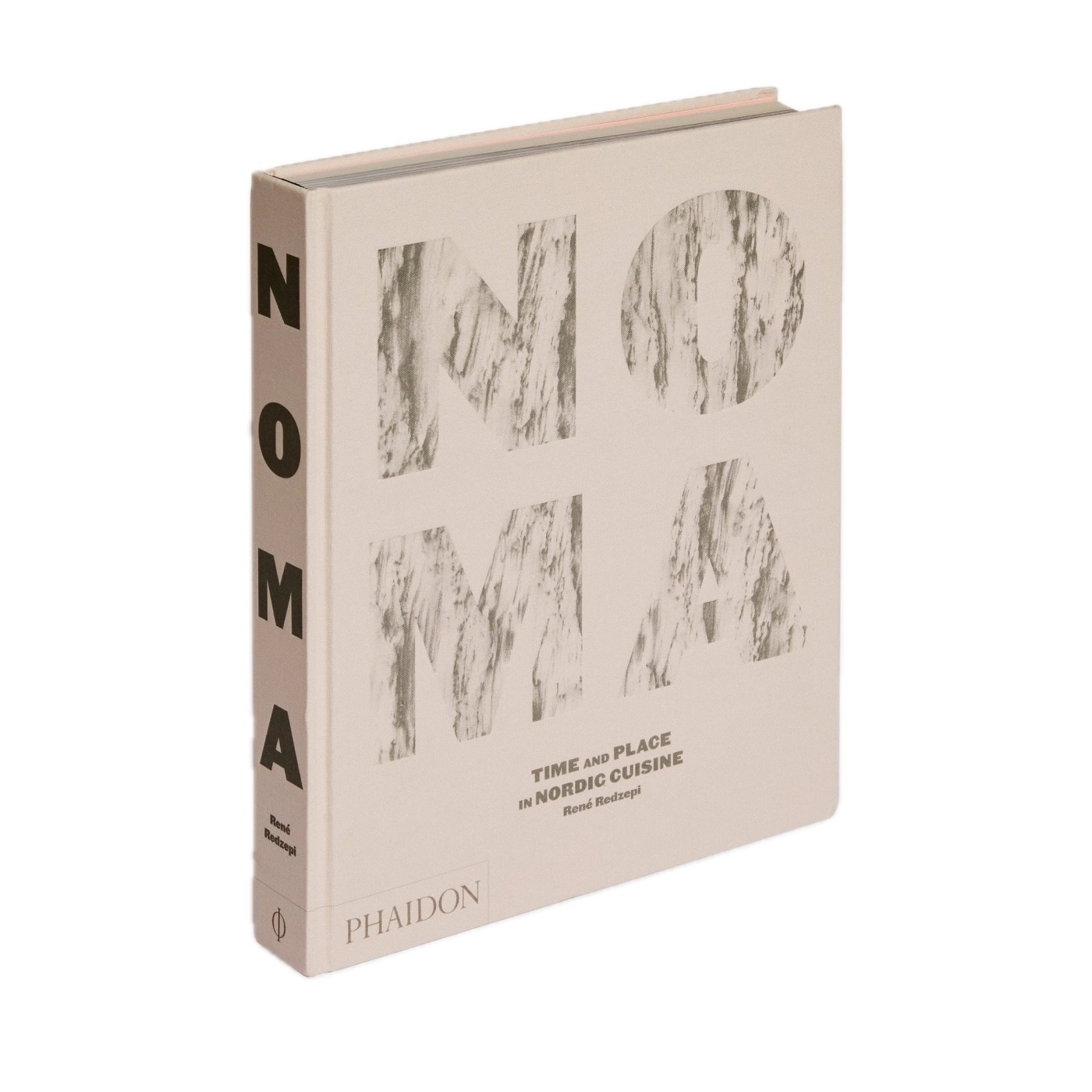
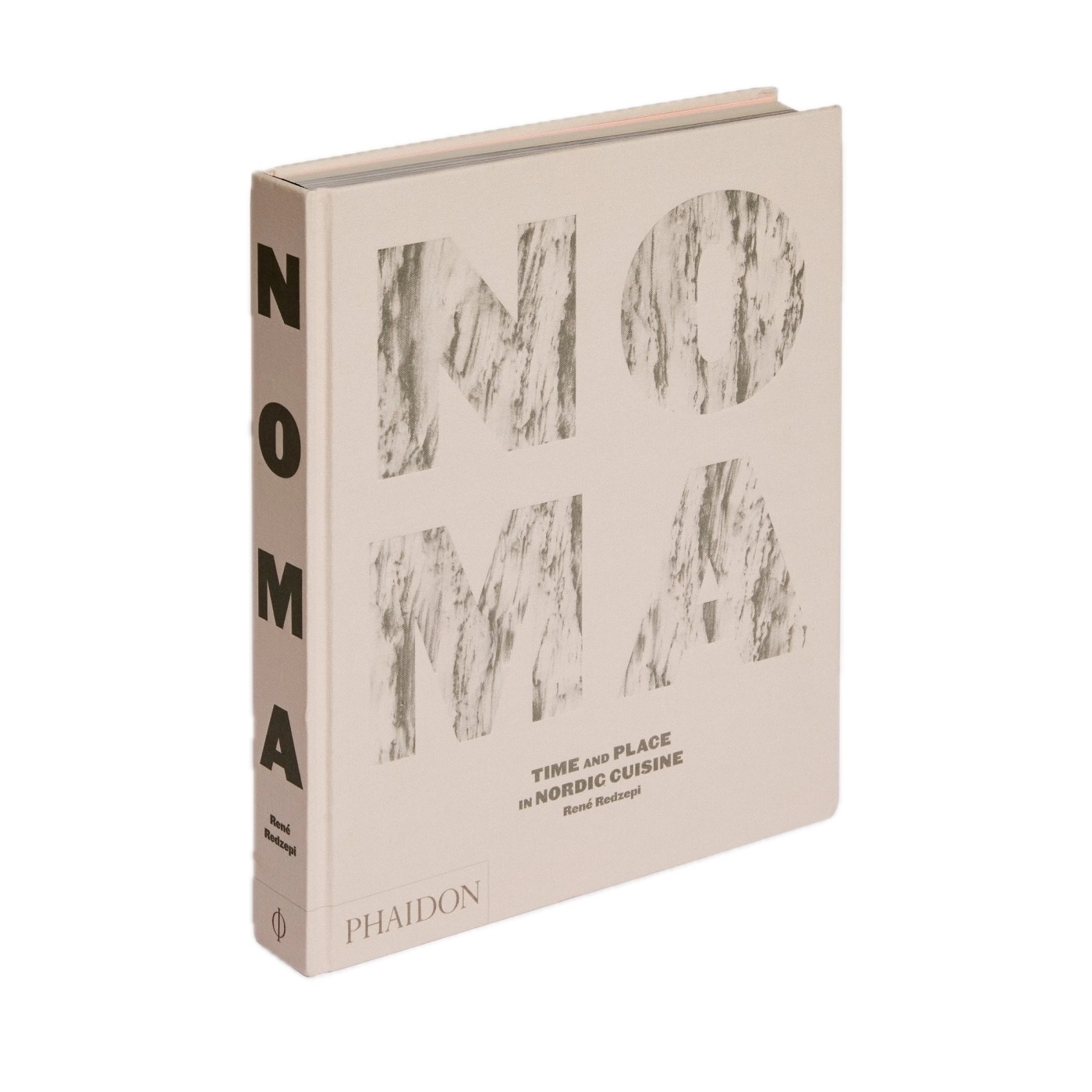
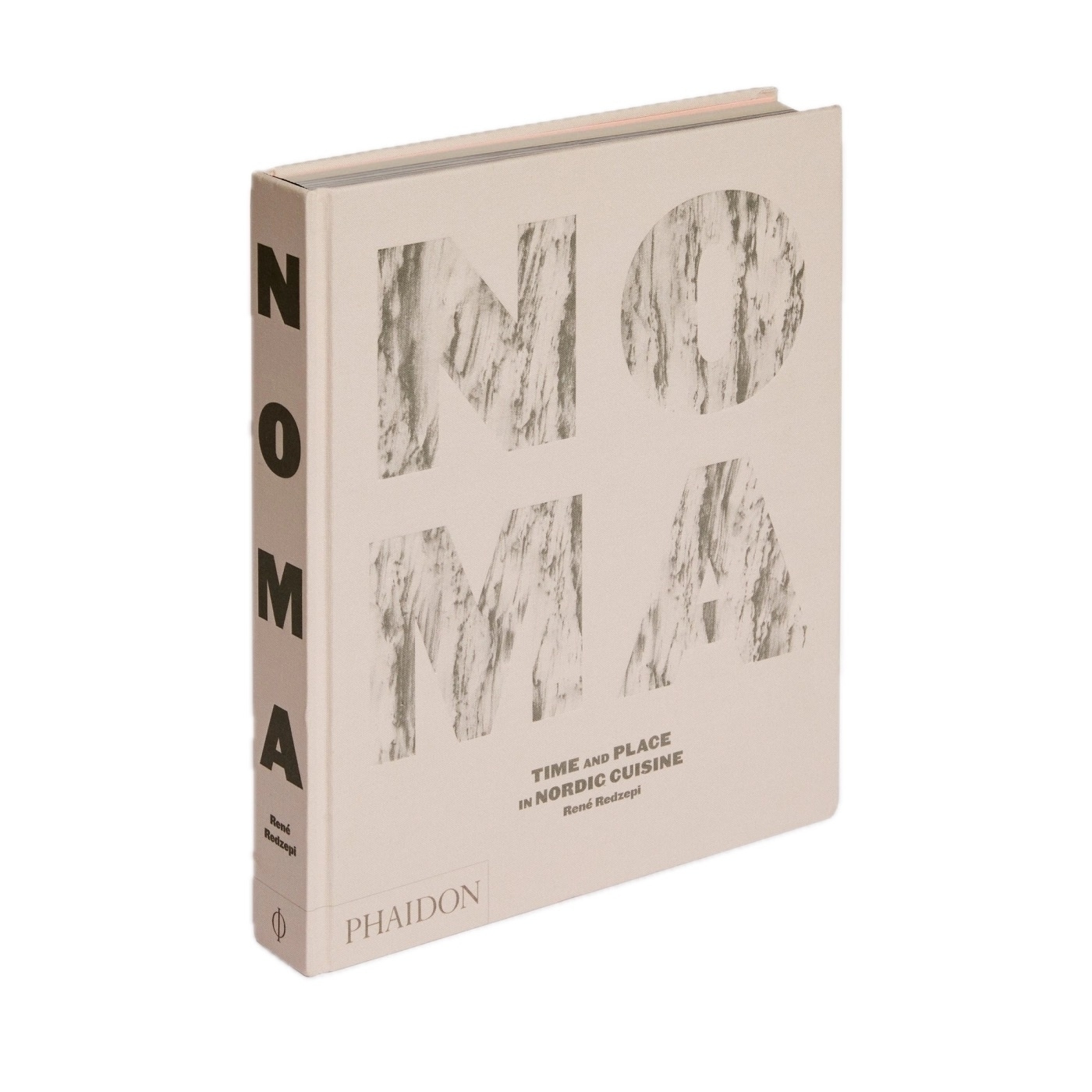
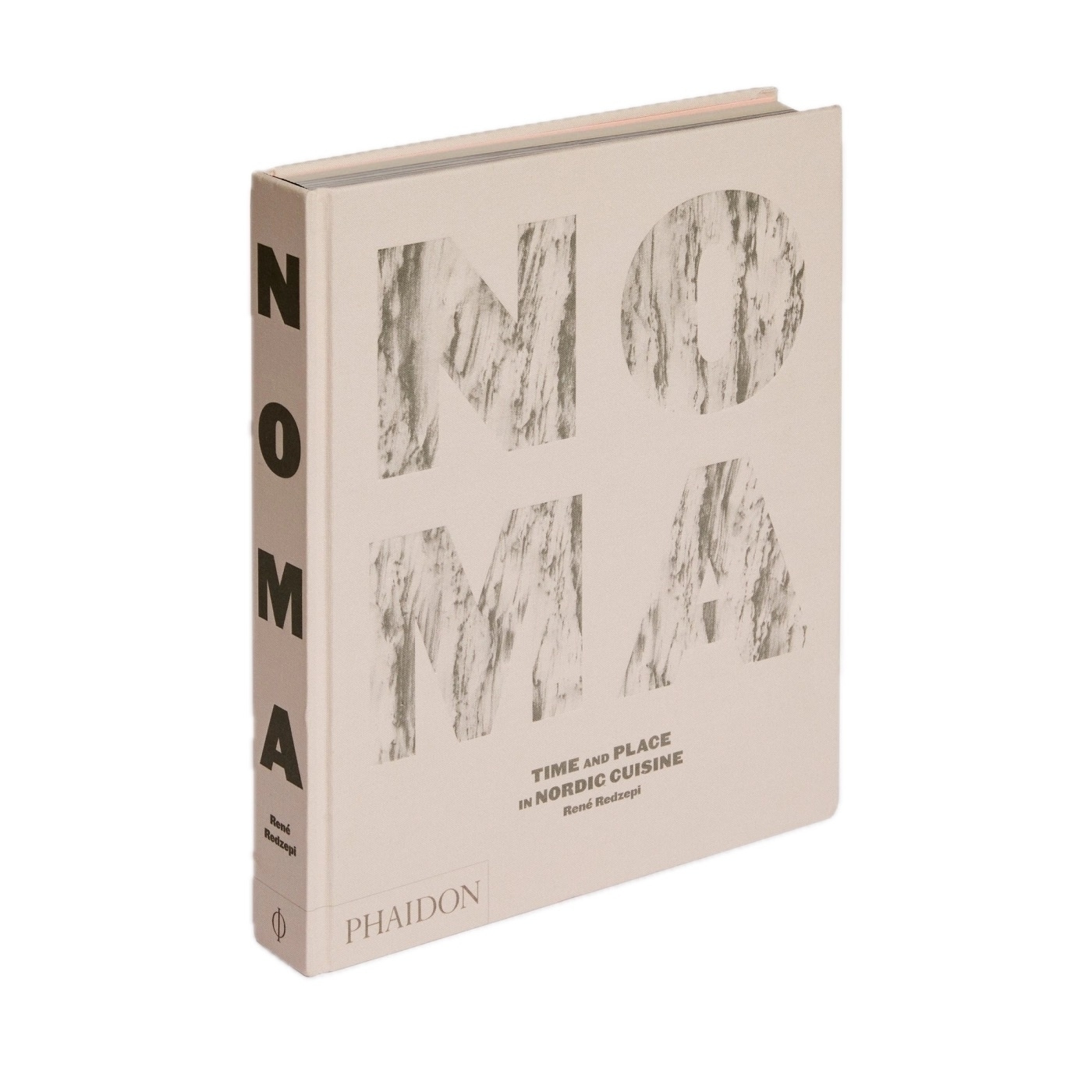
This is the original, meaning the 2010 book rather than any of the later volumes on fermentation or Noma 2.0. It was out of print for years and second-hand prices became obscene, so the fact that you can buy it again is something of a minor miracle.
René Redzepi was 25 when he opened Noma in 2003 with Claus Meyer, in an old warehouse on Christianshavn. No one predicted that the son of an Albanian immigrant would come to define what Nordic food meant, least of all Redzepi himself.
The book contains just over 90 recipes, but be honest with yourself: you are not going to cook them. They call for sweet woodruff, mussels from the Faroe Islands and ice from Greenland. Instead, this is the documentation of a way of thinking, with Redzepi's reflections on season, place and what a larder can consist of when you refuse to import. It was photographed out in the landscape, not in a studio.
We rate this book more highly than any other in our range. Not because it is the most beautiful, but because very few books happen to document the precise moment when something changed. Read it as a historical document from the point when the Noma school's influence on global gastronomy was still in its infancy.
Format: Hardback
Number of pages: 368
Language: English
First published: 2010
The Kitchen Lab Selection
When Noma opened in 2003 it was not obvious that world-class cooking was possible in Copenhagen. Serious cooking presupposed French technique and Mediterranean ingredients, and working solely with what grows in Scandinavia looked like a limitation rather than an idea.
Redzepi turned that around. Without olive oil and lemon, the acidity had to come from somewhere else, namely fermentation. Without tomatoes for eight months of the year, the larder had to be built from what had been preserved. The limitation became the method.
Ever since, every ambitious restaurant asks the question he asked: what grows where we stand?