





Food History & Culture
This is the shelf that explains the rest of the department. A cookbook tells you what to do. These books tell you why somebody once decided it should be done that way, and why we still do it long after the reason disappeared.
The genre has a founding text. Jean-Anthelme Brillat-Savarin's The Physiology of Taste appeared in 1825, written by a lawyer who treated taste as a subject deserving the same seriousness as jurisprudence. It is still the most quoted book on why food matters, and it is read today mostly for the tone, an elderly gentleman reasoning his way along and allowing himself to be funny.
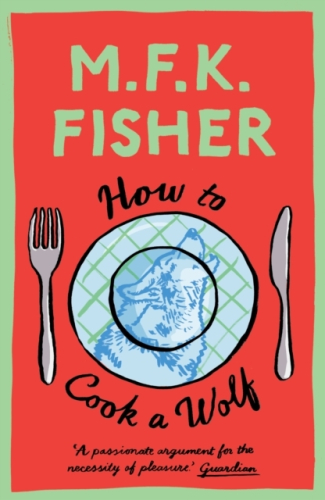
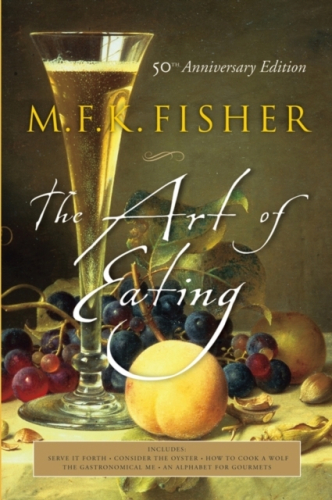
The English-language equivalent is M.F.K. Fisher, and she is the heaviest name in the genre. The Art of Eating collects five books published between 1937 and 1949, and W.H. Auden is said to have remarked that he knew of no one in the United States who wrote better prose. How to Cook a Wolf is the best of them. It came out in 1942 under rationing and is about eating well when there is barely anything to eat. Her position is that care over a meal costs no more than indifference does, an argument that holds even when the larder is full.
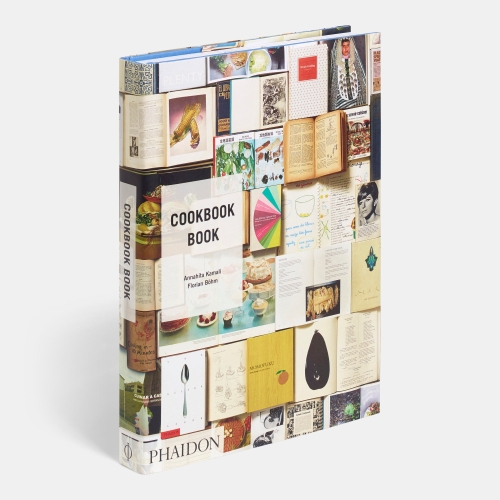
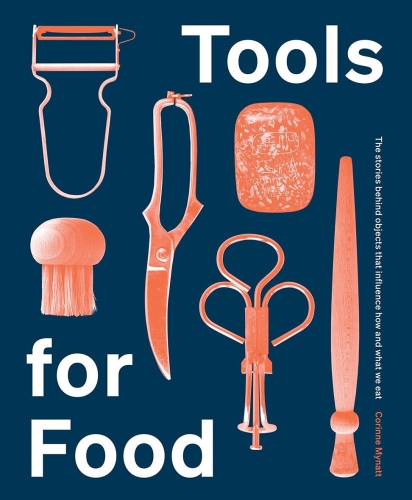
Then there is food as object. Tools for Food by Corinne Mynatt works through 250 kitchen implements and their histories, from Mongolian fire pots to Tupperware, and is the book that best shows that technique comes before recipe. Cookbook Book treats 125 cookbooks of the past century as design objects, meaning not what is in them but how they look and what the form says about its time.
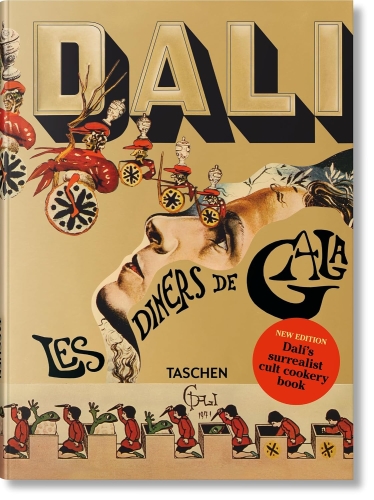
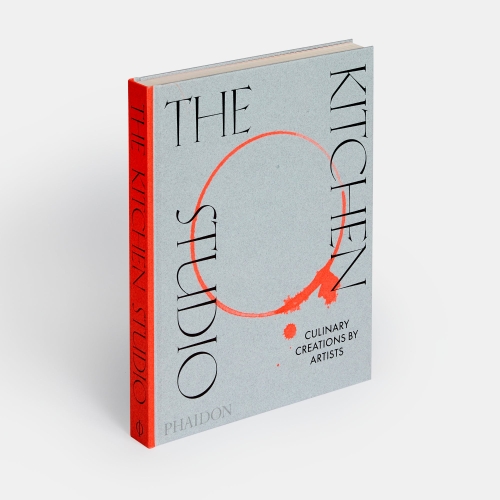
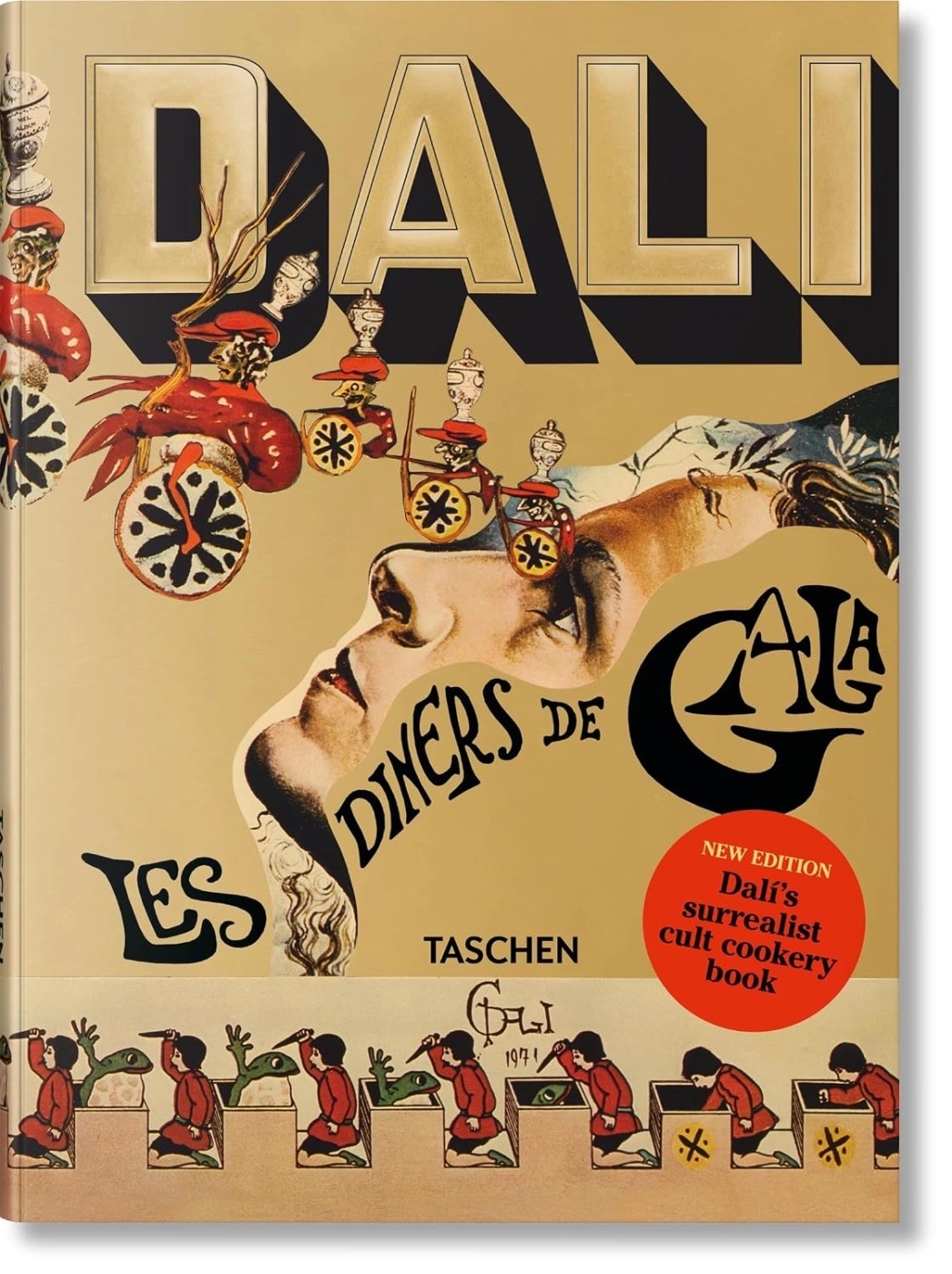
And food as image. Salvador Dalí's Les dîners de Gala from 1973 is as much an art book as a cookbook and considerably more serious than it sounds. The Kitchen Studio has over seventy contemporary artists contribute a recipe each. Snacky Tunes does the same with music and asks some seventy chefs what they listen to and why, which sounds invented but holds, because chefs and musicians work under the same kind of conditions.
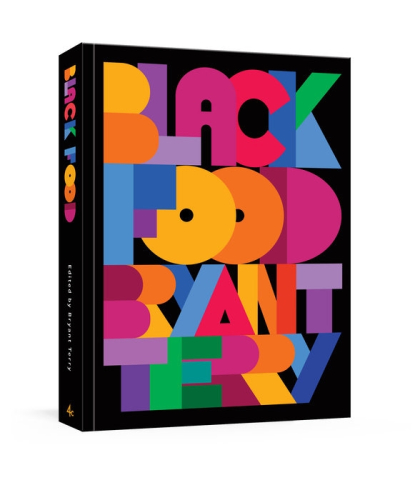
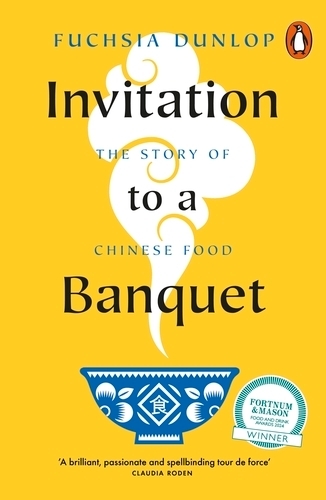
Black Food by Bryant Terry is an anthology of more than a hundred Black voices, cooks, writers, artists and musicians, and it treats food culture as history and as claim rather than as theme. Invitation to a Banquet by Fuchsia Dunlop does the equivalent work for Chinese food and therefore belongs here as much as under China & Southeast Asia.
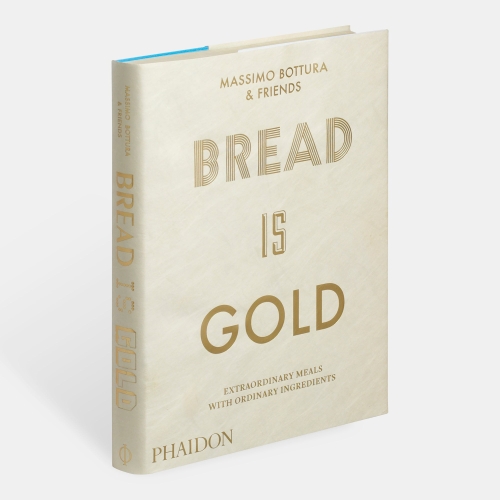
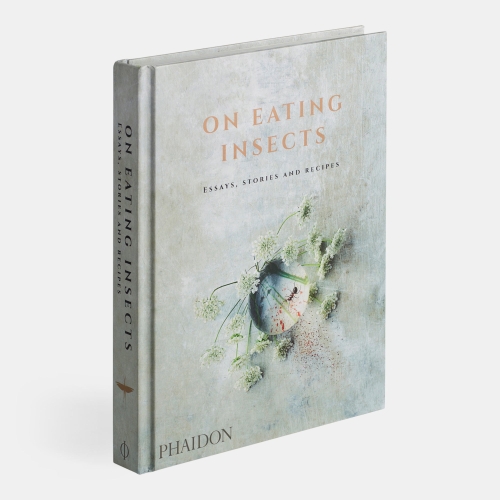
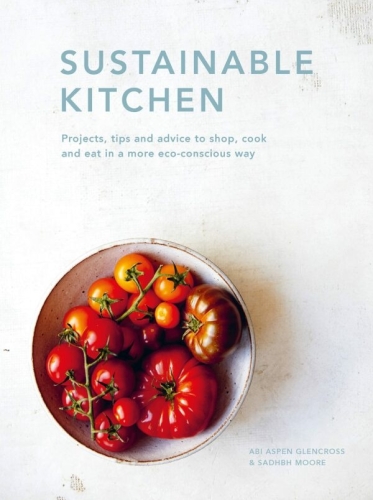
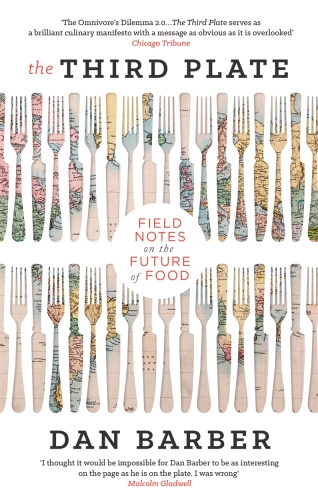
Part of the shelf is not about what we have eaten but about what we ought to eat. Dan Barber's The Third Plate argues that the whole farming system has to be visible on the plate and not only the good part of it. Massimo Bottura's Bread Is Gold came out of the Refettorio Ambrosiano during the 2015 Expo in Milan, where chefs cooked meals from what would otherwise have been thrown away. Sustainable Kitchen and Eating Insects push the question further, the latter with more seriousness than the subject usually gets.
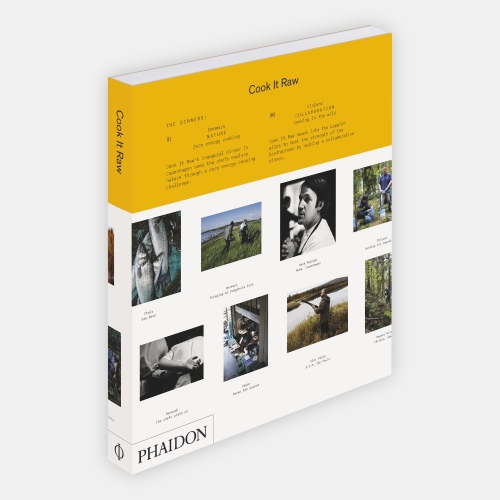
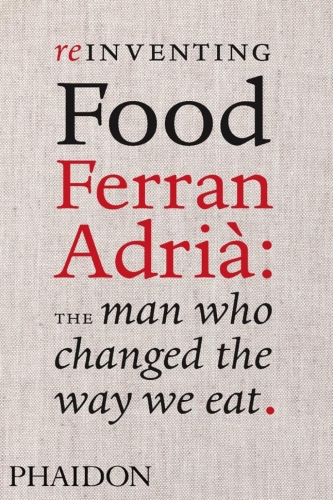
Cook it Raw documents the gatherings where some of the thinking behind the Nordic wave took shape, and Reinventing Food does the same for Ferran Adrià and elBulli. Both sit on the border with Restaurants & Chefs, where the restaurant books themselves are.
The neighbouring shelves under Food literature pick up where this one stops: the chef memoirs, the reporting from the restaurant industry and the guides.