





France
French cooking is not one national cuisine among others in this department. It is the vocabulary. Stock, liaison, sautéing, braising, mirepoix, julienne. The words appear on menus in Tokyo and Lima for roughly the same reason musical notation is Italian, which is that somebody wrote the system down first and everyone else took over the notes.
The foundation is stock and the five mother sauces: béchamel, velouté, espagnole, tomato and hollandaise. A couple of hundred others come out of them by addition, and that is the entire point of learning them. They are not five recipes but five starting points.
Underneath sits a country kitchen that has nothing to do with restaurants. Cassoulet, blanquette, daube, coq au vin, confit, rillettes. Slow food from cheap cuts, the exact opposite of the palace kitchen, and in practice what gets cooked in French homes.
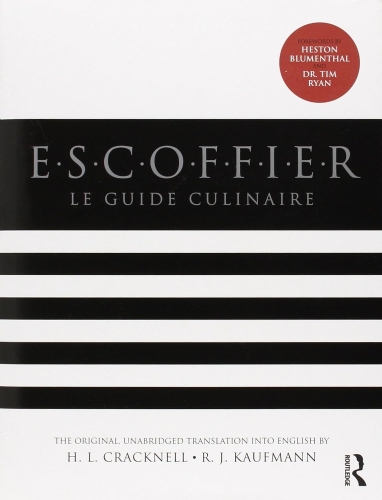
The department holds three separate projects that are easily confused with one another. The first is codification. Escoffier: Le Guide Culinaire, from 1903, gathers more than five thousand recipes and preparations and is still a textbook in culinary schools. Escoffier did not write it alone but together with Philéas Gilbert, Émile Fétu and several others. The brigade system, the division of labour in restaurant kitchens still in use everywhere, is also his, and it comes out of his kitchens at the Savoy and the Ritz.
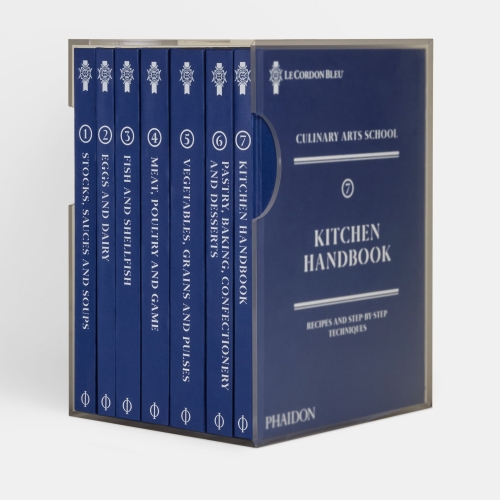
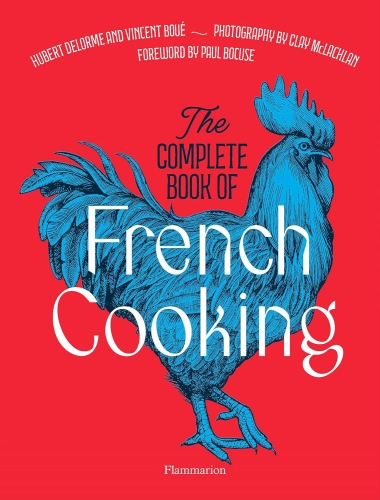
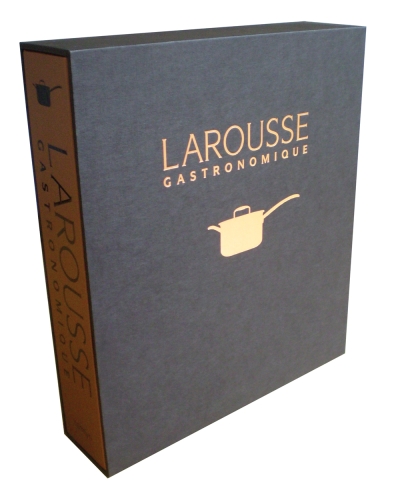
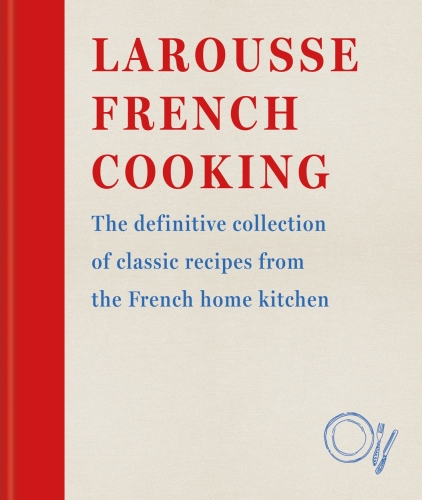
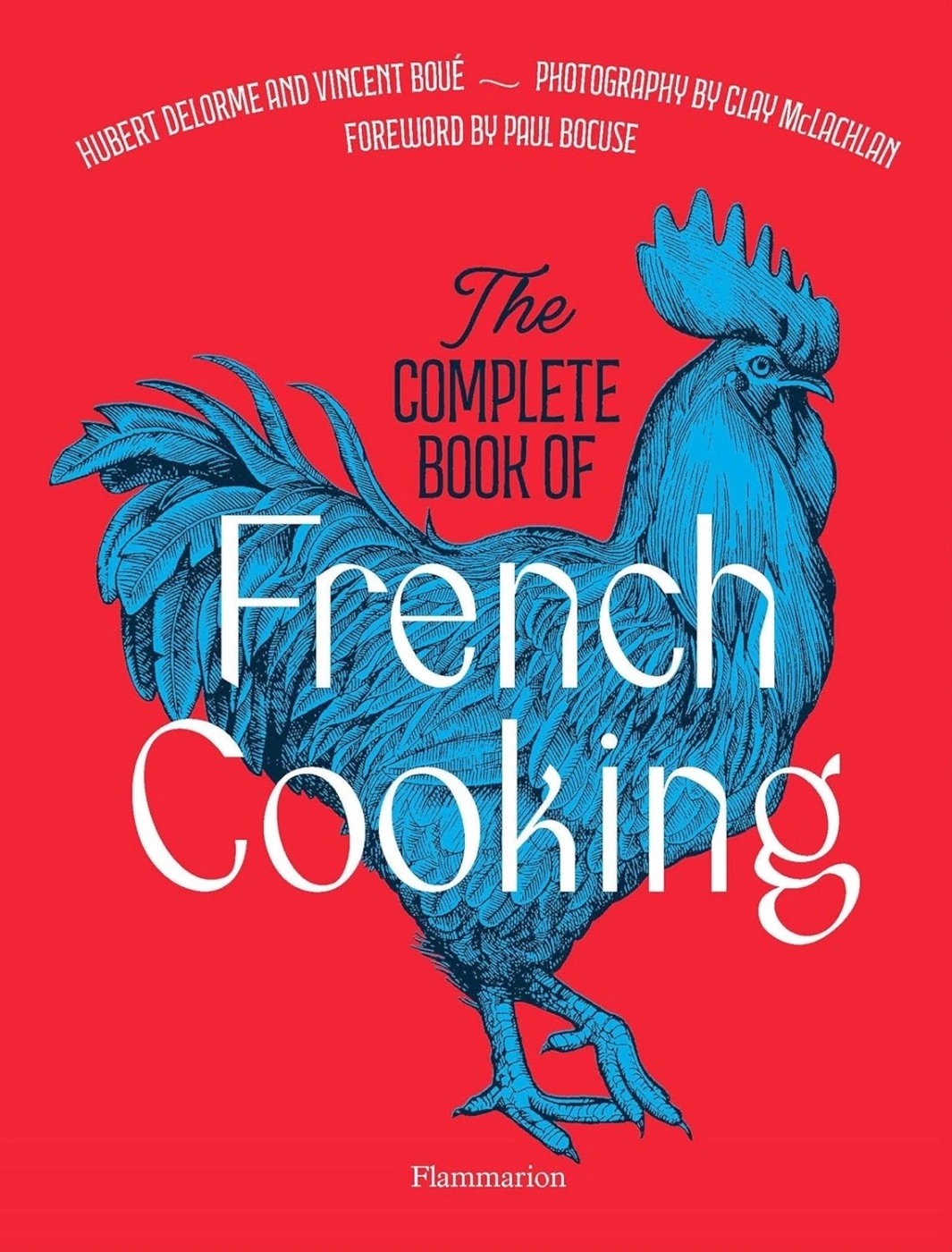
New Larousse Gastronomique does the same work as a reference book. You look up a term and learn what it means, where it comes from and how things connect to each other. Larousse French Cooking is the recipe side of the same house, and The Complete Book of French Cooking by Vincent Boué and Hubert Delorme works through the techniques methodically. Together they make up the reference shelf for everything French.
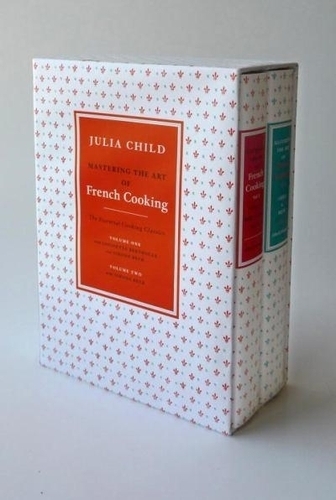
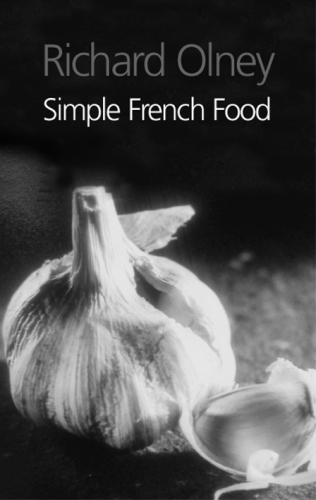
The second project is the translation into the home, and it was carried out twice in opposite ways. Mastering the Art of French Cooking appeared in 1961, written by Julia Child together with Simone Beck and Louisette Bertholle, and it works because it never skips a step. Simple French Food from 1974 does the reverse. Richard Olney assumes you have judgement and writes about season, wine and patience instead of procedure. One teaches you to execute, the other to assess.
The handling itself, though, is in neither of them but with Jacques Pépin. Complete Techniques shows the grips picture by picture, how the knife is held and how a chicken is broken down, and it sits under Learn to Cook rather than here. That in itself says something about French technique having stopped being French a long time ago and become general.
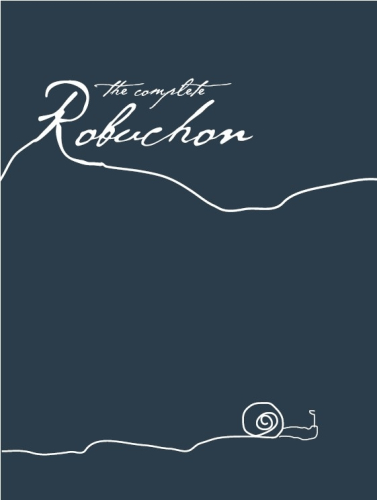
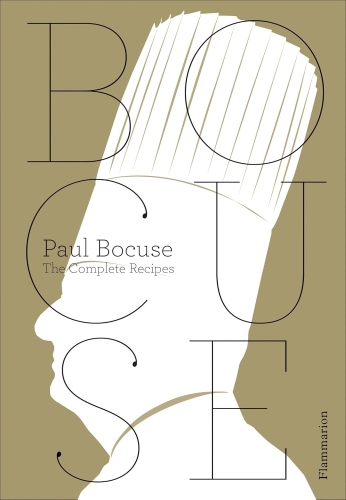
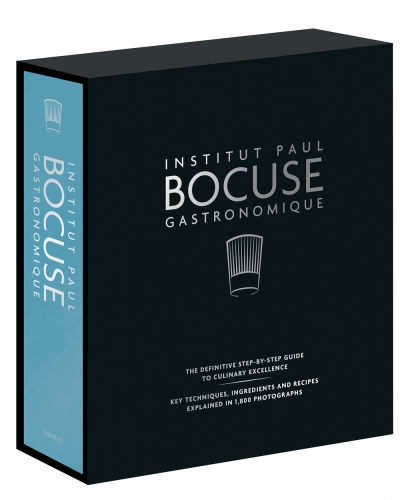
The third project is the monuments. In 1990 Gault&Millau named three chefs cook of the century: Paul Bocuse, Frédy Girardet and Joël Robuchon. Two of them are on this shelf. Paul Bocuse: The Complete Recipes is the Lyon kitchen in full, and Institut Paul Bocuse Gastronomique is the school's own run through the fundamentals. The Complete Robuchon collects eight hundred recipes by a cook whose most copied dish is mashed potato.
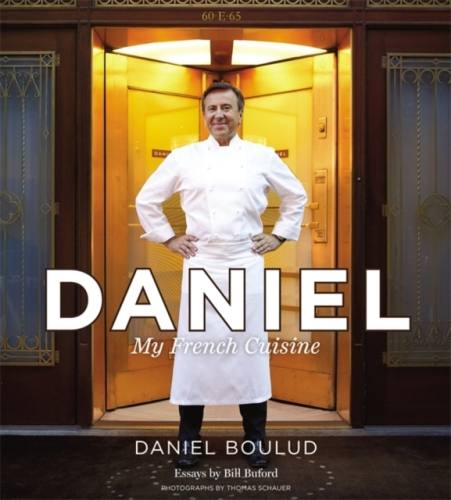
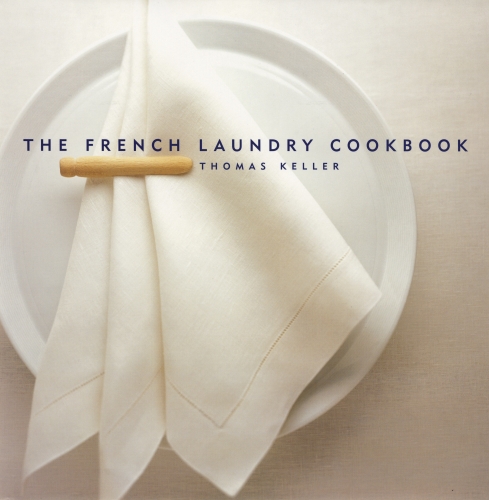
Daniel: My French Cuisine is Daniel Boulud's New York, French cooking that emigrated and became something of its own. The French Laundry Cookbook belongs here for the same reason, even though the restaurant is in Yountville, California. Thomas Keller runs a French argument on American ground, and the book is more uncompromising about technique than most of what has been written in France in the last fifty years. Both also sit under Restaurants & Chefs.
Two parts of French cooking sit elsewhere in the department, for practical reasons. Charcuterie, meaning rillettes and terrines and sausage, is under meat and charcuterie. Pâtisserie, a science of its own with its own measures and its own refrigeration, is under patisserie, where Cédric Grolet and the Larousse baking book are among the titles.
French cooking has two lives, then. One in the palace kitchen, where the system was written down, and one in the country kitchen, where it never needed sheet music. Cuisines & Cultures shows where the other kitchens are, and food history and culture explains how one country's cooking came to be everyone else's grammar.