
 30 DAYS OPEN PURCHASE
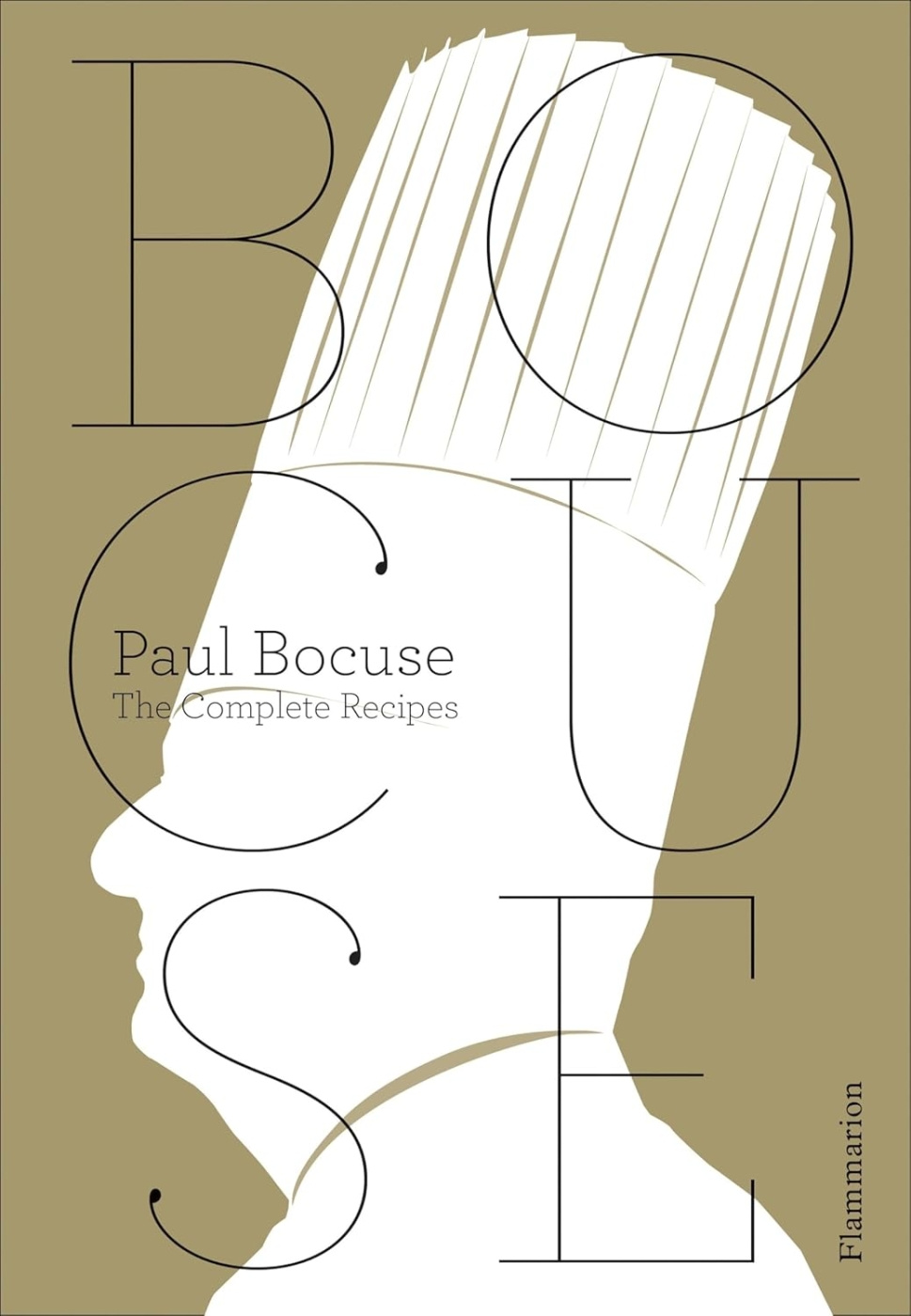
Paul Bocuse was born in 1926 in Collonges-au-Mont-d'Or outside Lyon, into a family of cooks whose history can be traced back to the eighteenth century. He learnt the trade under Eugénie Brazier, the first woman to receive three Michelin stars, and later under Fernand Point at La Pyramide.
In 1965 his own restaurant received three stars. It kept them for 55 years, the longest unbroken run in the history of the Michelin Guide.
To say that he invented the celebrity chef is no exaggeration. He put his name and face on the façade, appeared on television, opened brasseries, licensed his brand and travelled to Japan at a time when no French three-star chef did such things. In 1987 he founded the Bocuse d'Or, which remains the profession's most important competition.
He became the public face of nouvelle cuisine without really belonging to the movement. His own cooking was Lyonnaise and traditional, and he was openly sceptical of much of what was being done in his name.
That is the food in this book. 500 recipes from the French home kitchen, the foundation beneath everything else. It also includes the truffle soup he made for President Giscard d'Estaing in 1975 and which is still served at the restaurant. Bocuse died in 2018.
Format: Hardback
Number of pages: 784
Language: English
First published: 2012
The Kitchen Lab Selection
Paul Bocuse is French cuisine in the second half of the twentieth century. Lyon’s covered market bears his name, the Culinary Institute of America named him Chef of the Century, and the competition every young chef in the world dreams of winning is named after him. No one has put his name to so much while remaining so uncompromisingly himself: a restaurateur from Lyon who cooked food from Lyon and let the rest of the world come to him.
His legacy cannot be summed up in a single book, and the books that gave him his widest reach at the height of his career are no longer in print. Even so, it is impossible not to count him among our selections, and a collection of recipes for the home says something about him that no lavish coffee-table book can. He had every opportunity to leave behind a monument. What he left behind in book form is a kitchen, one you can actually cook from.
Bocuse belongs in every cookbook collection that takes itself seriously. This is the book in which he himself decided what was worth preserving.