







 30 DAYS OPEN PURCHASE
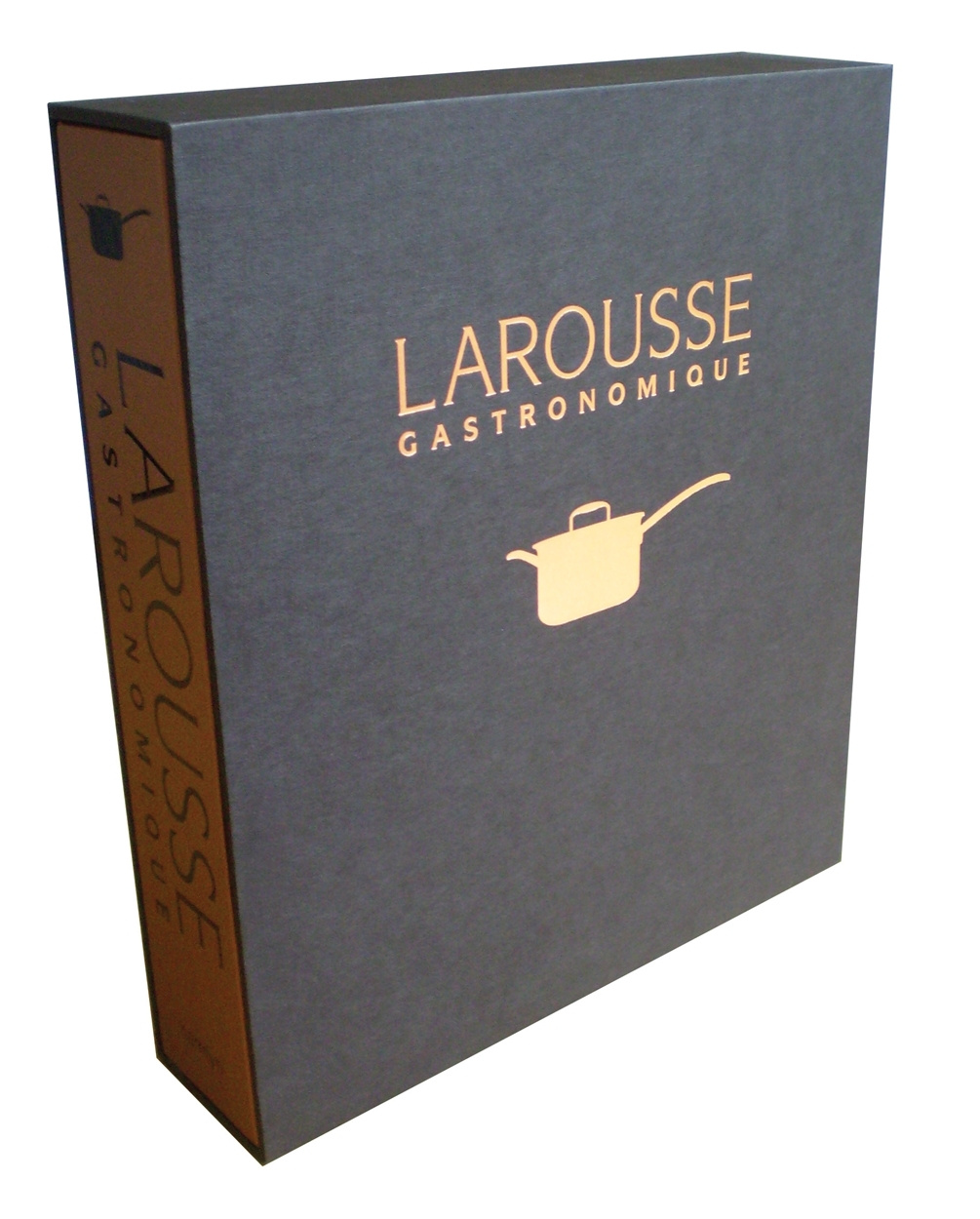
Larousse is France's great dictionary publisher, and in 1938 it published an encyclopaedia of gastronomy conceived in the same spirit as its language dictionaries. The editor was chef Prosper Montagné and the foreword was written by Auguste Escoffier.
There are around 4,000 entries. Ingredients, techniques, dishes, regions, equipment, wines and biographies of chefs, ranging from a single line to several pages. The book is French in its worldview, which is not a shortcoming but the entire point. The professional language of the kitchen is French, and this is where its terms are defined.
The recipes are too brief to cook from and that does not matter, because you do not buy Larousse Gastronomique to cook from it but to look things up and because it deserves to be on the shelf. Both are perfectly legitimate reasons.
This English edition dates from 2009 and had Joël Robuchon as chairman of its editorial committee. The book has remained continuously in print since the 1930s, something very few cookbooks can claim.
Format: Hardback
Number of pages: 1216
Language: English
First published: 1938, this edition 2009
The Kitchen Lab Selection
French cooking is not simply one national cuisine among others in this context, it is the infrastructure beneath the rest. <em>Larousse Gastronomique</em> is the book that keeps that infrastructure together in one place. While Escoffier tells you how the work should be done, Larousse explains what the words mean. It is the book the rest of the shelf assumes you already own. When a chef mentions a garnish in passing or borrows a French term without bothering to explain it, this is where you find out what they mean. You can look up béarnaise and emerge twenty minutes later with a firm opinion on Béarn, Henry IV and why French sauces are named after places. That is not a side effect. It is the entire reason for having a reference book on paper rather than a search box.