





Italy
Italian cooking did not exist until somebody wrote it down, and the man who did was a silk merchant from Forlimpopoli, in 1891.
What existed instead were twenty kitchens, and they were older than the country. What people ate was decided by what grew within walking distance and what could be kept through the winter, and the differences were greater than between many countries. Butter in the north and olive oil in the south. Rice in Piedmont, maize in the Veneto, dried pasta further down. But two things hold across all of it. An Italian dish rarely consists of more than four or five ingredients, and it is their quality that decides the result, not what the cook does with them.
That makes Italian cooking the opposite of the French project. French cooking is built on transformation: the stock, the sauce, the technique that lifts an ingredient into something it was not. Italian cooking is built on selection and restraint. The work lies in the buying and in leaving things alone. It is also why Italian recipes are short, and why they are harder than they look. There is nothing to hide behind when a dish is four things.
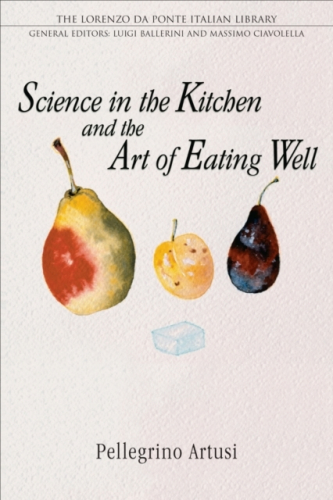
When Pellegrino Artusi published La scienza in cucina e l'arte di mangiar bene, Italy had existed as a unified country for only thirty years but still consisted in practice of regions that barely understood each other's dialects and certainly not each other's food. There was Tuscan cooking, Neapolitan and Piedmontese. Italian cooking did not exist. Artusi was a cloth merchant, not a cook. He collected recipes from across the peninsula, wrote them in Tuscan-based Italian, often as running prose with comments and digressions, and published the book at his own expense. He did not invent the dishes, but in a sense he invented the Italian cookbook.
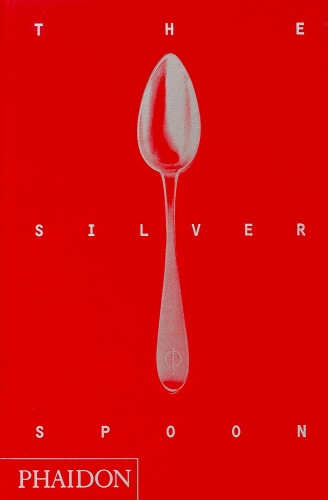
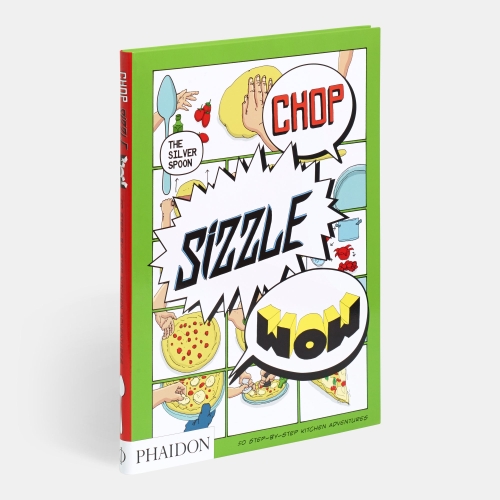
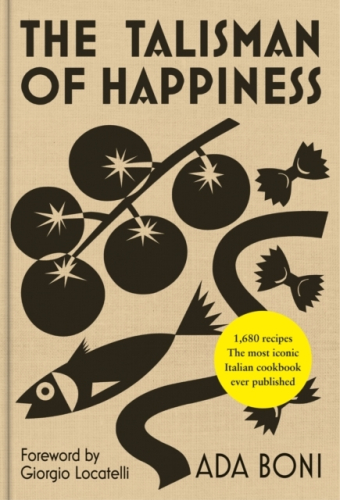
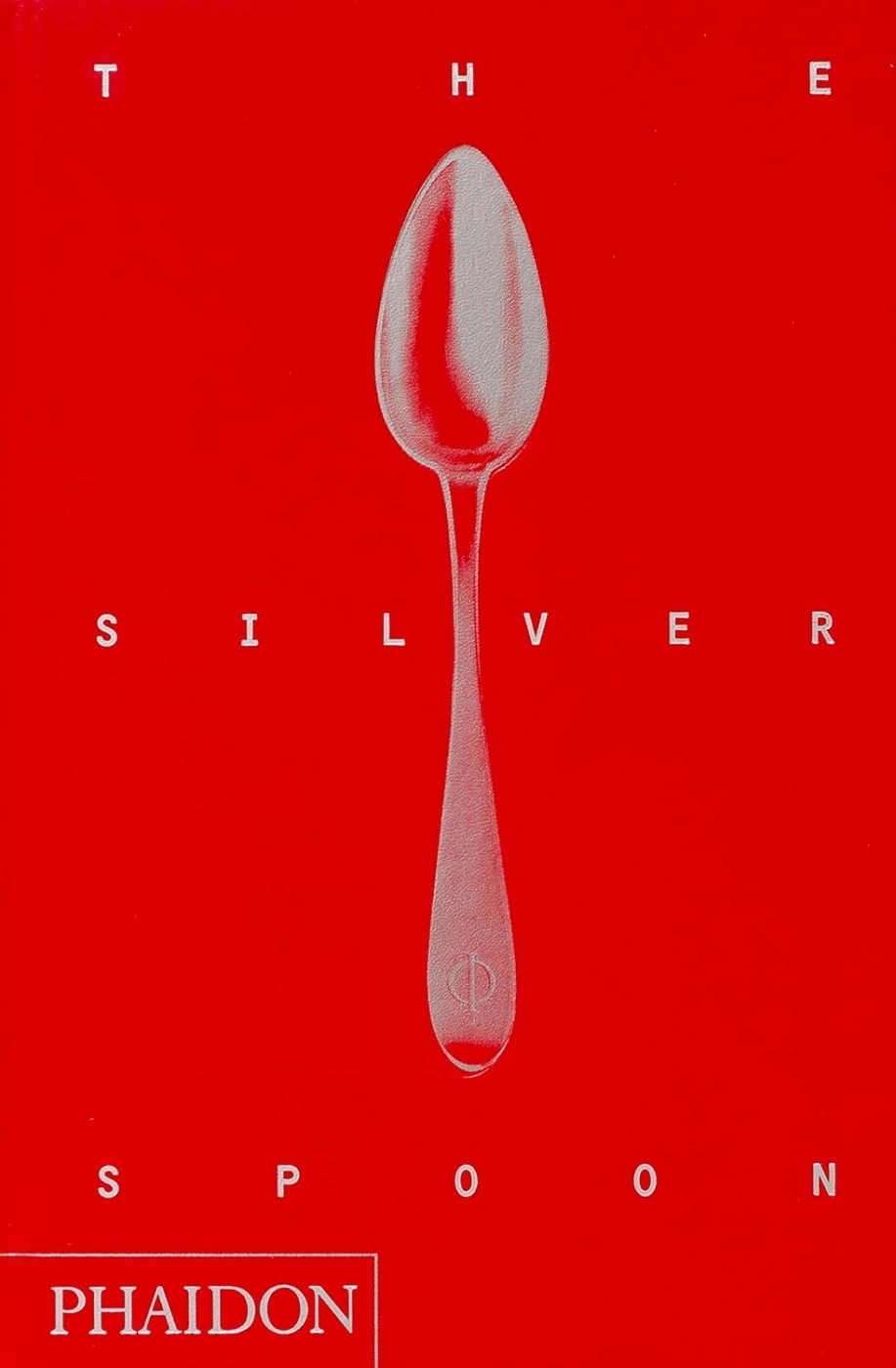
It took a generation before there was any agreement on a single Italian cuisine. Ada Boni ran the magazine Preziosa in Rome and gathered her work in 1929 into Il Talismano della Felicità, 1,680 recipes that became the obvious wedding present for generations afterwards. Where Artusi's book reads as somewhat absent-minded to a modern reader, Boni's set out recipes the way we recognise a cookbook today. In 1950 came Il Cucchiaio d'Argento from Editoriale Domus in Milan, the same publisher behind the architecture magazine Domus. It has no author; the recipes were collected from home cooks across the country, some two thousand of them across fifteen hundred pages, and it covers the regions in a way no single person could have managed. That the reference work has no author is not a gap but a consequence: there is no single authority to appeal to in a cuisine that was never one. It is terse, closer to a catalogue of Italian food culture, and it has been reissued in updated editions ever since. The Silver Spoon exists in several special editions on individual subjects, and the same house is behind Chop, Sizzle, Wow, an Italian cookbook in comic form.
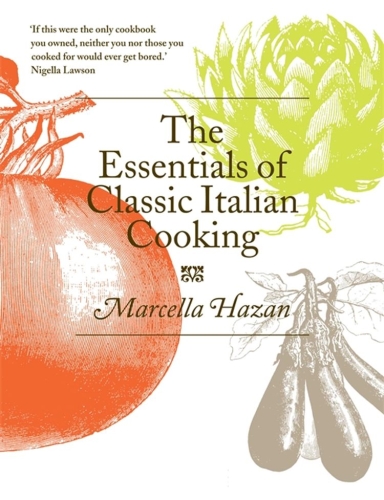
The next step for Italian cooking was an exported canon. Marcella Hazan had a doctorate in natural sciences and biology and had never cooked when she married and moved to New York in 1955. She taught herself from Italian cookbooks and from the memory of her mother's kitchen in Emilia-Romagna. When a Chinese cookery course she had signed up for was cancelled in 1969, the rest of the group asked her to teach them Italian instead, and the year after that Craig Claiborne wrote about her in the New York Times. That is what led to The Essentials of Classic Italian Cooking, and the English-speaking world got direct access to what Italian food actually is, and an understanding of it, for the first time.
What she did was kill off the picture of Italian food as heavy, reeking of garlic and drowned in sauce. Her best-known recipe is also the simplest: tomatoes, an onion cut in half, five tablespoons of butter and salt, simmered for three quarters of an hour, after which the onion is thrown away. Nothing else. Three ingredients, one of which goes in the bin, and the result is one of the most-cooked sauces in the world. Fewer ingredients, longer time, less interference. If you want the whole position in a single sentence, it is there.
After that Italian gastronomy became a world affair, and alongside various films that spread the romantic picture of the Italian kitchen, two parallel tracks appeared.
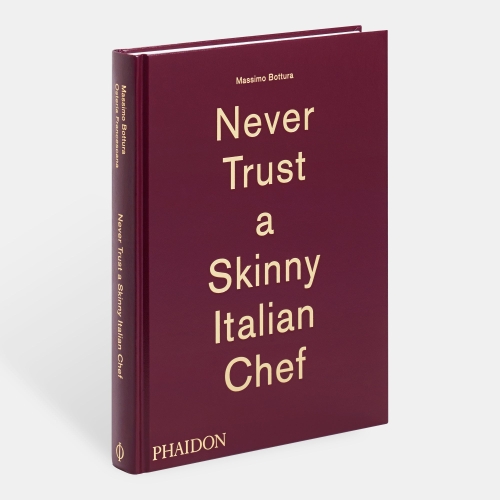
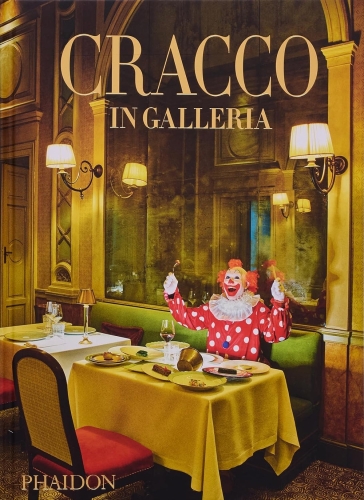
One is a domestic development in which chefs have either refined the tradition into fine dining of the highest precision or, like Massimo Bottura, broken with the strict traditions and the culture of honour that has surrounded food in Italy. Bottura opened Osteria Francescana in Modena in 1995 and took it to three stars and twice to first place on the list of the world's best restaurants, with signature dishes such as parmigiano reggiano at five ages and a lemon tart dropped on the floor and served broken on purpose. Although he has been entirely disrespectful of the rules in an ultra-conservative context, he has managed to win respect from the inside. It is documented in Never Trust a Skinny Italian Chef. In Milan, Carlo Cracco stands for the other position. He trained under Gualtiero Marchesi from 1986, has Enoteca Pinchiorri and three years in France behind him, and has run his restaurant in the Galleria Vittorio Emanuele II since 2018. Nothing there is provocative. Insalata russa and timballo are brought into a contemporary form instead, without losing what they were.
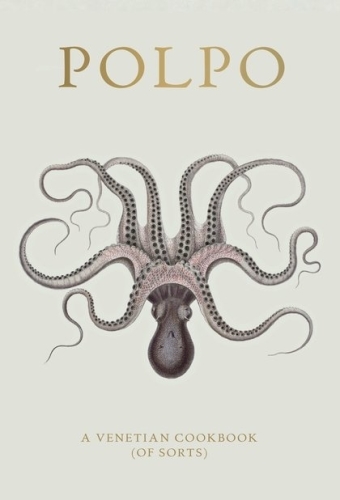
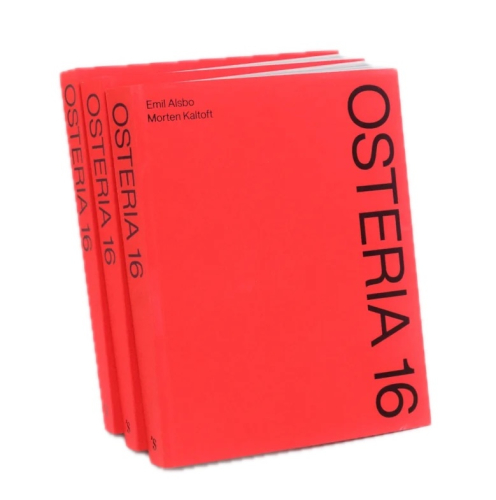
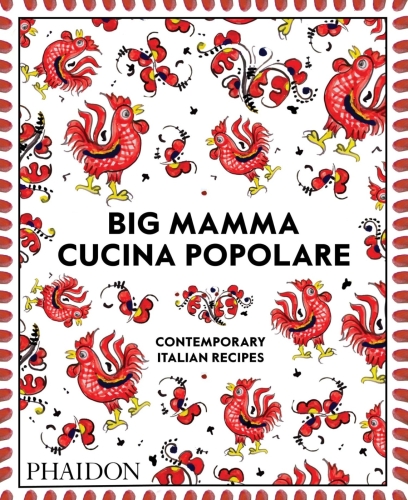
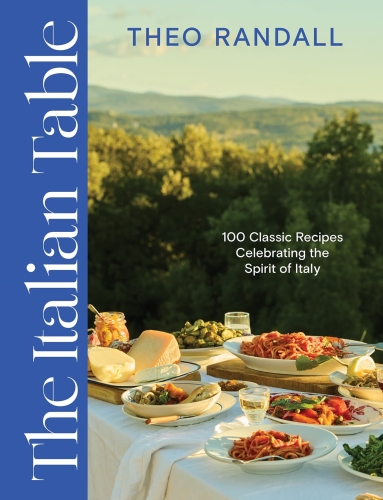
The other track is exported Italian cooking, where the idea has been to take away rather than add. It runs clearly through London. Ruth Rogers and Rose Gray opened River Cafe in 1987 in a warehouse on the Thames and then travelled Italy region by region to bring back the very best olive oil, parmesan and anchovies they could find, none of which could be bought in England. That the journey became necessary says everything about what this cooking rests on: if you cannot buy the ingredient, there is no technique that saves the dish. Theo Randall arrived in 1989, spent a year with Alice Waters at Chez Panisse in Berkeley where the farm-to-table way of thinking marked him, came back and stayed fifteen years, ten of them as head chef. That line continues in Russell Norman's Polpo on a Soho back street, in Big Mamma's restaurants in Paris and London, and today we see it at places like Osteria 16 in Copenhagen. Few ingredients, handled properly. It was not a new idea. It was the Italian household principle moved into a restaurant and put on a menu.
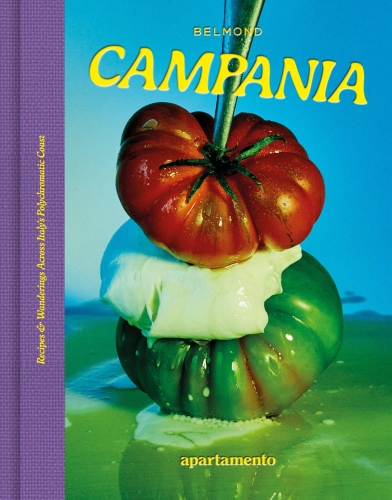
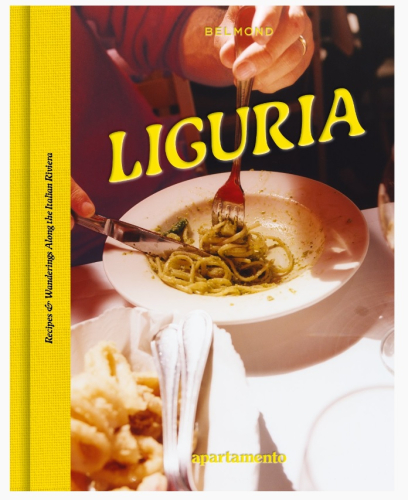
And so the circle closes. The books that remind us the national cuisine was always a construction laid over regions that managed perfectly well without it are not a footnote to the history; they are the original. Campania is Naples and the Amalfi coast, which is to say pizza, mozzarella di bufala and the San Marzano tomato. Liguria is the strip between the Alps and the sea where there is barely any arable land and the cooking was shaped by exactly that shortage, with oil from the small taggiasca olives and preboggion, a mixture of wild herbs gathered on the slopes that has no equivalent anywhere else. These are two kitchens that never needed Artusi to know what they were.
If you want to start learning to cook Italian food, start with Hazan. If you want the reference work on the shelf, choose The Silver Spoon. If you want to understand why everything looks the way it does and where it came from, choose Artusi. And if you want to see what was there before all of it, take Campania or Liguria.