







 30 DAYS OPEN PURCHASE
Kishu-Binchōtan - Exclusive Japanese charcoal for gastronomic precision
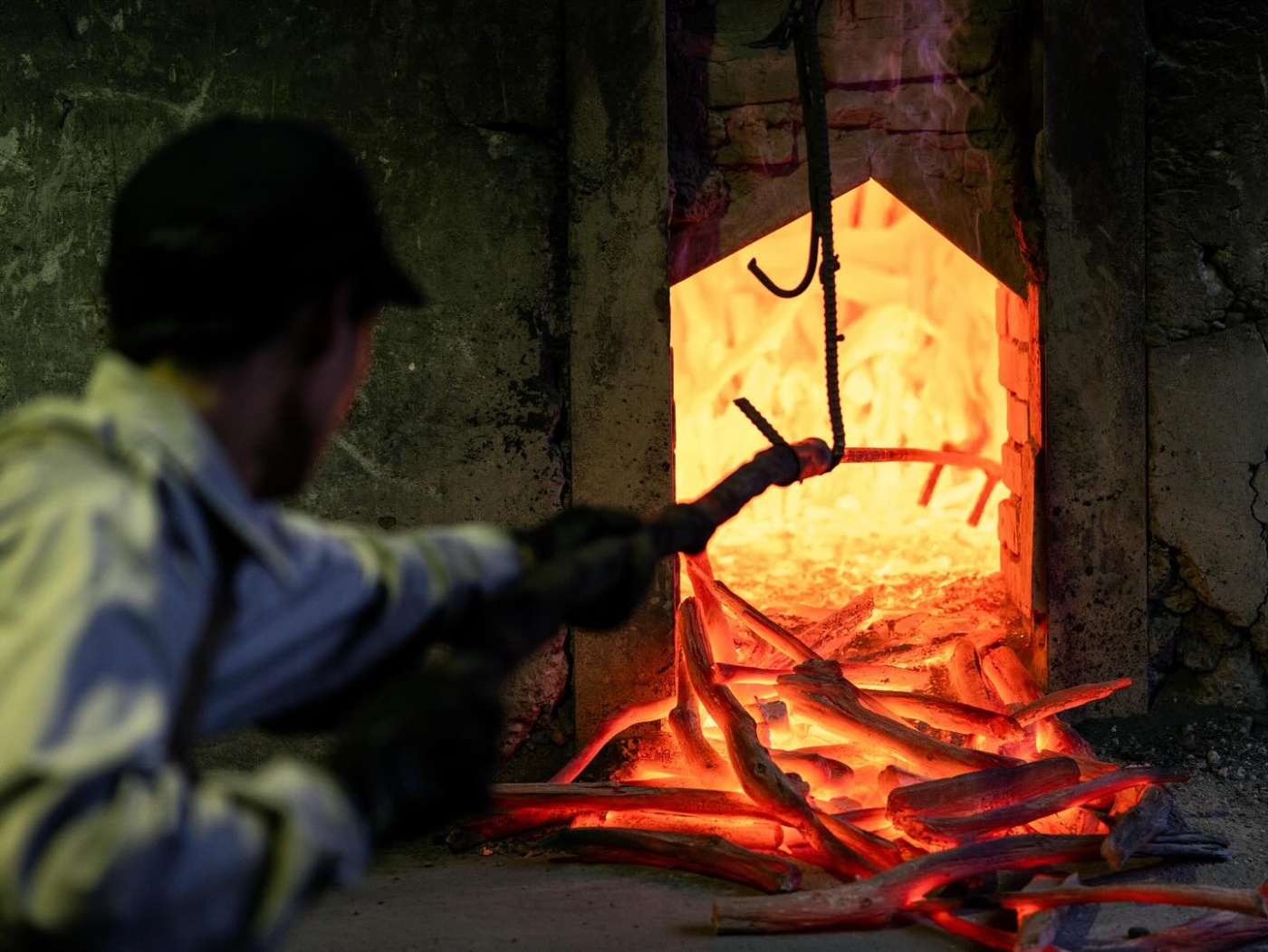
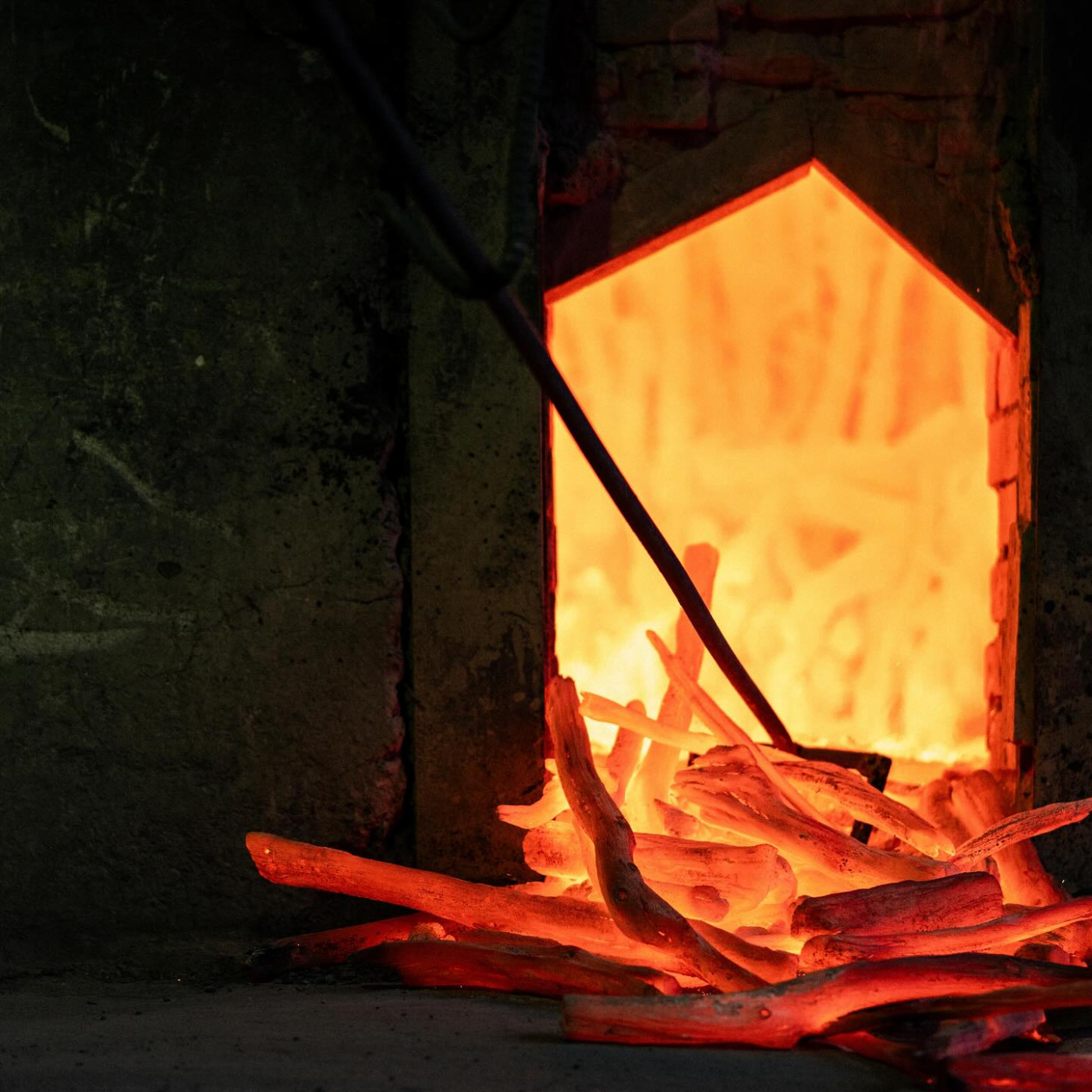
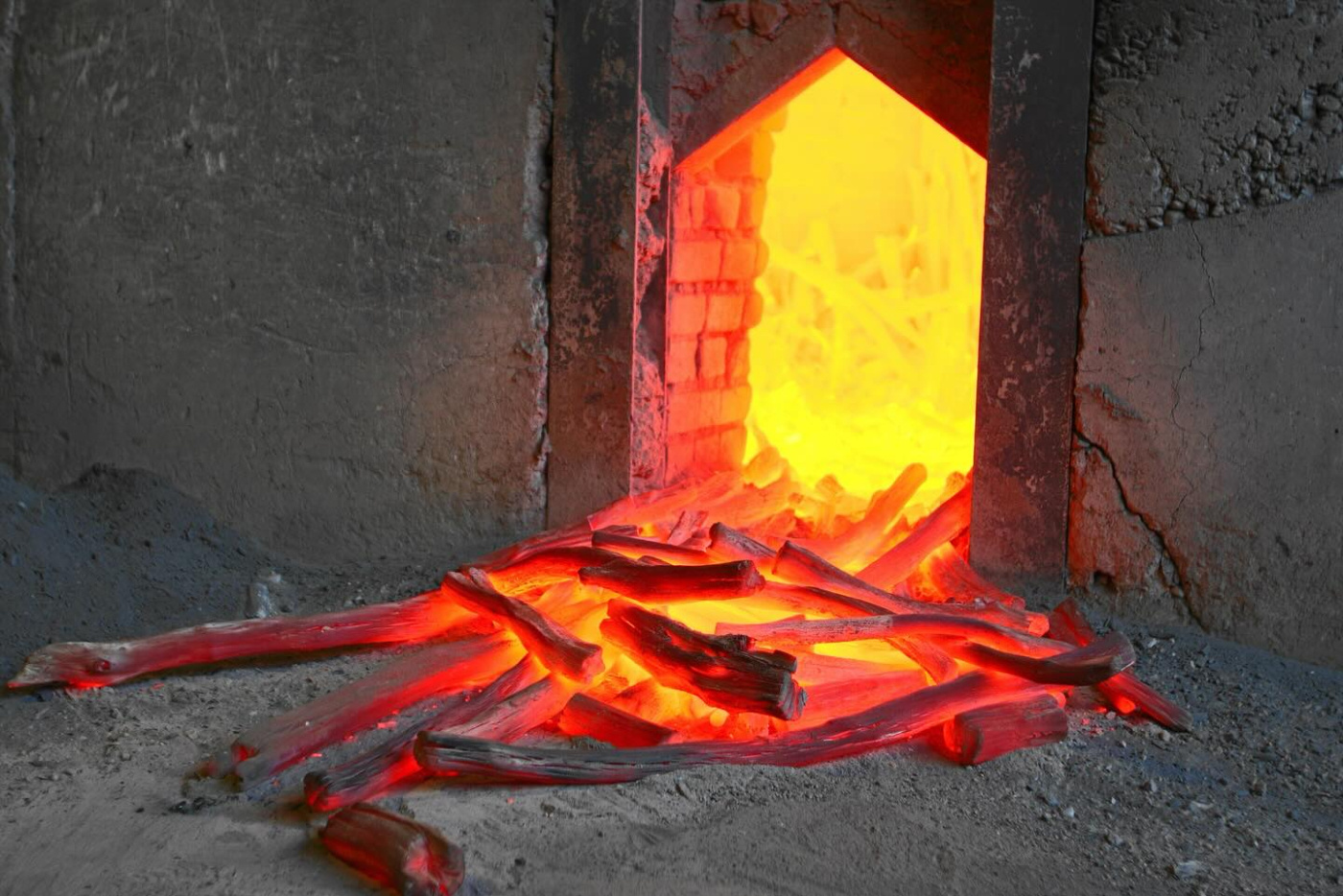
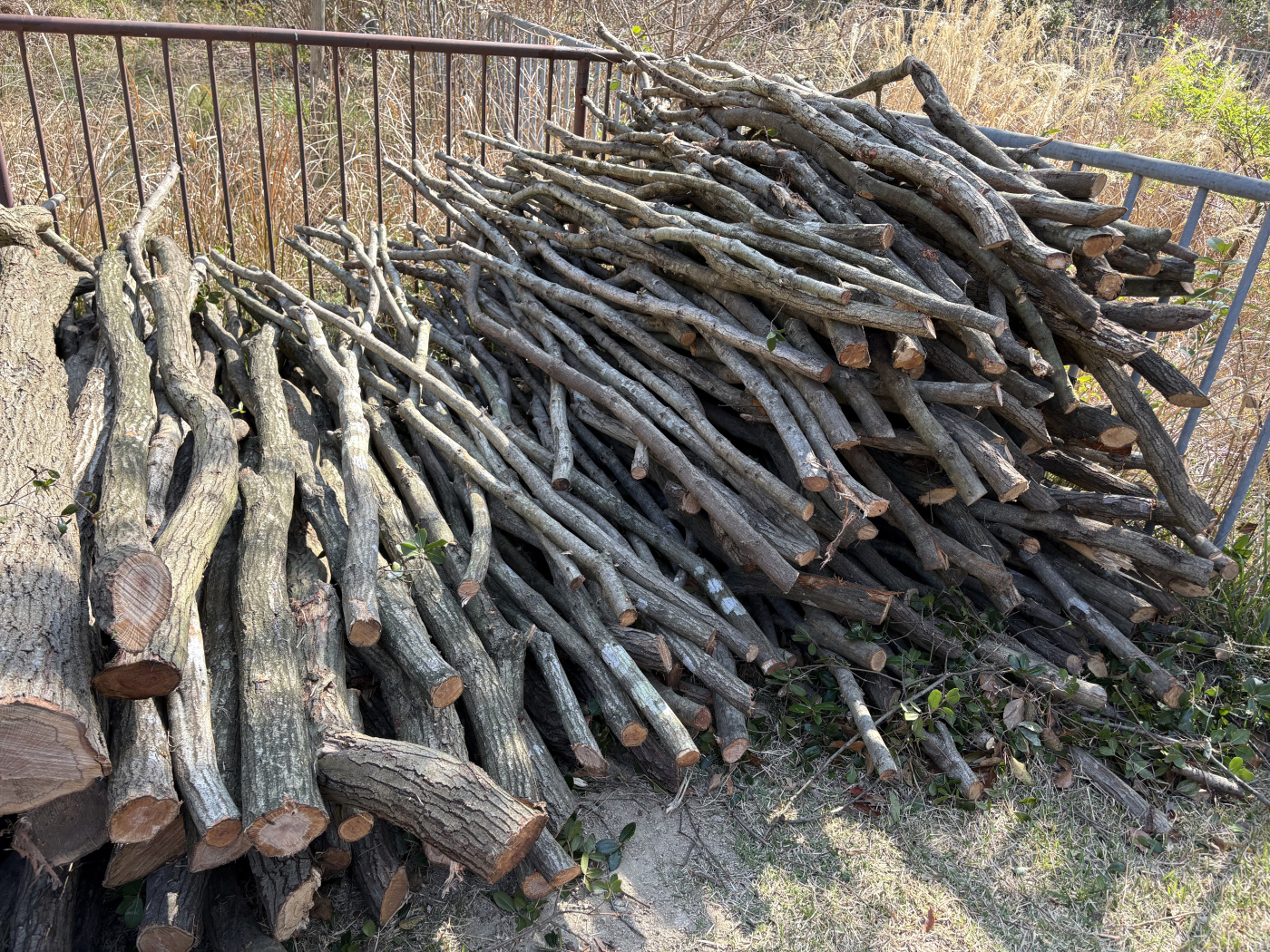
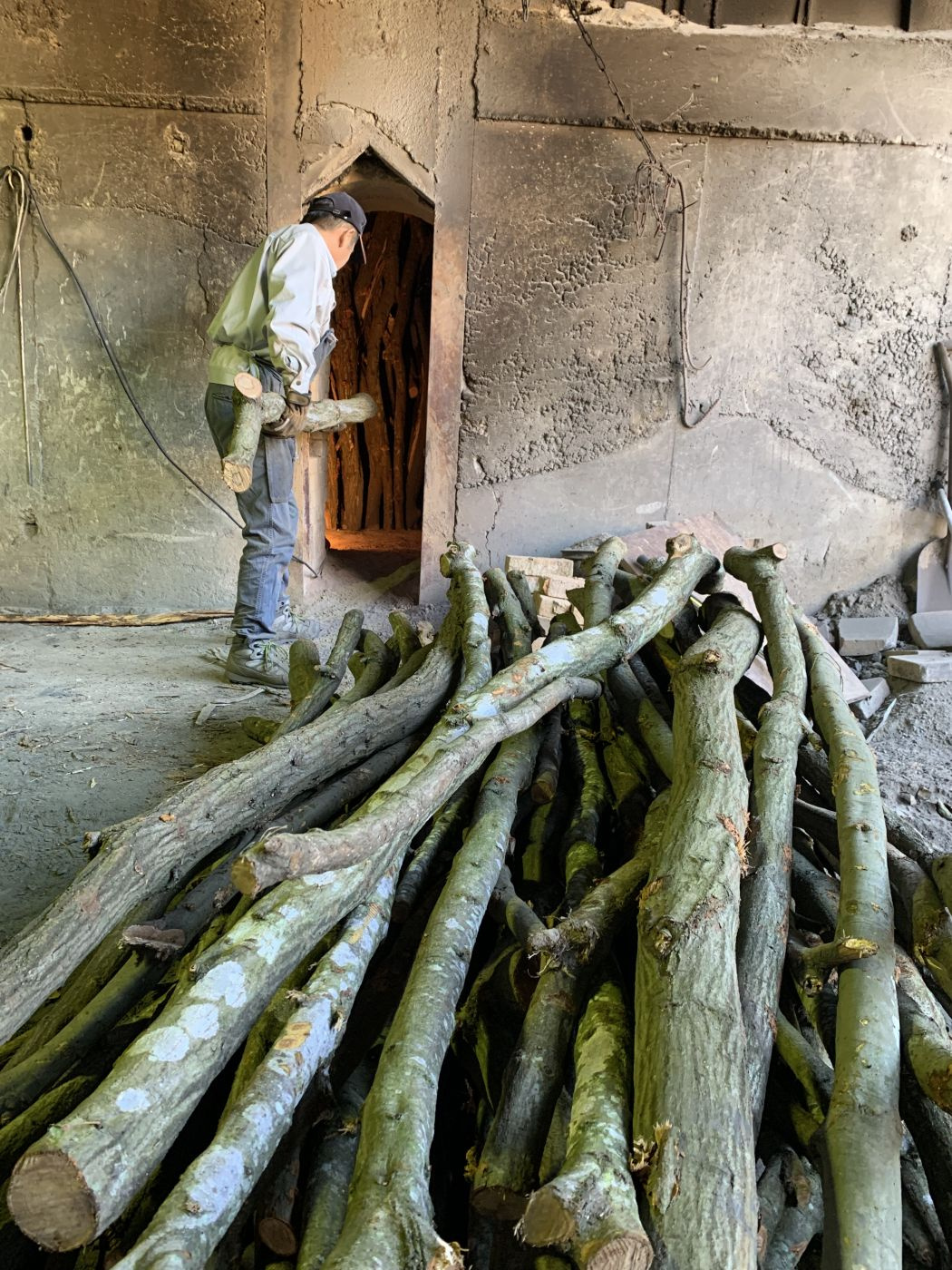
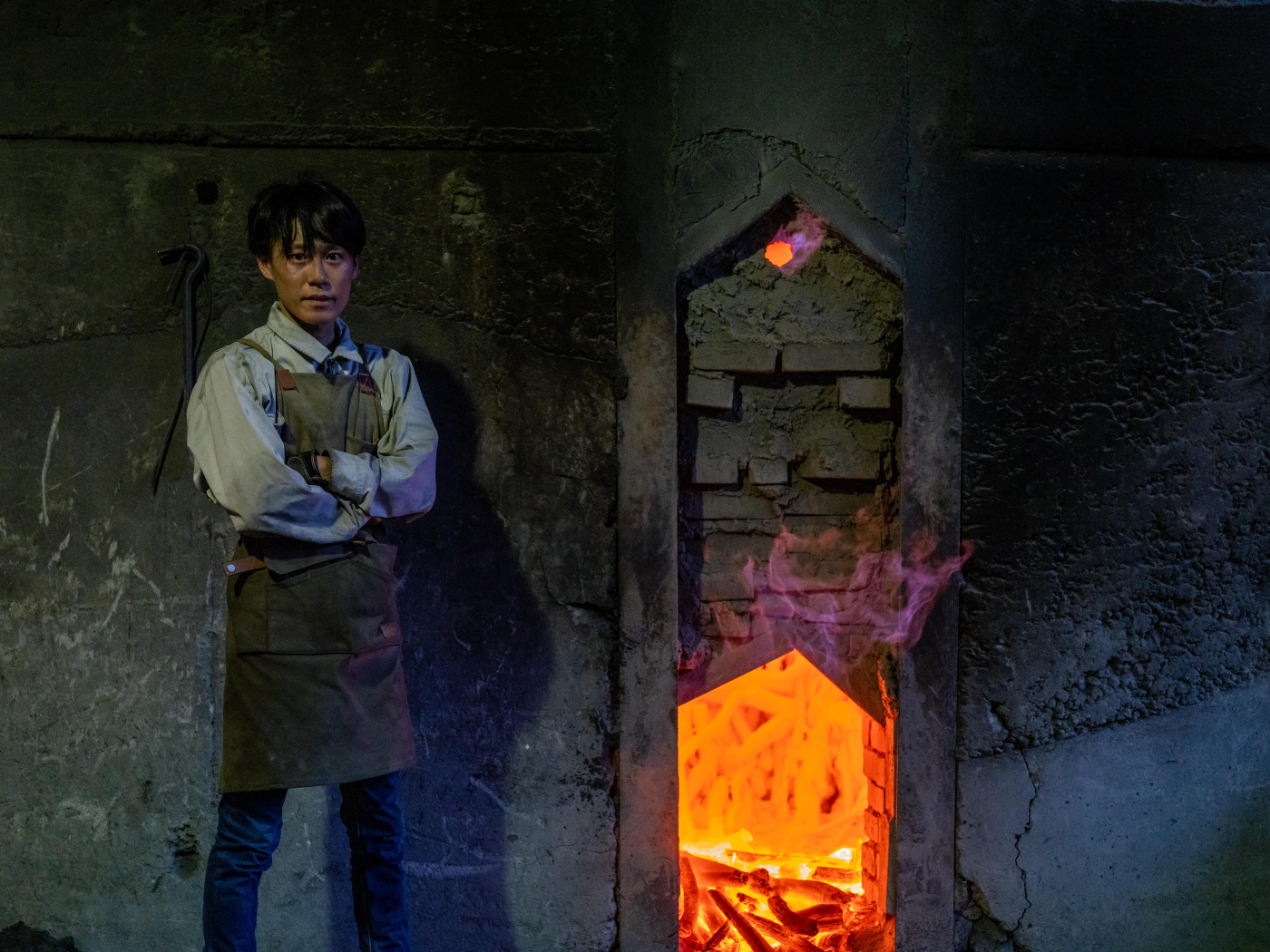
When the precision of cooking requires something more than just heat, it's time to change your charcoal class. This binchōtan isn't just charcoal - it's an artifact of Japanese charcoal craftsmanship, made in the over 300-year-old tradition of Wakayama, the heart of the Kishu region. The charcoal is made from ubamegashi oak (Quercus phillyraeoides), an extremely hard, dense wood that is burned under controlled conditions in wood-fired clay kilns for two weeks, and finished at over 1000 °C.
This isn't just any Kishu Binchōtan either, and it's Jo-Komaru grade. Forget everything you thought you knew about charcoal and follow along:
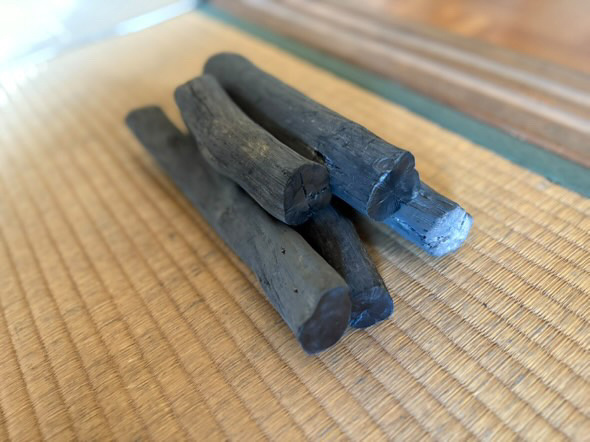
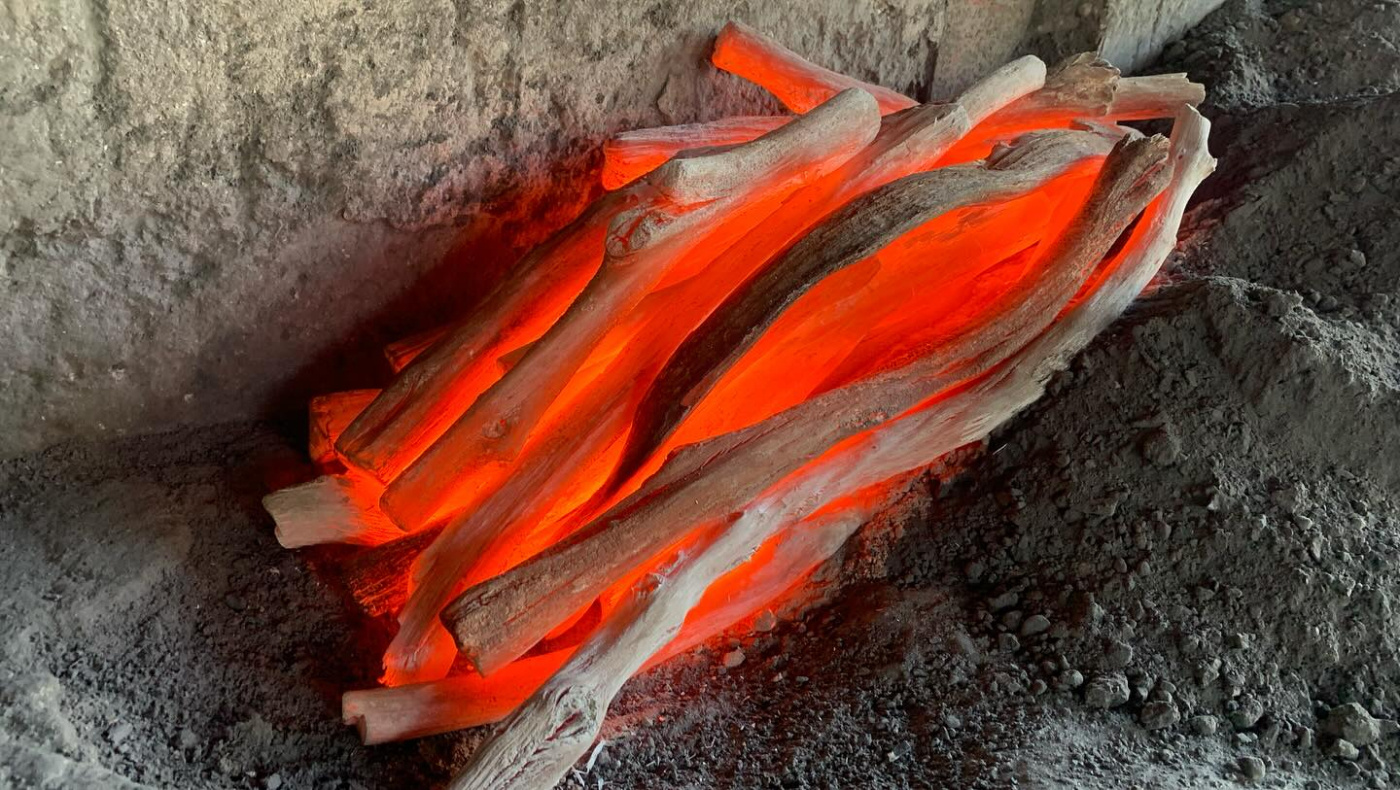
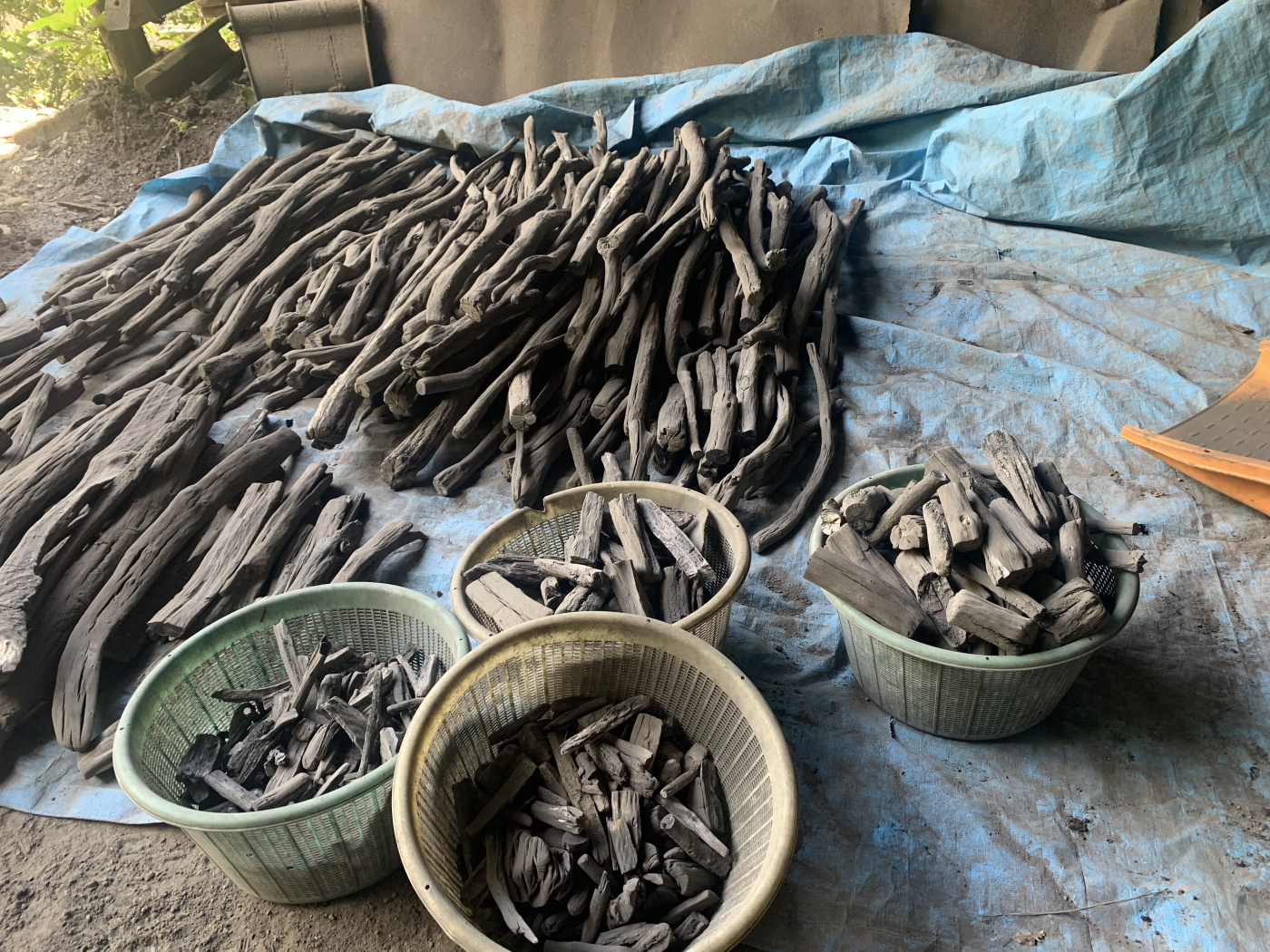
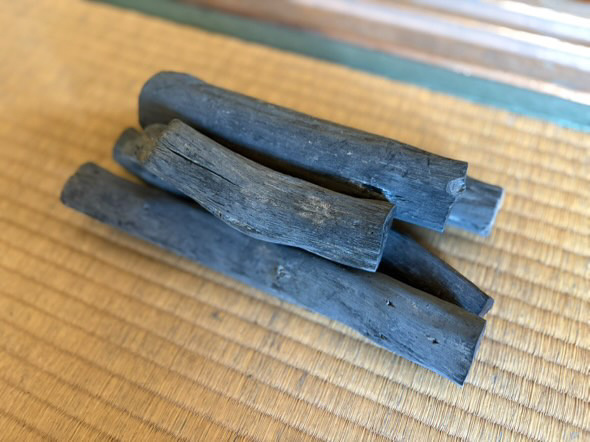
Jo-komaru (上小丸) is a combination of two words: Jo meaning high, superior, first-class and Komaru meaning small round. The word thus means roughly first-class small-round pieces in the sense that the pieces are only split straight to get an even size, never along the fibers and is thus a compact whole branch.
This is a size sort within a high-quality batch of Binchōtan. Compared to e.g. hanmaru which are split in the middle for easier use (but then lose both quality in heat and burn time).
Jo-komaru is not only the best - it is the charcoal equivalent of Grand Cru, wagyu A5, or Dom Pérignon anno 1996. This is charcoal for those who don't settle for glow, but demand perfection in pure, silvery gray form. Unlike hanmaru, which is often an uncured mix of different grades, or the porous and uneven arakizumi, Jo-komaru is surgically selected from the densest heartwood of ubamegashi oak fired with manic precision in the traditional kilns of Kisyu Sumikobo.
Each piece is like a distillate of Japanese craftsmanship: small, massive, silky in surface and utterly uncompromising in function. It lights up as if on command, holds heat like lava and glows so steadily that a Swiss watch would be jealous. No sparks. No odor. Just pure, unbroken heat for hours. It's the kind of charcoal that Tokyo yakitori masters line up to get their hands on - and that many chefs have only heard about in whispers behind closed kitchen doors.
Comparing Jo-komaru to simpler varieties like Southeast Asian "Binchōtan" is like comparing a Masamune blade to an aluminum barbecue tongs. It's love in every glowing atom, respect for the raw material, and a tribute to the fire itself. Welcome to the absolute pinnacle of fire art - this is Jo-komaru.
The result is a Binchōtan with an extremely long burn time, neutral aroma, and a surface so hard it clangs like metal on metal. All this in a beautiful silver-gray finish, created by the shock cooling that characterizes the Binchōtan's kiln outlet. Note that the Binchōtan requires more patience and thought in lighting, which means that it should be lit with a charcoal starter/chimney together with lighting cubes, hot air or with a gas lighter. The time to full glow can be about 35 minutes or more, depending on the equipment and amount of coal.
Technical properties
Material: Ubamegashi oak (Quercus phillyraeoides)
Burn time:Minimum to 4.5-6.5 hours in open table grill (even longer in ceramic grill and Konro)
Temperature: +800-1000 °C
Flavor:Nearly fragrance-free - ideal for sensitive foods
Ash: 3 %
Sound Test: Metallic clink (high density test)
Form:Jo-Komaru - whole logs about 3-6 cm in diameter
Manufacturing time: About 14 days
Ovening date: 2026-03-17
When to choose this binchōtan?
When you're grilling yakitori, robata or other delicate foods where you want the flavor to come from the food, not the smoke
When you want to be able to grill on the table, with precision temperatures without smoke
When you want to be able to extinguish, save and reuse the charcoal in multiple sessions - with no loss of quality
When you're building a menu where every detail - even the fuel - matters
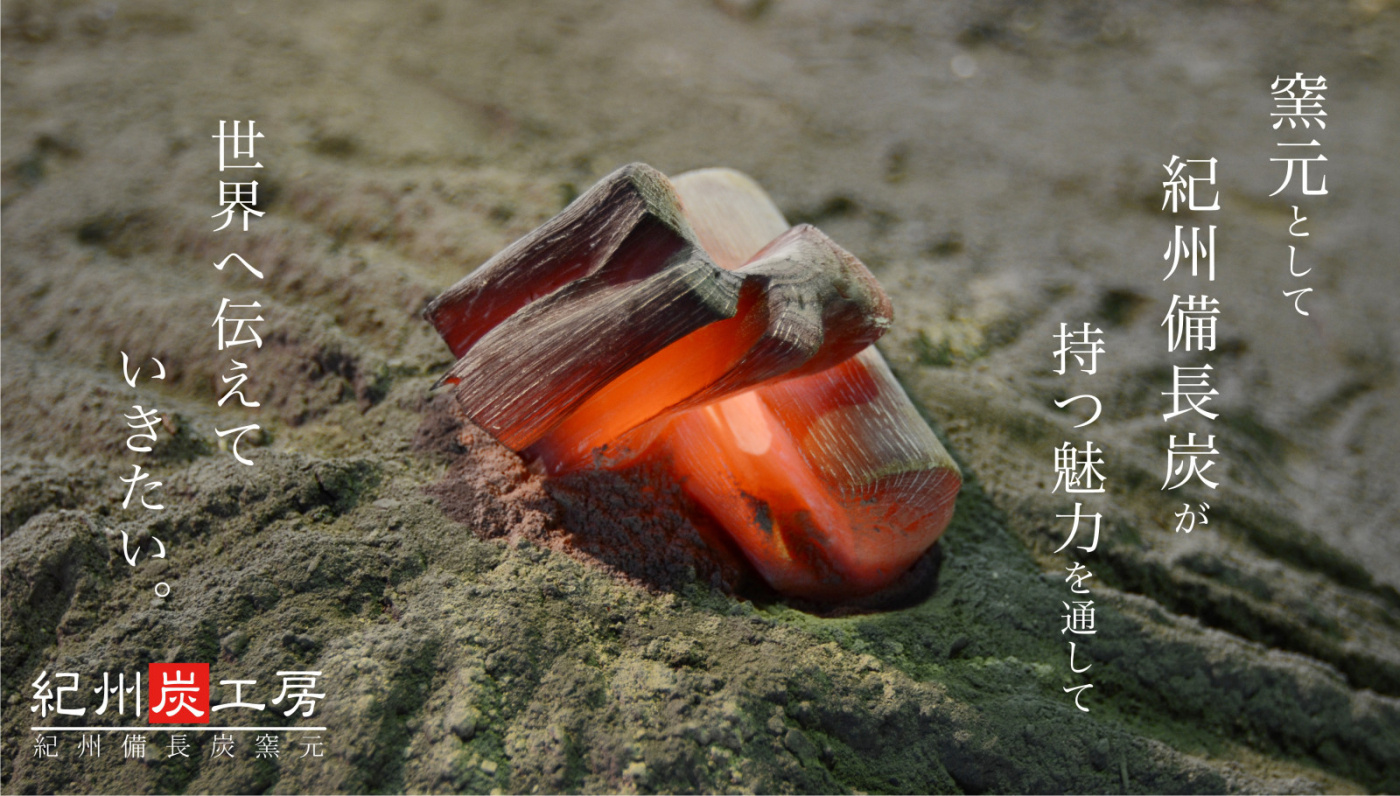
This charcoal is not mass-produced. It is hand-sorted and kiln-extracted by hand in Wakayama, by a small manufacturer (Kisyu Sumikobo) with artisan roots in the Edo period. This batch is made exclusively for The Kitchen Lab and packed in 1 kg packs that are sufficient for several rounds in konro, hibachi or other table-top grill.
Comparison Chart: Kishu-Binchōtan vs Briquettes & Premium Lumpwood
Trait | Kishu-Binchōtan | Restaurant briquettes | Premium Lumpwood |
Baking time (open grill) | At least 4,5-6.5 hours | At least 2.5-3 hours | At least 1,5-2 hours |
Temperature capacity | 900-1000 °C with stable and even heat | 500-600 °C i peak | 600-750 °C in peak |
Taste effects | Absolutely neutral | Mild smoke flavor | Clear smoke character |
Scent/smoke development | Extremely low - almost invisible glow | Low to medium | Medium to high |
Ascum | < 3 % (almost none) | 8-10 % | 5-8 % |
Raw Material | Ubamegashi-ek, Wakayama (Japan) | Ålumber (South America) | Hardwood mix (USA, Spain, Africa, Ukraine) |
Shape | Round hand split pieces, approx. 3-6 cm in diameter | Compact briquettes | Irregular wood pieces |
Fuel efficiency | Extremely high (high density, low loss) | Good, but requires quantity | Good, but quick consumption |
Use | Yakitori, robata, konro, fine dining | BBQ, food truck, bulk volume | Home grill, restaurant, all-round |
Exclusivity | Handmade, selected and imported batch | Bulk product | Premium but mass distributed |
Kishu-Binchōtan is the carbon you use when every degree, every second and every flavor molecule matters. It's built for precision, not just heat.
Compared to restaurant briquettes, it wins on temperature, flavor neutrality, and reusability - but requires more responsibility in lighting.
Compared to premium lumpwood, it's much cleaner, burns longer, quieter, and smoke-free - perfect for tabletop grills, restaurant settings, or minimalist charcoal grilling where the raw material should do the talking.