







 30 DAYS OPEN PURCHASE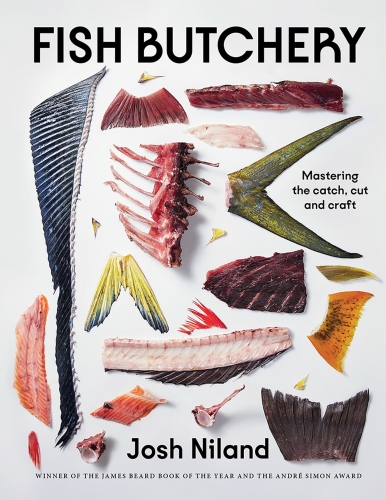
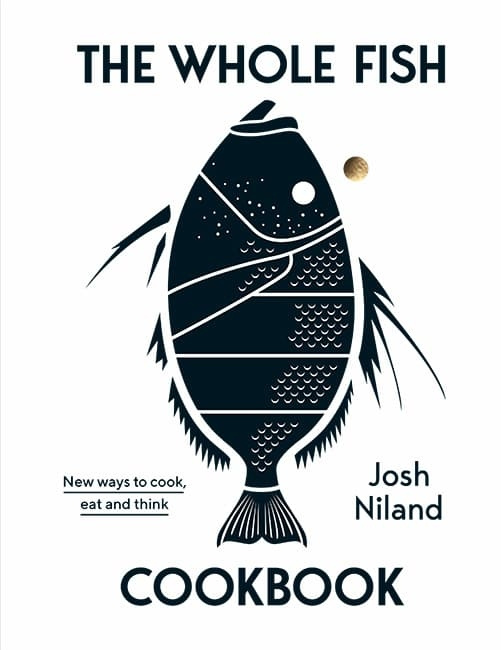
The Whole Fish Cookbook is the most influential book written about fish in decades, and it is built around one transformative idea. Treat fish like meat.
Josh Niland runs Saint Peter in Sydney and the adjoining Fish Butchery, meaning a fish butcher rather than a fish counter. His starting point is that fish in Western kitchens is handled in ways that would be considered absurd if it were beef. It is rinsed in water, which damages the skin and accelerates deterioration. It is cooked on the same day it is caught, even though nobody would serve meat that fresh. And roughly half of every fish is thrown away.
Niland does the opposite on every count. The fish is dry aged and matured, in some cases for weeks, giving it a firmer texture, deeper flavour and skin that can actually be made crisp. It never comes into contact with water. And almost nothing is discarded. Head, liver, roe, blood, swim bladder, eyes and bones all become food, and he is said to use more than 90 per cent of each fish compared with barely half in the wider industry.
From this grows an entire world of fish charcuterie. Blood pudding made from fish blood, tuna ham, fish mortadella. It sounds provocative and is, in practice, simply the same thrift that every coastal culture has always practised, reinvented with restaurant precision.
The book is to fish what Fergus Henderson's Nose to Tail Eating was to meat, and arrived almost exactly 20 years later. It won the André Simon Food Book Award and a James Beard Award, Ottolenghi has named it as one of his favourite books, and Jamie Oliver has called Niland one of the most impressive chefs of his generation.
The recipes span dozens of species and require no specialist equipment beyond patience and a sharp knife. The hardest part is stopping yourself from doing things the way you always have.
Number of pages: 256
Number of recipes: Over 60
Publisher: Hardie Grant
ISBN: 9781743795538
Language: English
First published: 2019
The Kitchen Lab Selection
The rule was that fish should be as fresh as possible, preferably caught that same day, and kept on ice. Niland hangs it instead and allows it to dry-age for days or weeks, and he never lets water anywhere near it. The book also covers the whole fish from first principles, keeping alive a craft that is disappearing from restaurant kitchens.