








 30 DAYS OPEN PURCHASE
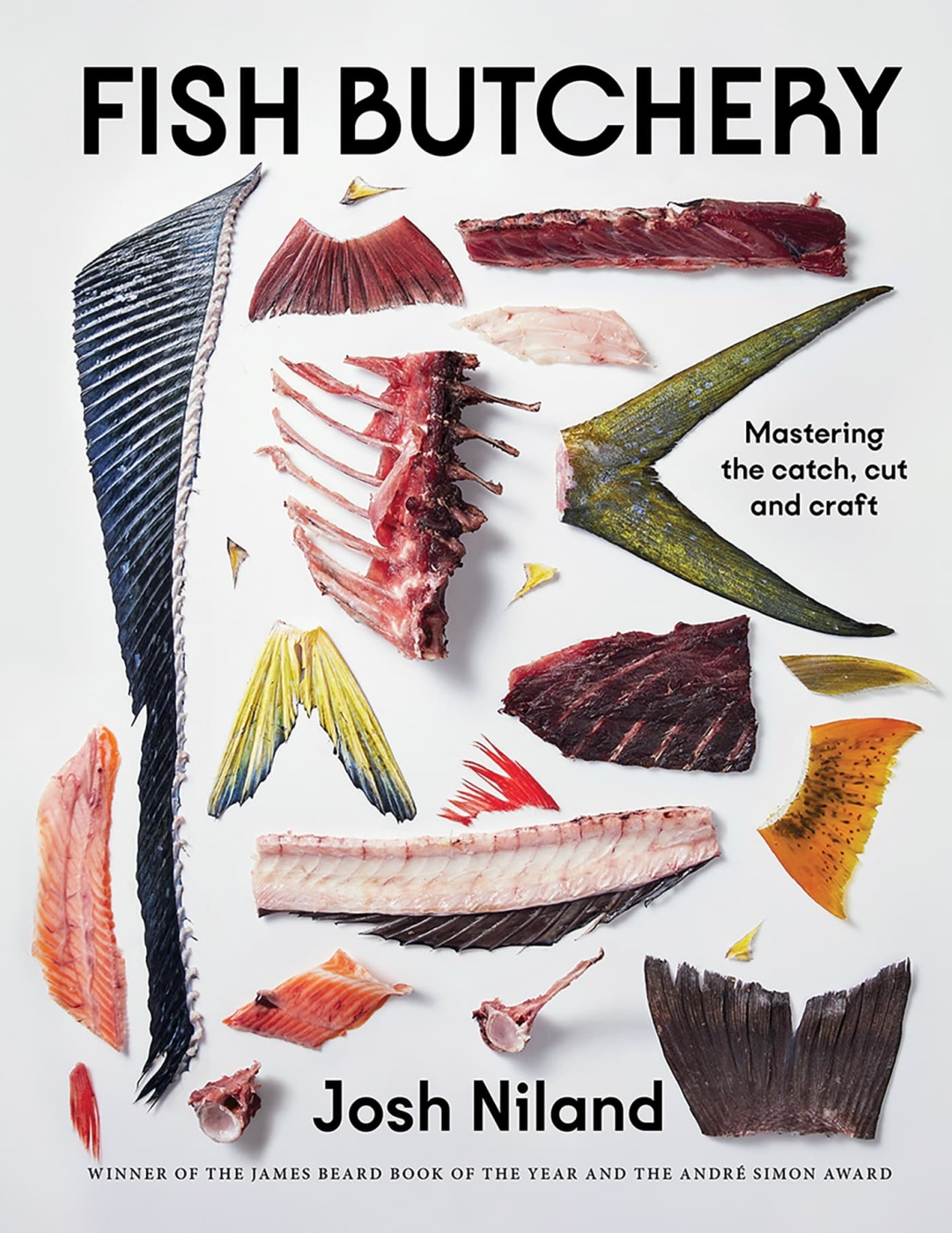
Fish Butchery treats fish as a butchery craft with the same seriousness as meat, something no one had previously done systematically.
Josh Niland runs Saint Peter in Sydney and, next door, Fish Butchery, meaning a fish butcher rather than a fish counter. The difference in the name is the whole point. Fish is handled in Western kitchens in ways that would be considered incomprehensible if the same treatment were applied to beef, and this book is a guide to how it should be done instead.
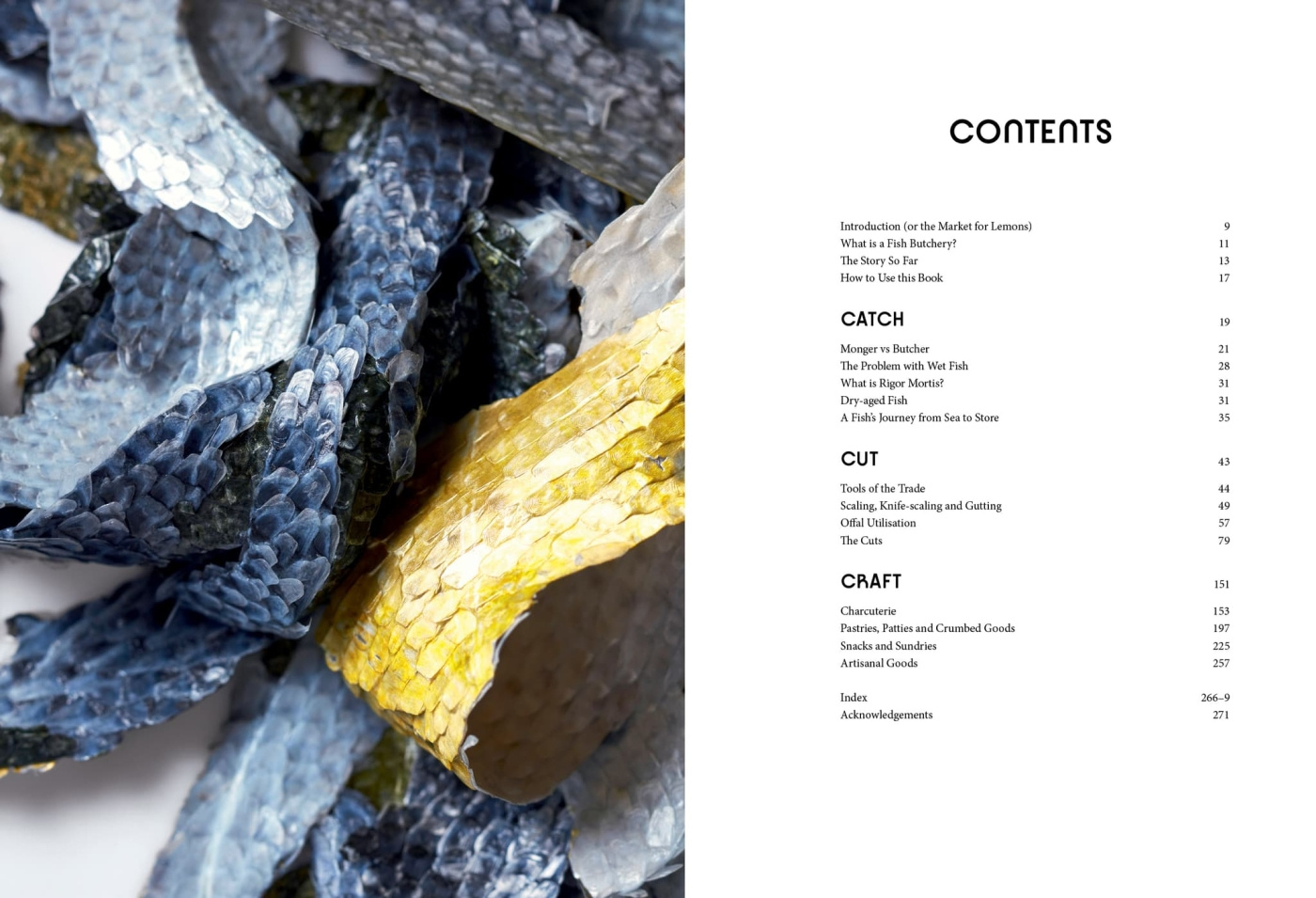
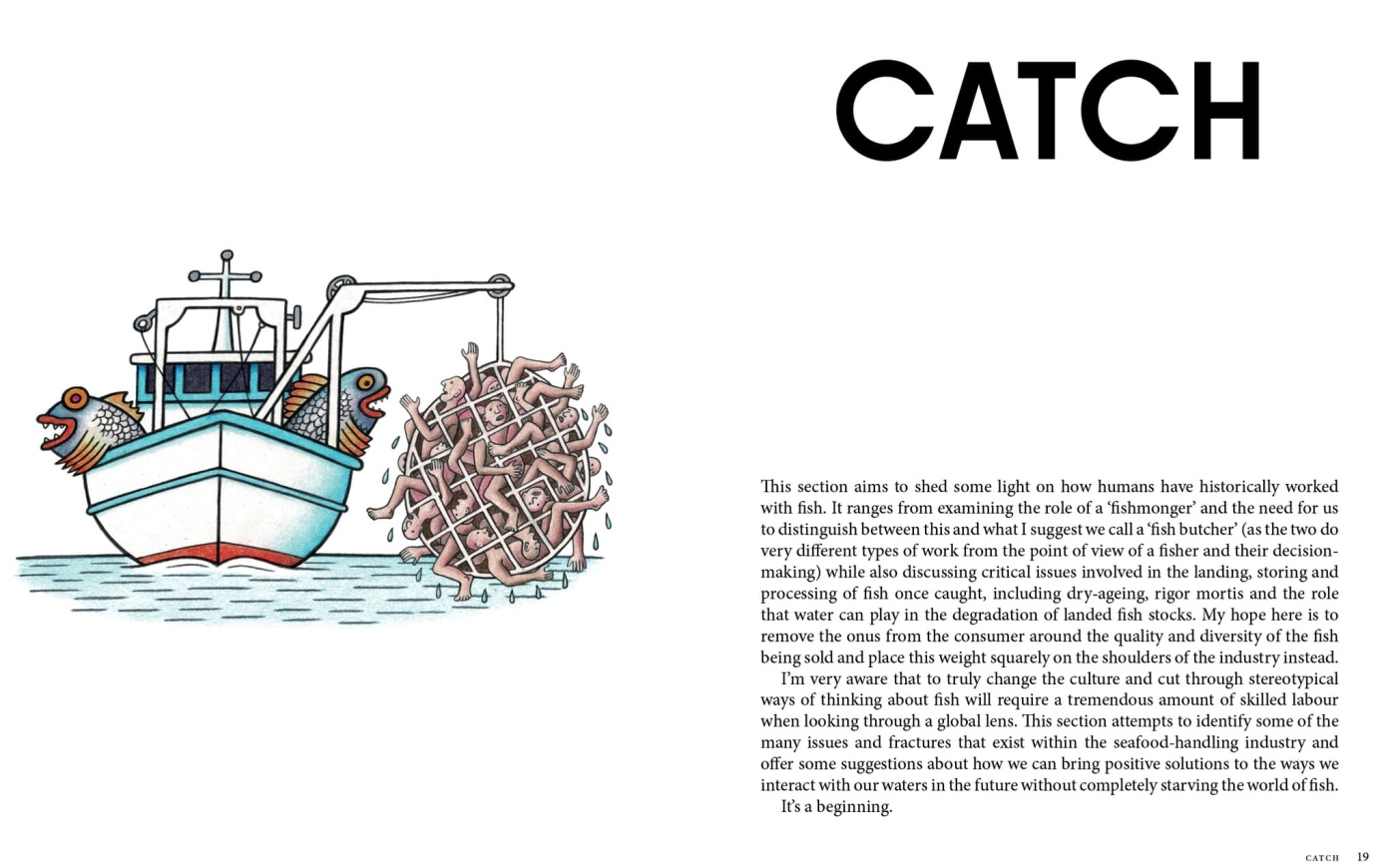
The three parts of the title structure the contents. The catch deals with what happens to the fish before it reaches the kitchen, including ikejime, the Japanese slaughter method that prevents lactic acid from building up in the muscle and therefore determines quality long before anyone picks up a knife.
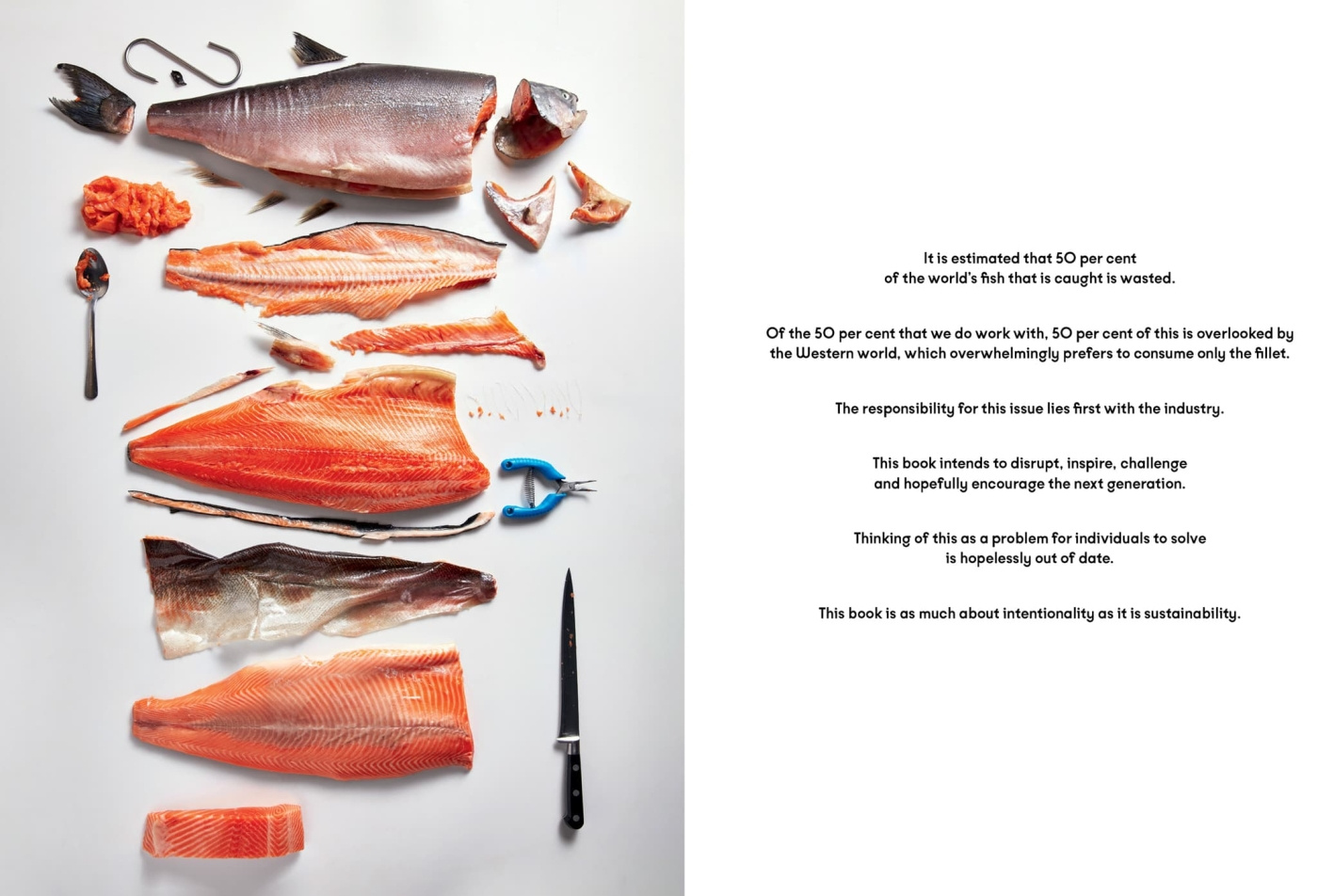
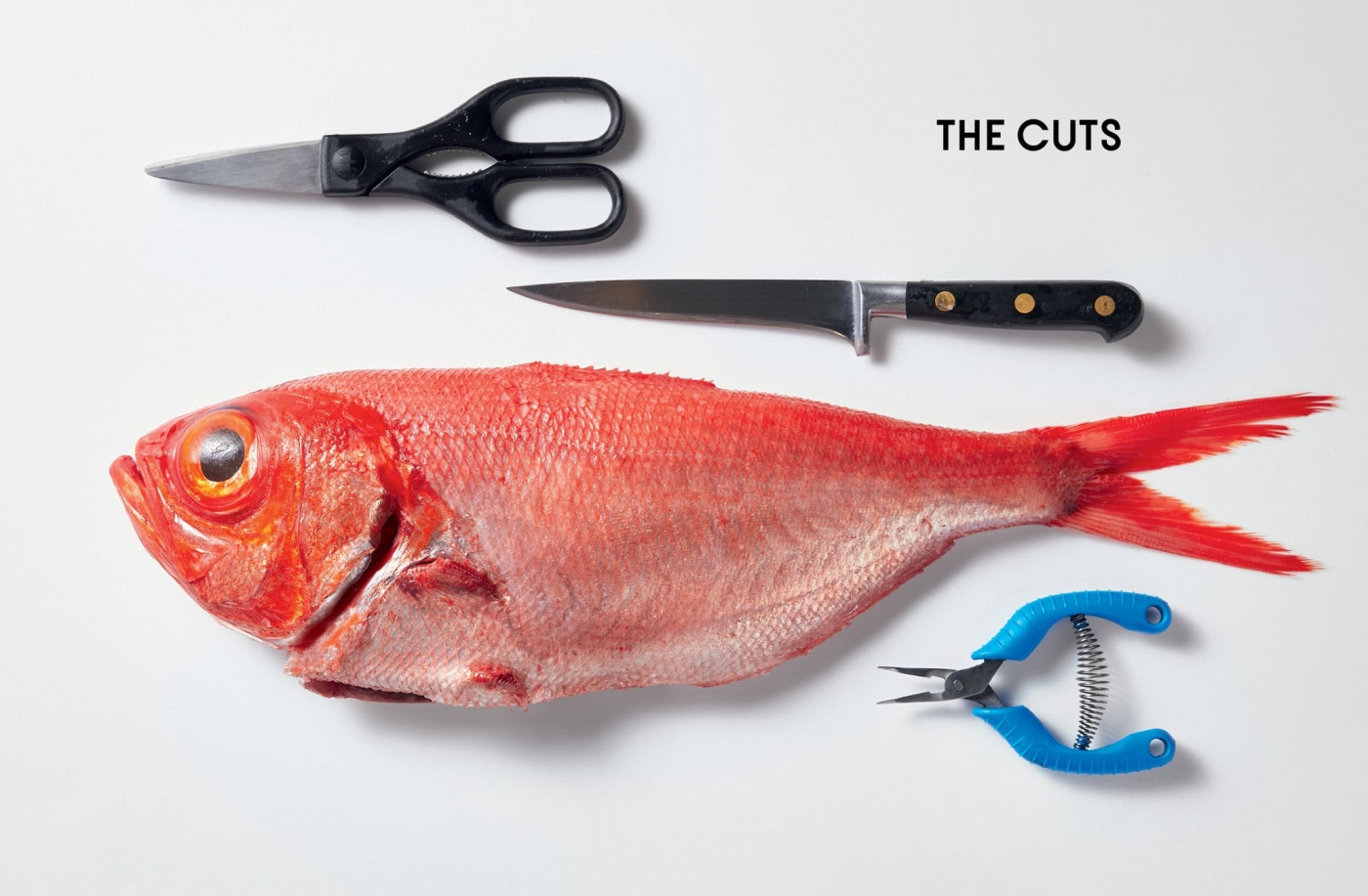
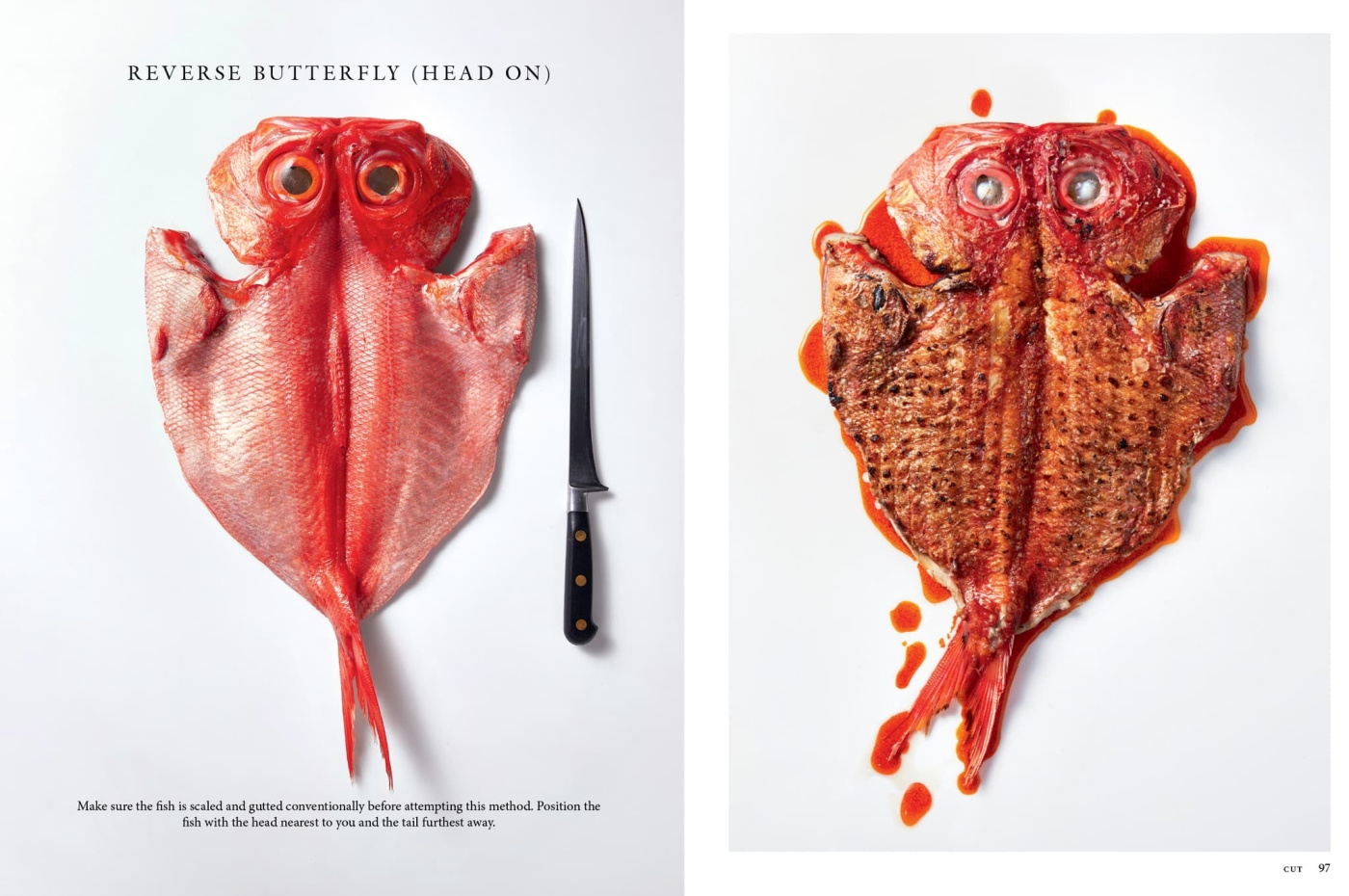
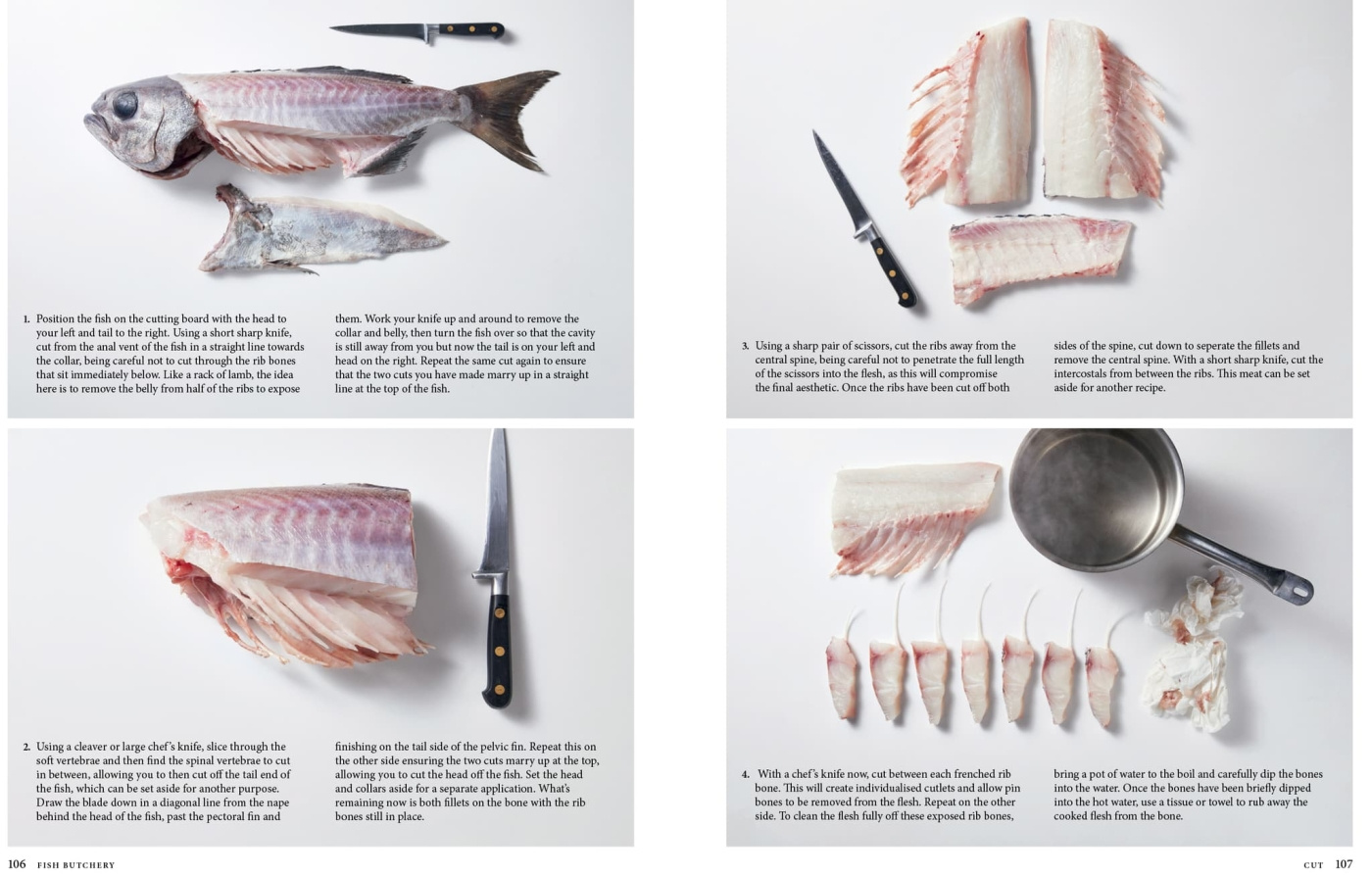
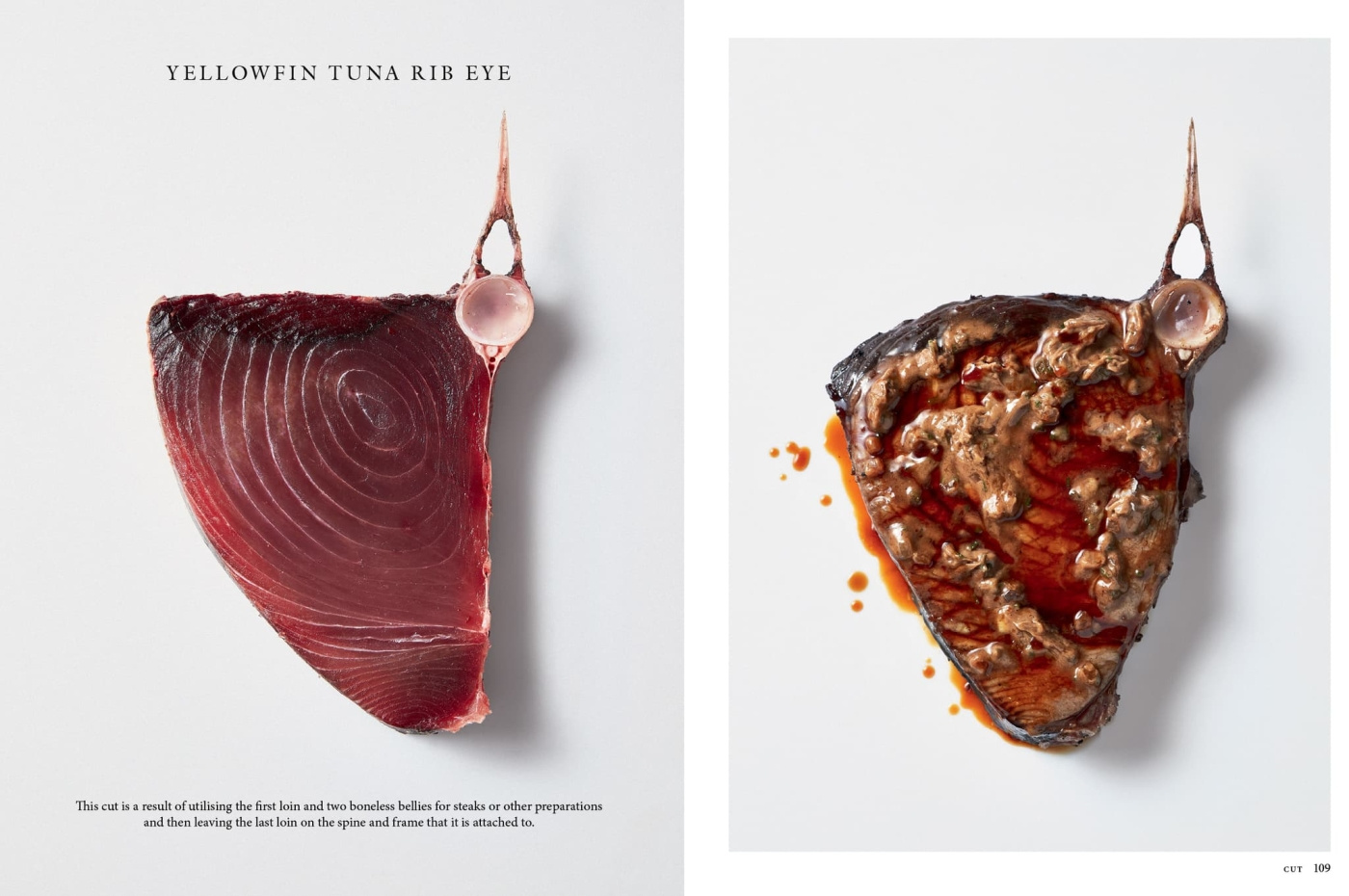
The butchery is the core of the book. Species by species, cut by cut, using the same logic a butcher applies to an animal. Where the joints are, how the spine is released, how the skin is handled and why the fish should never come into contact with water. The last point is crucial, because rinsing both damages the skin and accelerates spoilage.
The craft is the third part and the most transformative. Dry ageing and hanging fish for days or weeks, producing a firmer texture and deeper flavour. Salting and brining. And fish charcuterie in its own right, including tuna ham, sausages and cured products made from parts that would otherwise be discarded.
The book received the 2024 James Beard Award in the restaurant and professional category, which says something about who it is primarily written for. But it works just as well for the home cook who buys whole fish and wants to stop asking someone else to do the work.
It is demanding. A sharp knife, a pair of tweezers and patience are enough for most of it, but it assumes that you want to learn something rather than simply cook dinner.
Format: Hardback
Number of pages: 272
Publisher: Hardie Grant
ISBN: 9781743799192
Language: English
First published: 2023