








 30 DAYS OPEN PURCHASE
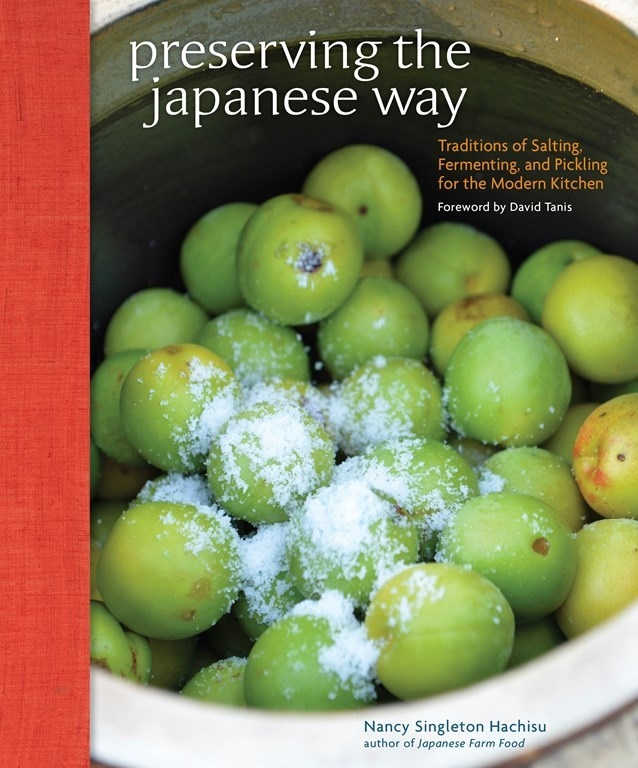
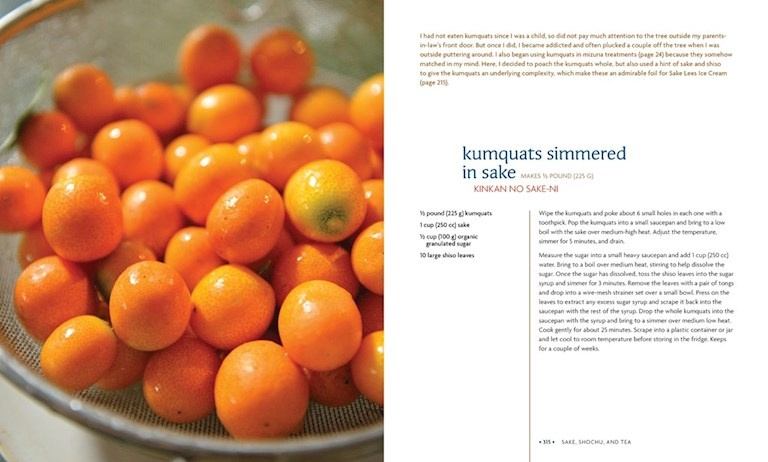
Preserving the Japanese Way documents what is probably the world's most developed tradition of preserving food, written from the inside by someone who lives it.
Nancy Singleton Hachisu moved to Japan in 1988 for what was supposed to be a year. She married a farmer in Saitama and has lived on the farm ever since. She therefore writes not as a visitor, but as someone whose household actually salts, dries and pickles because that is simply how the year works.
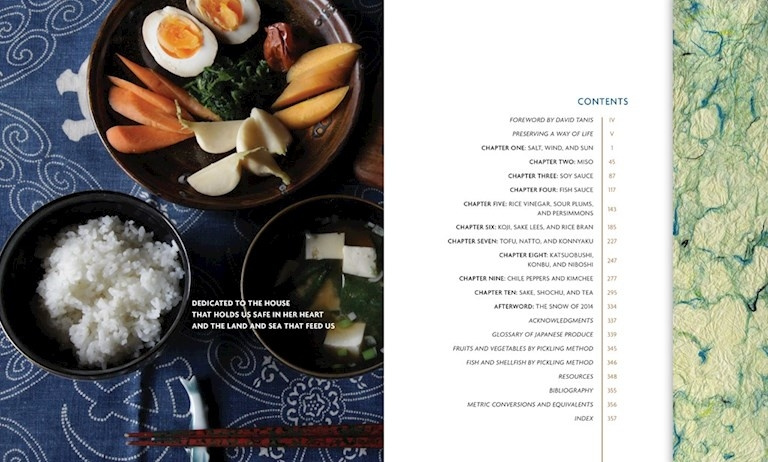
At the heart of the book is nukadoko, a bed of rice bran that is fed every day and into which vegetables are buried to become nukazuke. Such a bed can be kept alive for decades and passed down through generations. There is no Western equivalent, and it is by far the most unfamiliar and most rewarding technique in the book.
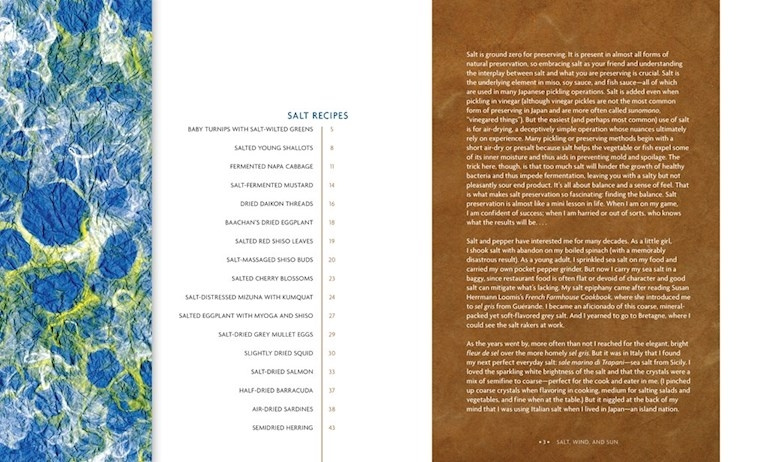
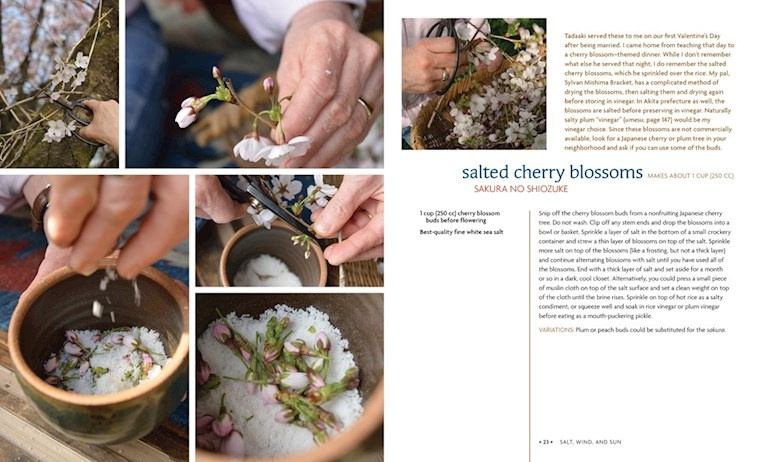
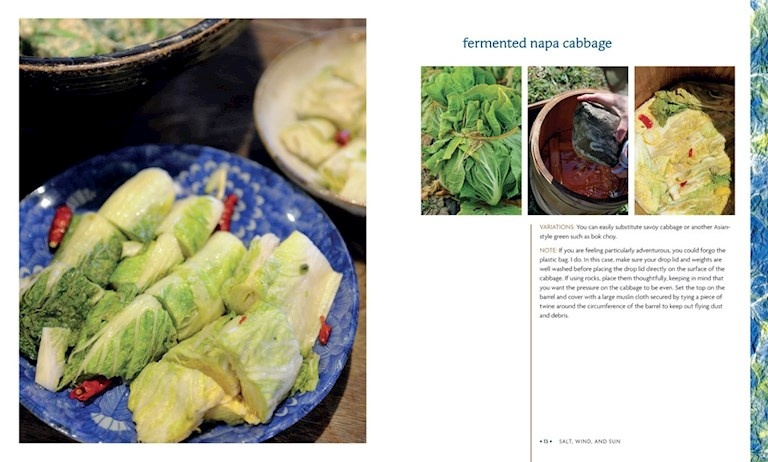
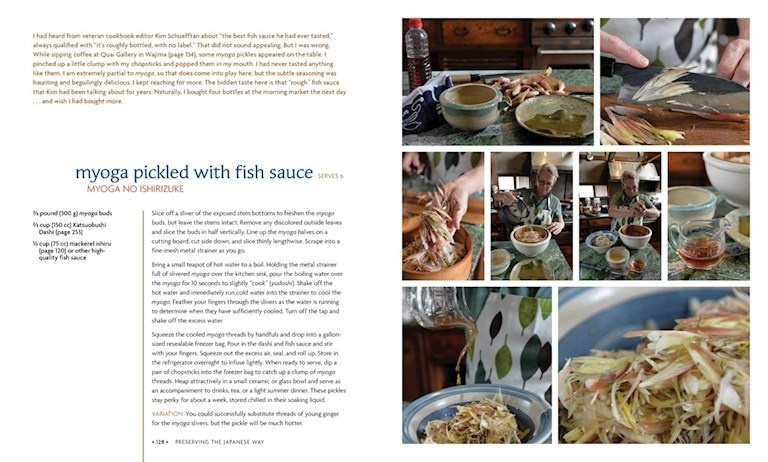
Beyond that, there is umeboshi, salted plums that are sun dried and aged for months, the entire family of tsukemono, miso and soy sauce made from scratch, shio koji as the easiest route into the world of koji, amazake, dried fish and rice vinegar.
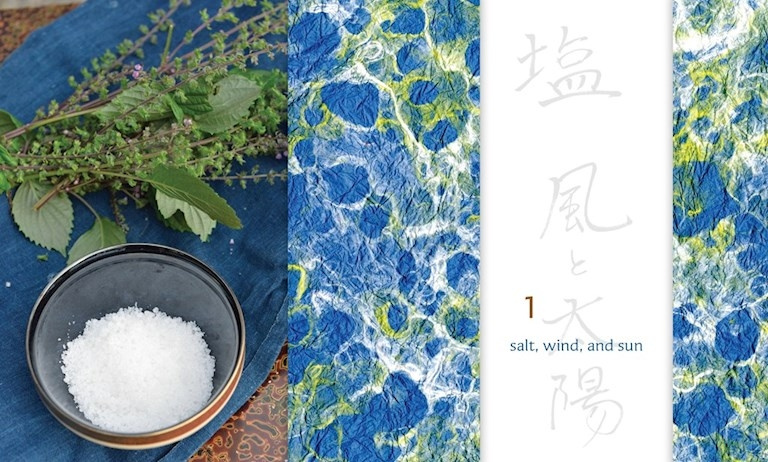
The logic running through the entire book is the season. Japanese preserving is tied to the precise moment when something is ripe in a stricter way than its Western counterpart, and this explains why the methods look the way they do.
The book also contains photographic essays from the communities that still maintain these traditions. That part is more important than it might sound, because several of the methods are disappearing as rural Japan ages. In some cases, this is documentation of something that may soon exist only in books.
The book was nominated for a James Beard Award in the International Cookbook category.
Format: Paperback
Number of pages: 400
Publisher: Andrews McMeel
ISBN: 9781524894764
Language: English
First published: 2015, this edition: 2025