






 30 DAYS OPEN PURCHASE

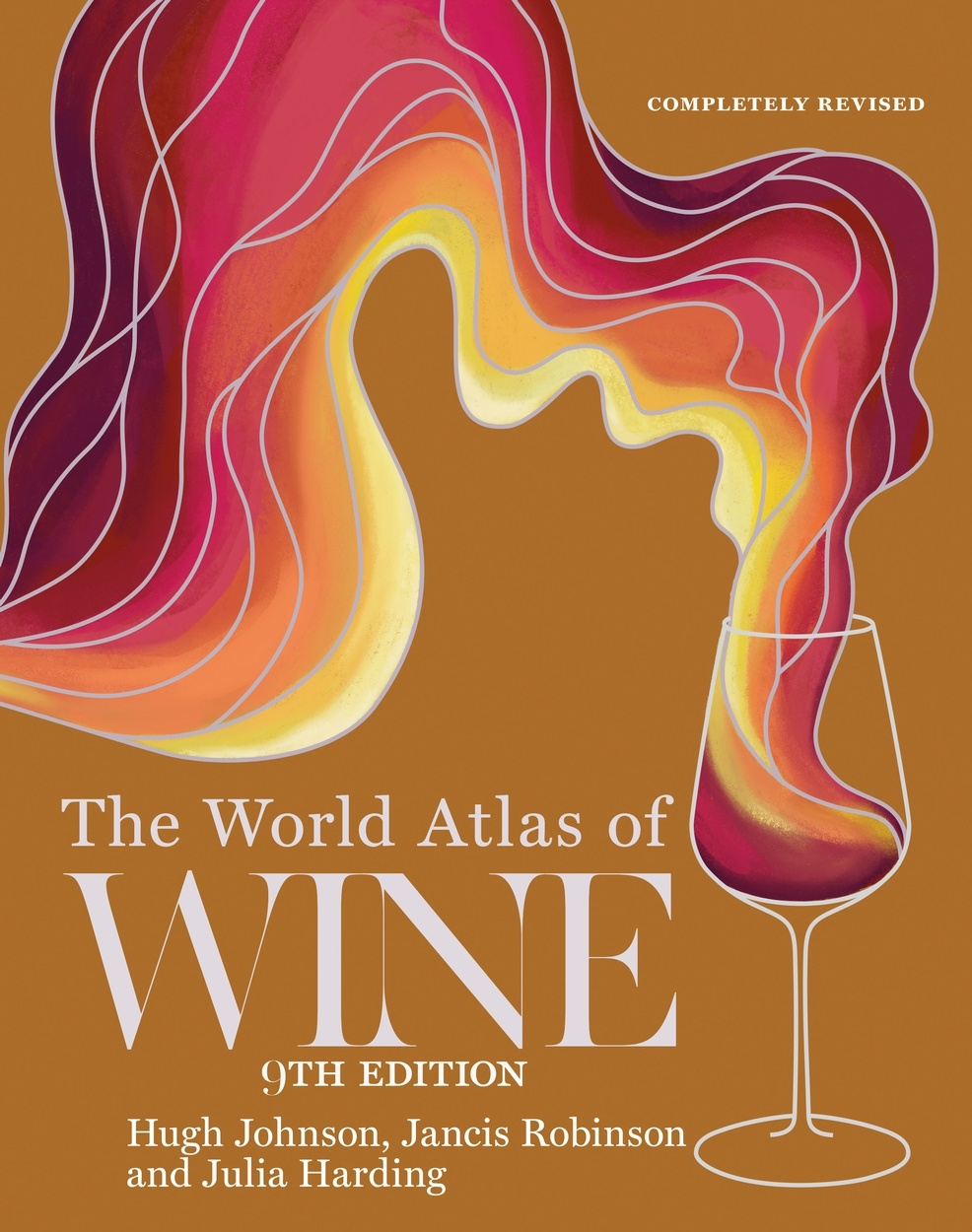
Hugh Johnson was 32 when the first edition appeared in 1971. Before it, there had been no systematic mapping of where wine was actually grown, and the book made publishing history. It has since sold more than five million copies and appeared in nine editions.
Jancis Robinson joined as co-author for the fourth edition in 1994, and they have produced the work together ever since. For this edition they have also worked with Julia Harding, who is also co-editor of The Oxford Companion to Wine.
The book begins with the fundamentals: the vine, soil, climate, cultivation, winemaking and how to taste, store and serve wine. It then works its way through the entire wine world, region by region, from Bordeaux and Burgundy to California, Chile, Australia, South Africa, China and Japan. Each section includes maps, an account of the region, its appellations and the producers worth knowing.
The ninth edition is the first since 2019. It contains eighteen entirely new maps and thoroughly rewritten text, with the consequences of climate change as a recurring theme. It covers the new vineyards appearing far into northern Europe, shifting harvest dates and the sustainability initiatives being tested around the world.
If you are going to own one heavyweight wine reference, this is it, and now it is up to date again.
Format: Hardback
Number of pages: 432
Language: English
First published: 1971, this ninth edition 2026
The Kitchen Lab Selection
Terroir is an abstract word until you see it drawn. Two vineyards a few hundred metres apart, different soil, different slope, different aspect, and suddenly it is obvious why one is grand cru and the other is not. On a single spread the maps do what no running text can.
More than 200 of them, drawn so that vineyard boundaries, altitude, watercourses and soil are all visible at once. There is no equivalent.
And because it is a book of geography about wine rather than a guide to what to drink, it does not go out of date the way tasting guides do. It lasts for decades.