







 30 DAYS OPEN PURCHASE
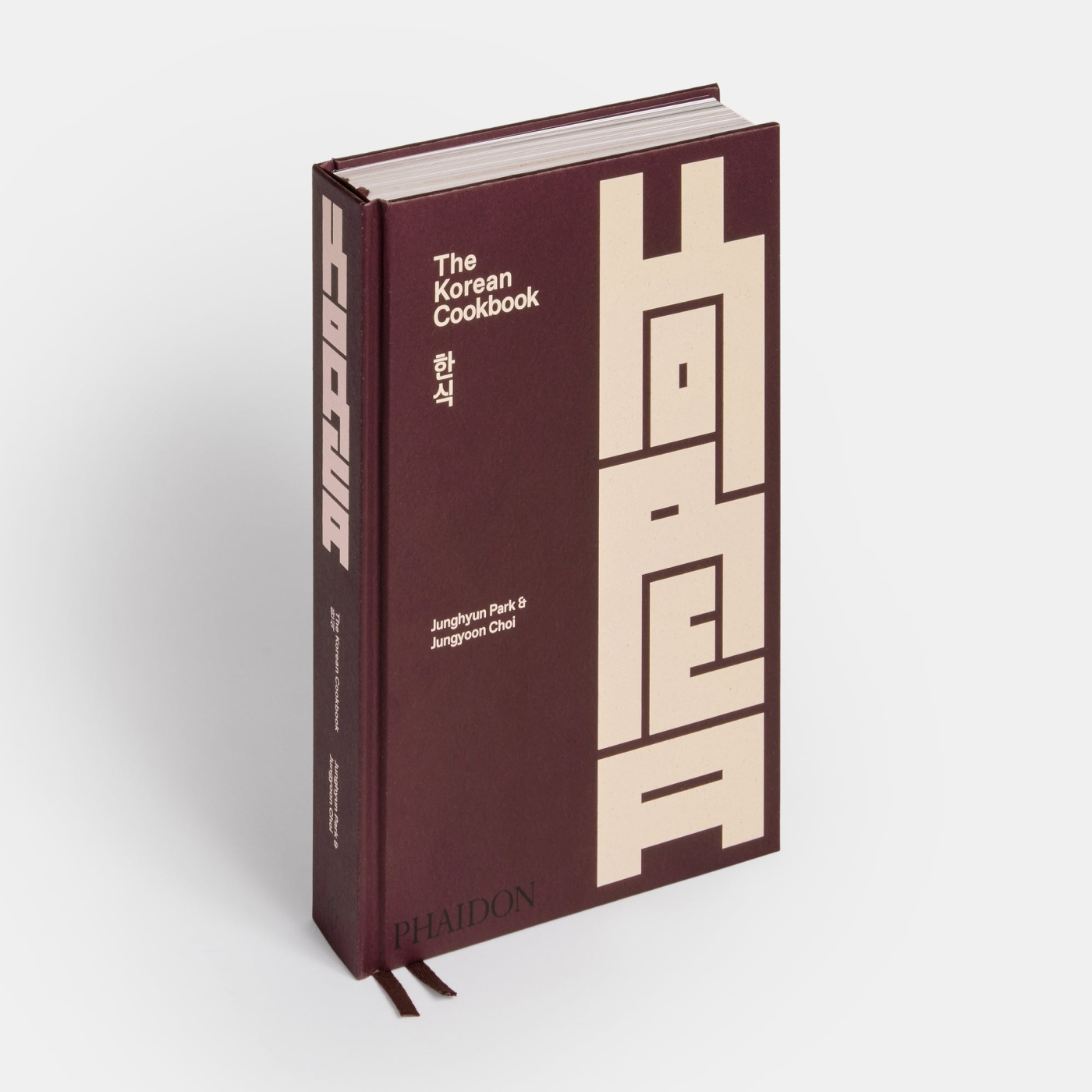
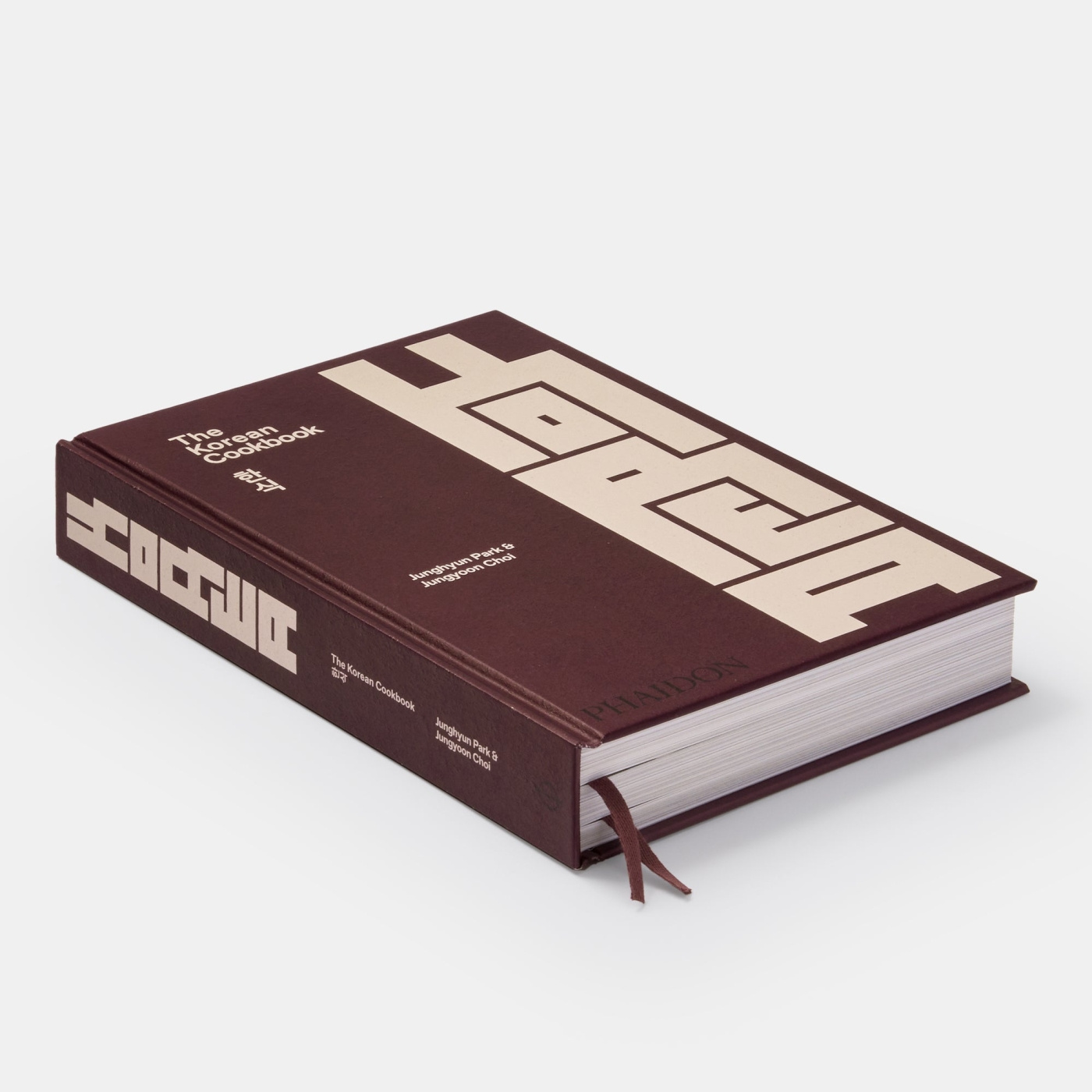
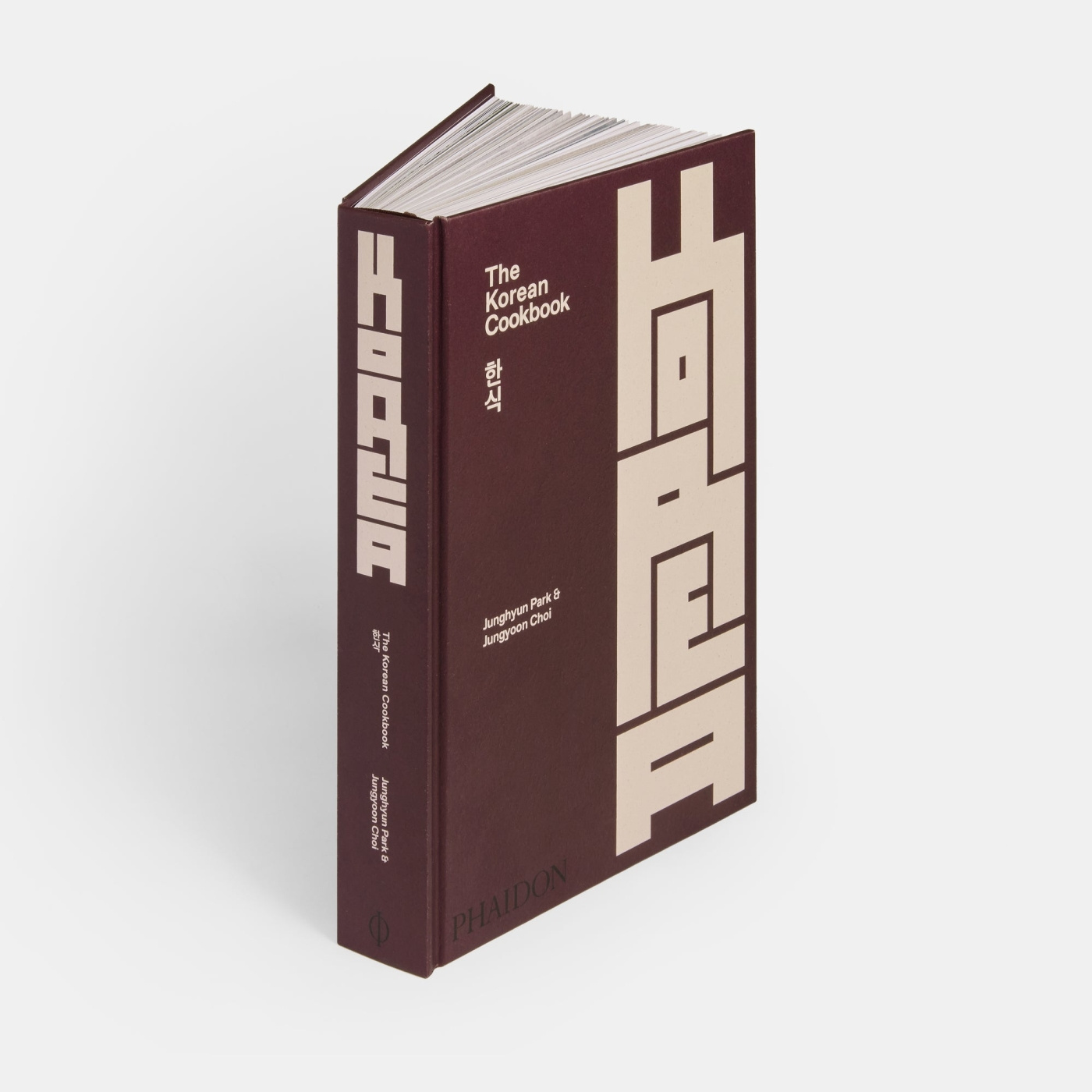
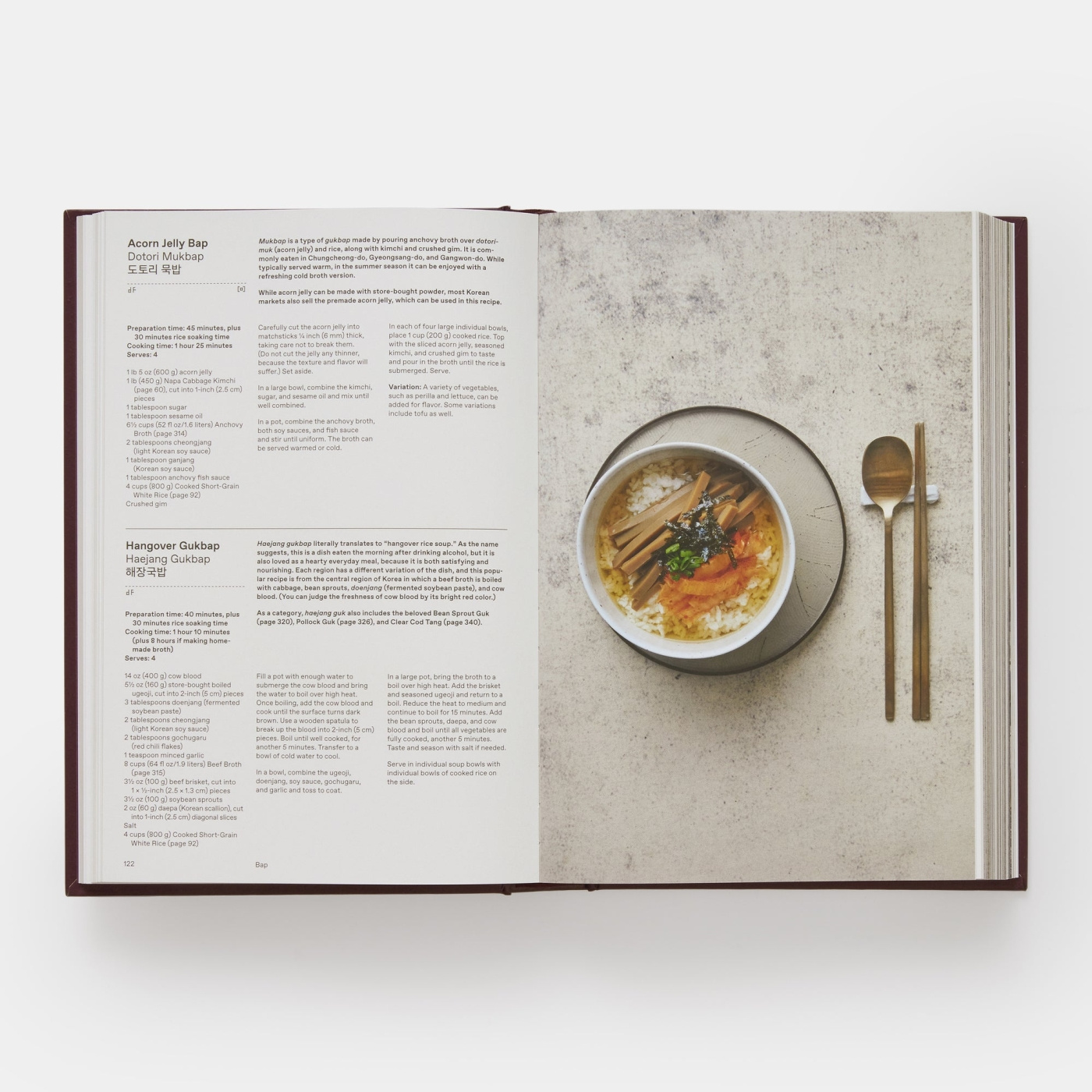
The Korean Cookbook is the first work in English to document Korean cuisine in its entirety, and it was needed.
Junghyun Park runs Atomix in New York, a two Michelin starred restaurant regarded as one of the most talked about in the world, and one that has built its entire reputation on presenting Korean food without simplifying it. Here he writes together with Jungyoon Choi, and the result is more than 350 recipes ranging from Seoul to Jeju.
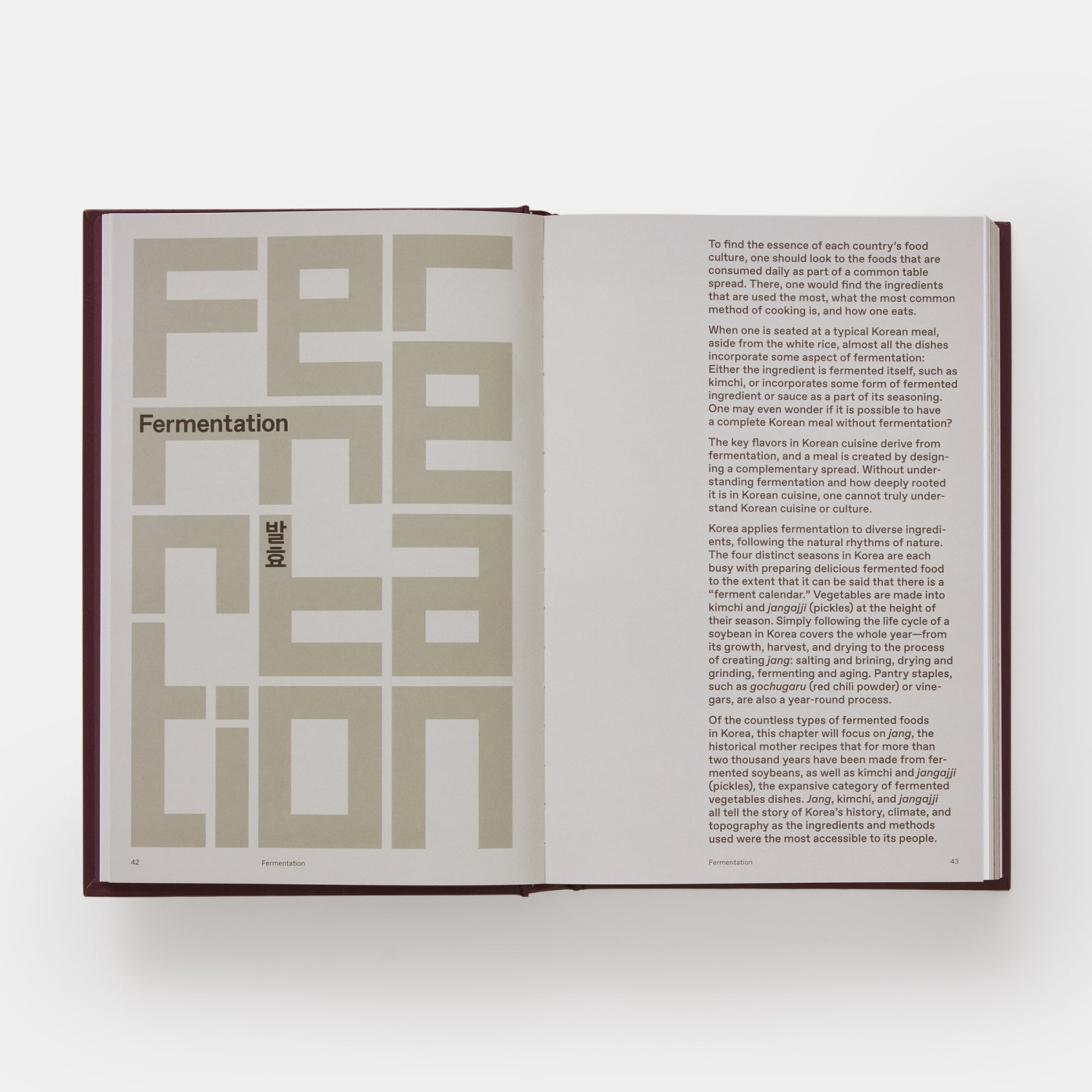
The foundation of Korean cooking is jang, the fermented soybean condiments. Doenjang, gochujang and ganjang have traditionally been made at home and aged in earthenware jars on rooftops for years, sometimes across generations, and they are the reason Korean food tastes the way it does. Without that understanding, gochujang becomes merely chilli paste, which it is not.
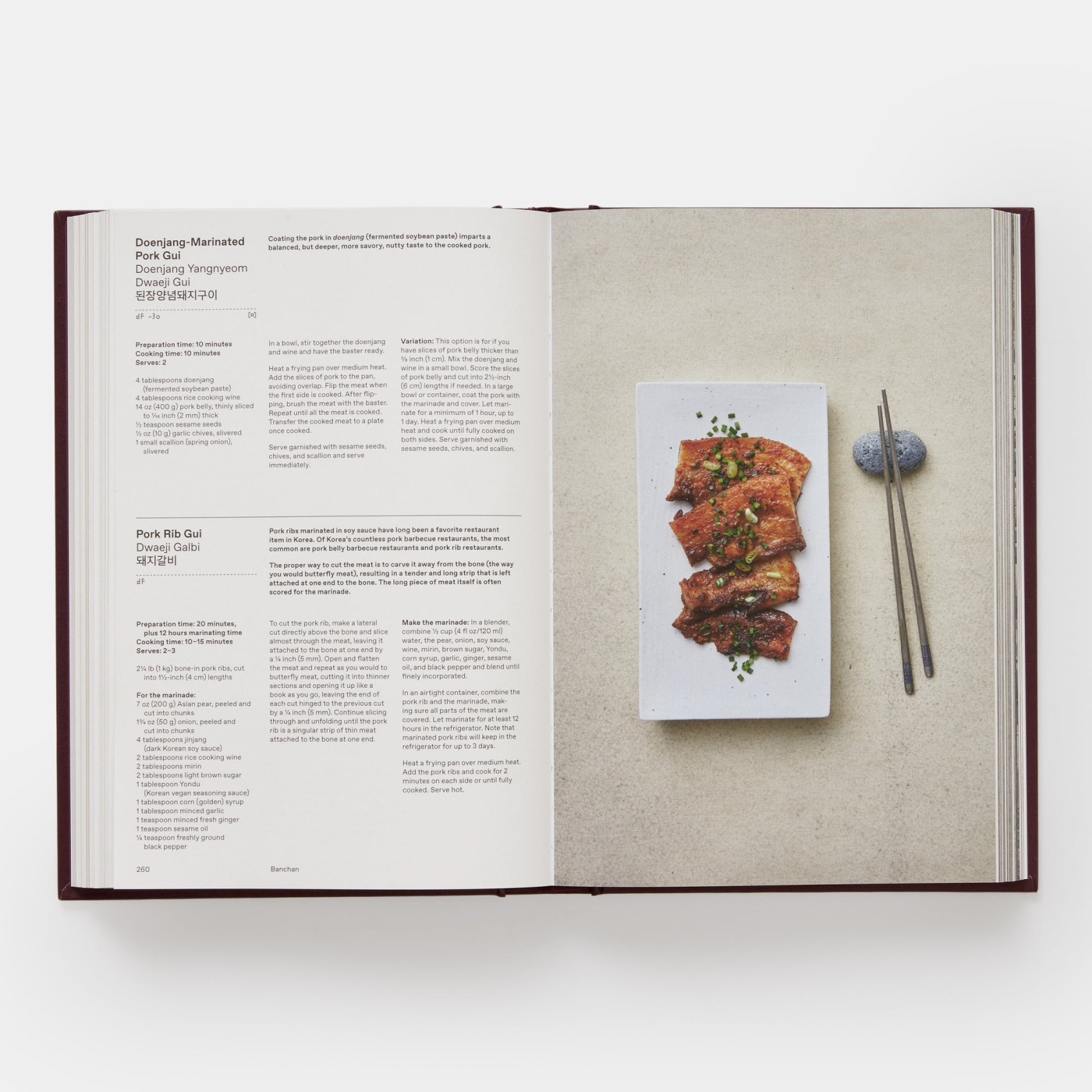
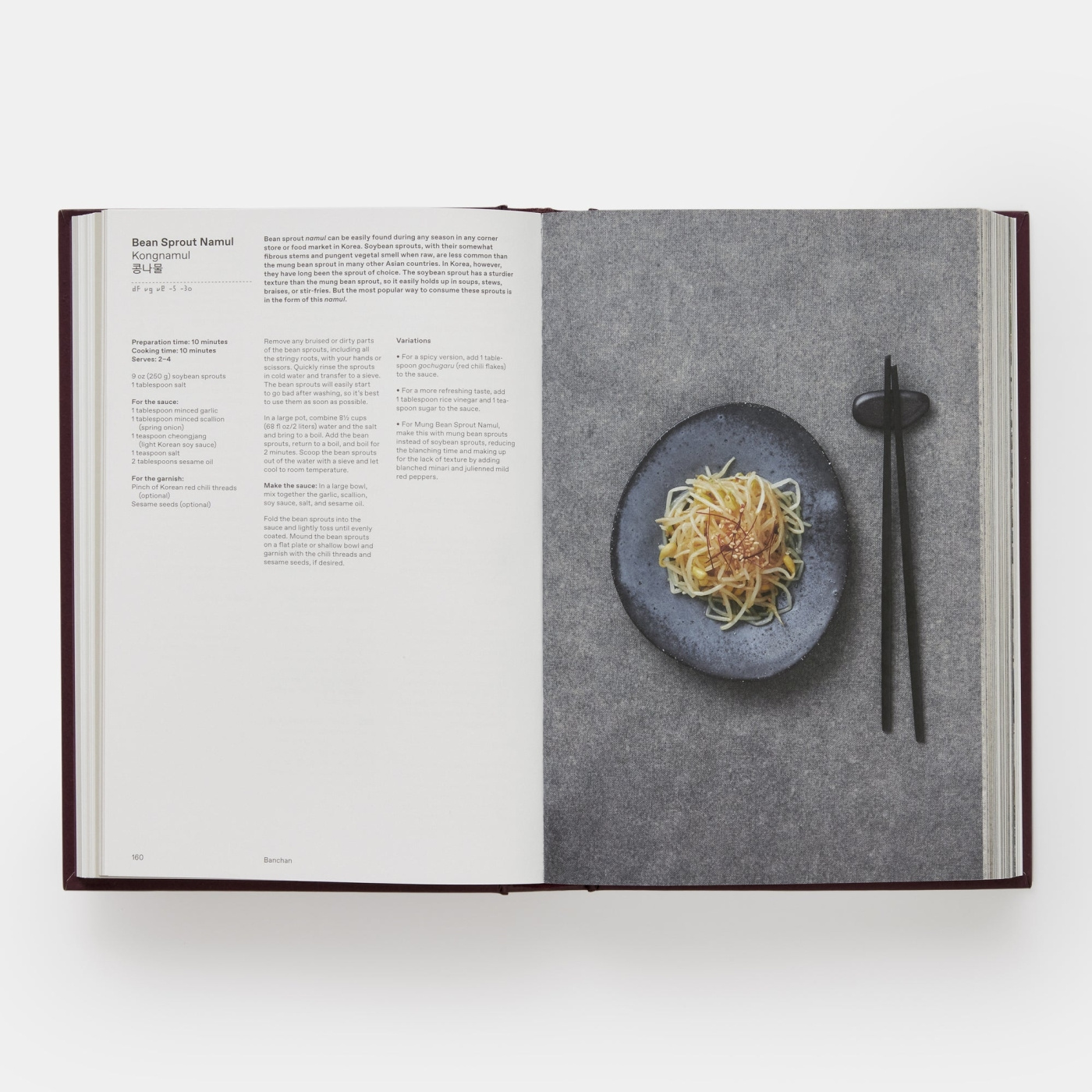
The meal itself is also structured differently from a Western one. There is no main course. There is rice, and around the rice are banchan, a number of small dishes served at the same time and eaten a little at a time. An everyday table may have five, a festive one twenty.
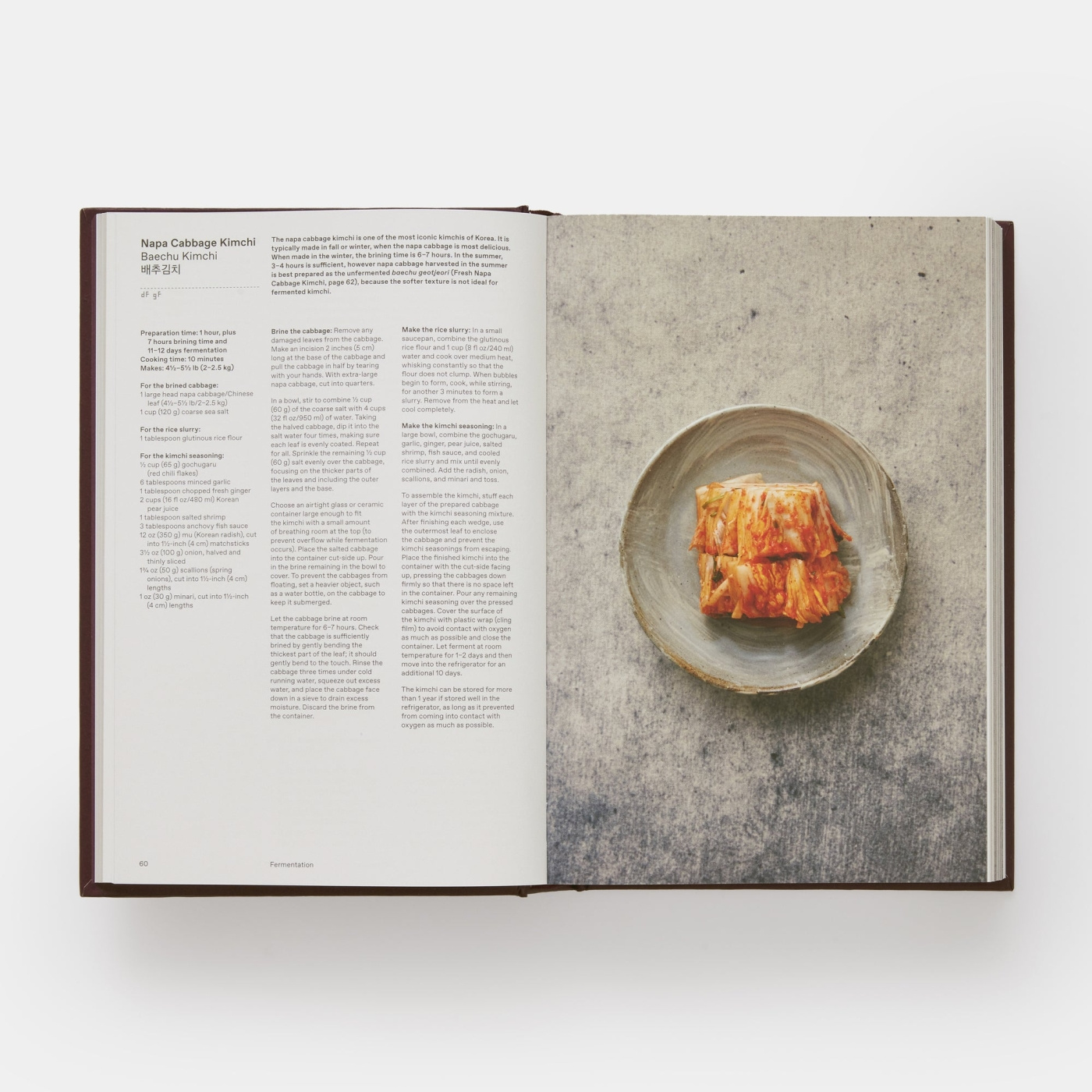
Kimchi is not one thing either, but hundreds. Napa cabbage is the most common, but the category also includes radish, cucumber, spring onion and many more, with the composition changing according to season and region. The book treats them as the category they actually are.
Regionally, the whole country is covered, from Jeolla Province, which Koreans themselves regard as the country's finest culinary region, to the island of Jeju, with its own food culture shaped by the sea and volcanic soil.
The book was named cookbook of the year by, among others, The Guardian, Bon Appétit and Food & Wine.
Format: Hardback
Number of pages: 496
Number of recipes: More than 350
Publisher: Phaidon
ISBN: 9781838667542
Language: English
First published: 2023