







 30 DAYS OPEN PURCHASE
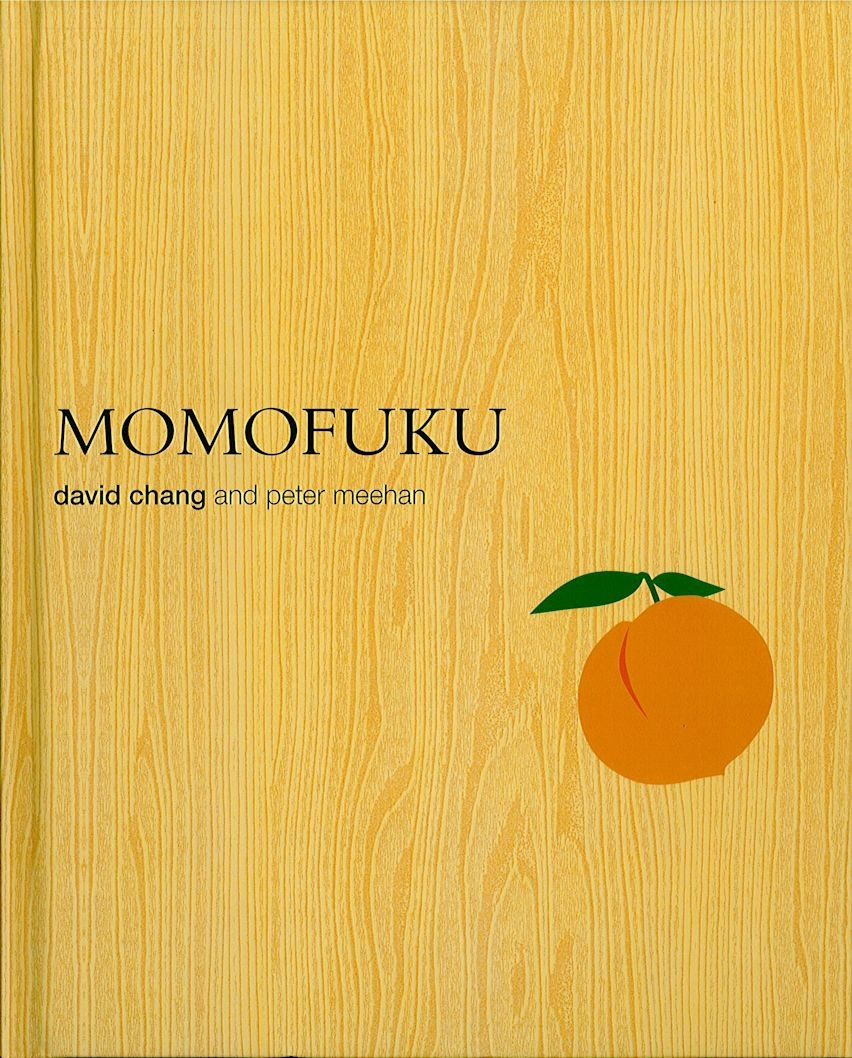
David Chang had trained as a chef in New York, worked at Jean-Georges and lived in Tokyo when, in 2004, he opened a 27-seat noodle bar on First Avenue in the East Village. The name Momofuku roughly means lucky peach and is also a nod to Momofuku Ando, the man who invented instant noodles.
What made the place remarkable was the combination. Chang cooked with techniques taken straight from three-Michelin-star kitchens but served the food cheaply, on bar stools, with loud music and no tablecloths. Today that sounds like a description of every other restaurant in any major city. In 2004, it did not exist, and the fact that it does now is in large part down to him.
The book documents those years. There is the ramen broth that takes several days, the kimchi and pickles, bo ssäm, an entire pork shoulder for a whole table, and above all the buns. Momofuku's pork bun with hoisin, cucumber and spring onion is now served in every major city, often by people who have never heard of the restaurant. If you have eaten one, you have eaten his work.
The desserts are Christina Tosi's. She ran the pastry side and went on to create Milk Bar from it, so that part has taken on a life of its own as well.
The co-author is Peter Meehan, then a food critic at the New York Times, and it shows in the fact that you can read the book straight through without cooking a single thing.
Format: Hardback
Number of pages: 304
Language: English
First published: 2009
The Kitchen Lab Selection
Bourdain had already made food writing personal, but the cookbook was another matter. It was a manual. Recipes, quantities, authority, nobody speaking.
Chang wrote in the first person. He swore, doubted, owned up to dishes he had not got right and was openly uncomfortable with parts of the world he himself worked in. Peter Meehan was a journalist and not a ghostwriter, which meant the conflicts stayed in the text instead of being polished out.
After this book, a cookbook could sound like a human being. Almost every recipe book with a narrating voice over the past decade can be traced back here.
The recipes, on the other hand, are demanding. The looser tone applies to the text, not to the work.