









 30 DAYS OPEN PURCHASE

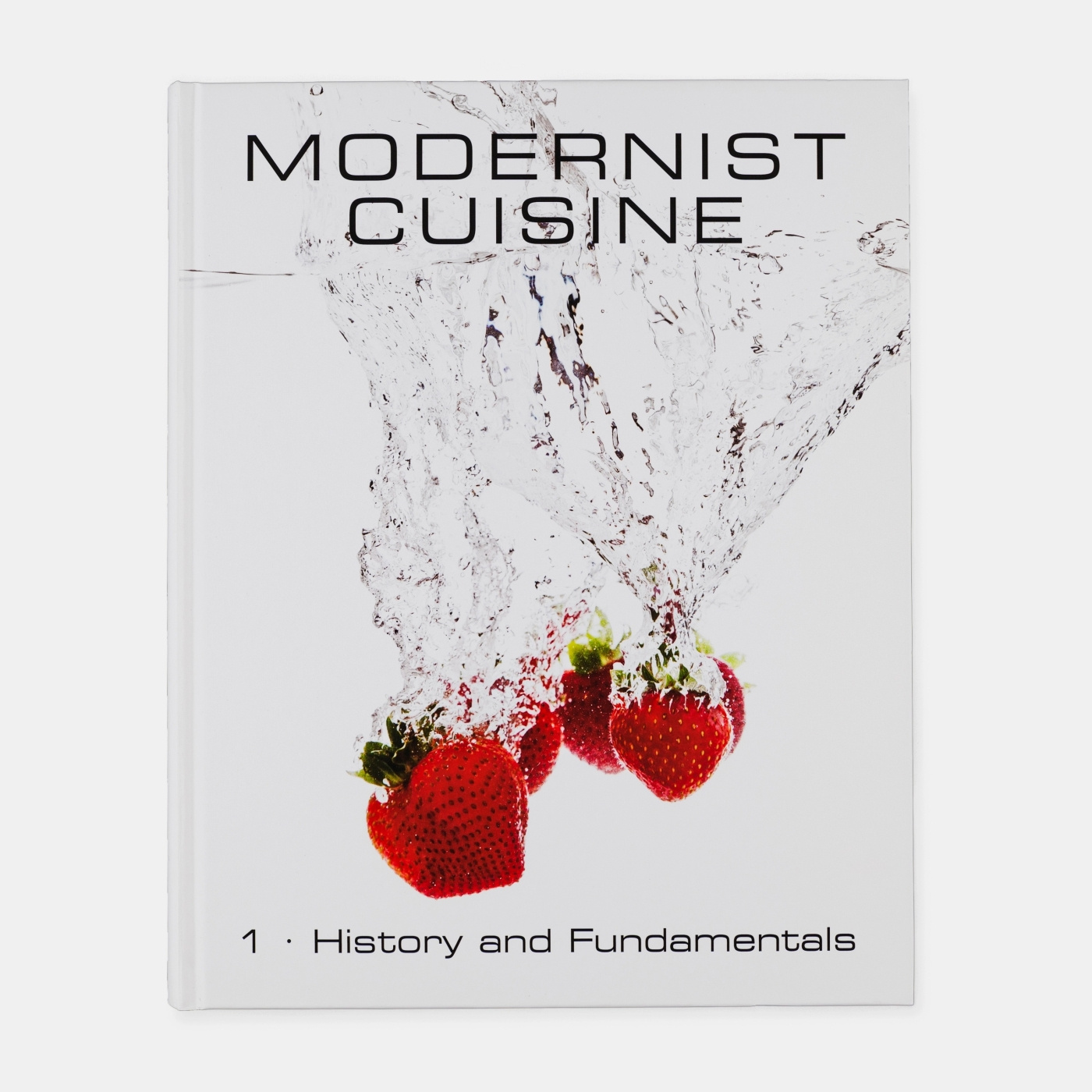
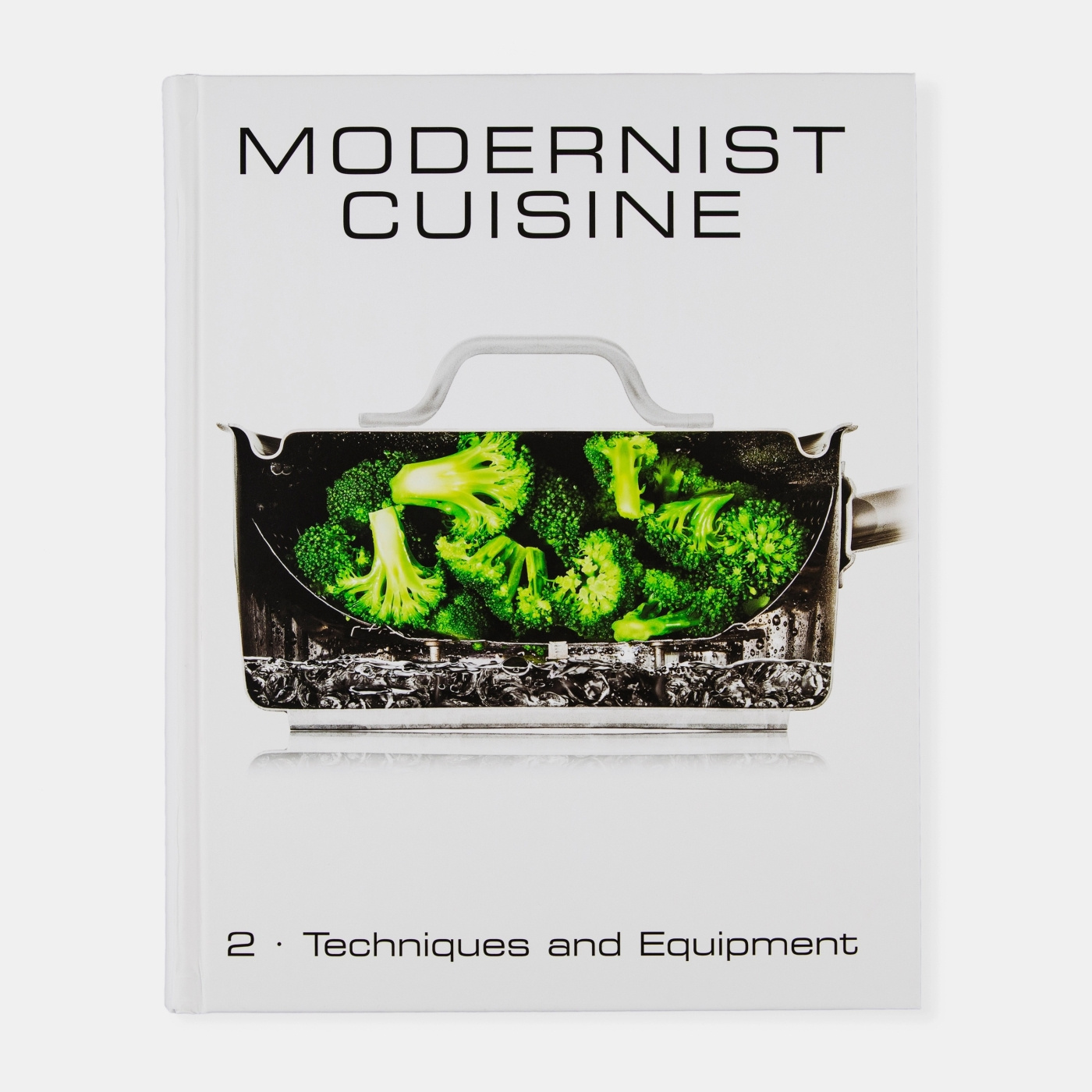
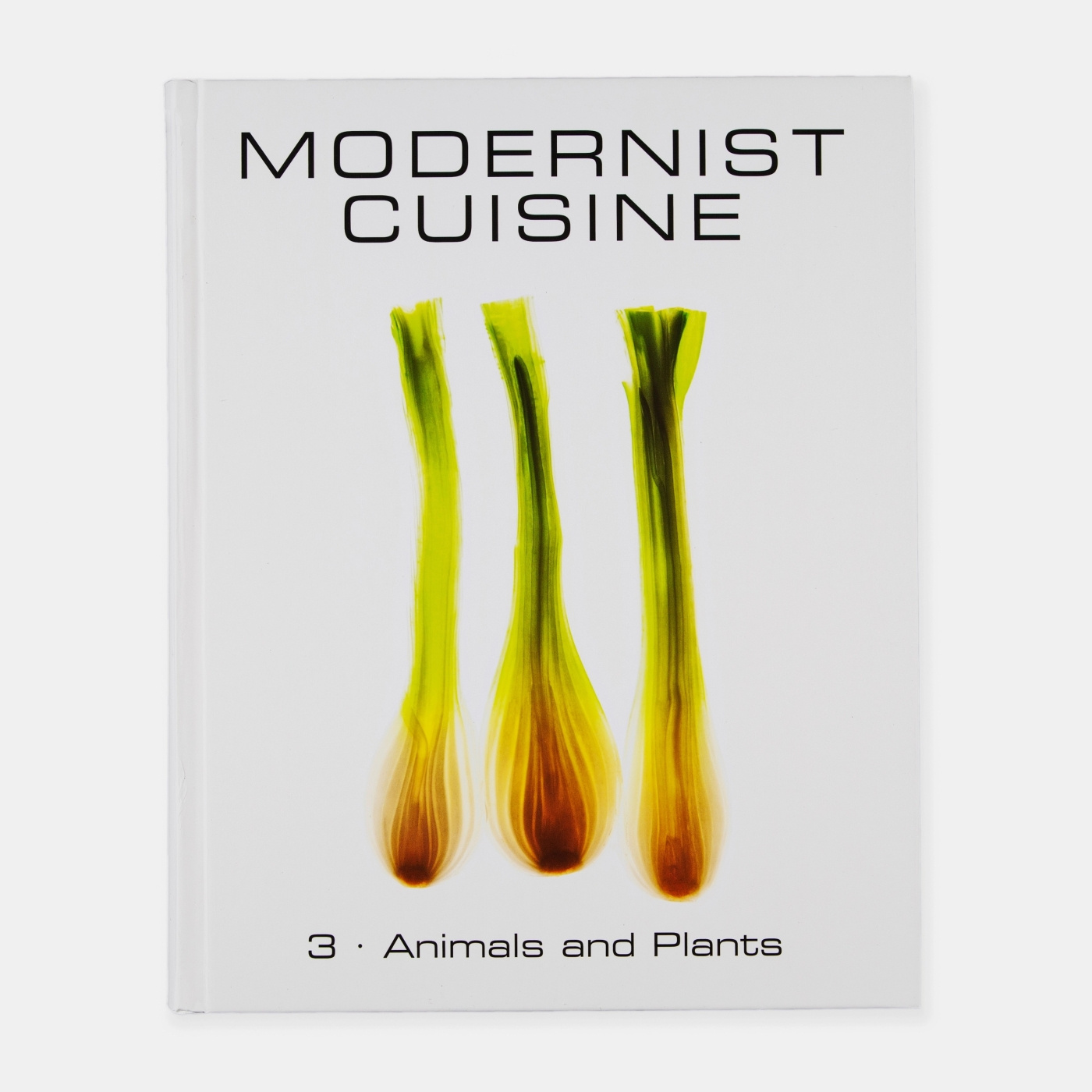
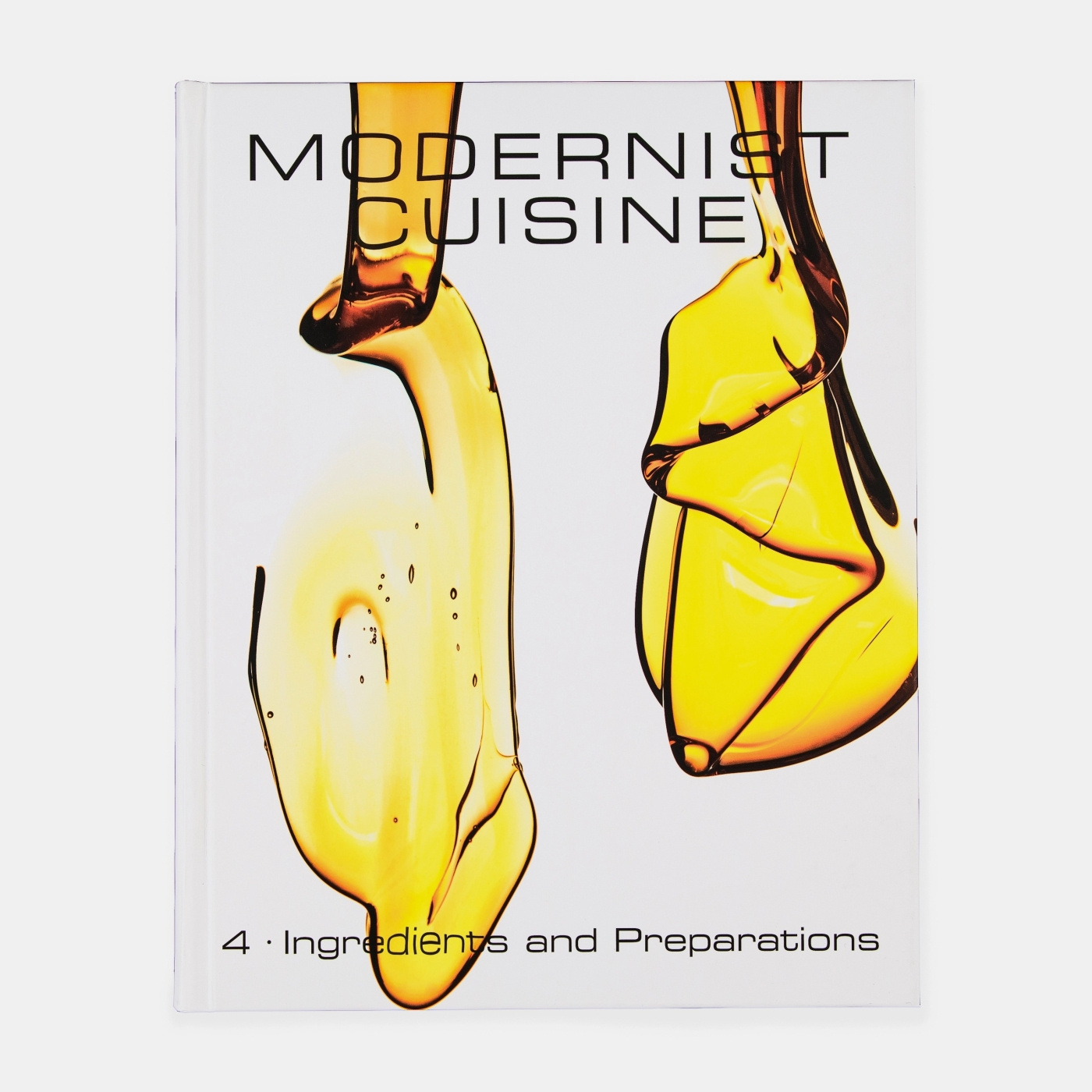
Six volumes, 2,400 pages and just over twenty kilos. This is the work that gave an entire movement its name, and at the same time the most exhaustive book on cooking ever published. One of the volumes is printed on waterproof material so it can sit out in a kitchen without getting ruined, which says something about how thought-through the whole enterprise is.
Behind it stands Nathan Myhrvold, whose résumé is hard to relay without it sounding made up. He started university at fourteen, earned a PhD in theoretical and mathematical physics alongside a master's in economics from Princeton, and then did postdoctoral work under Stephen Hawking at Cambridge in cosmology and quantum gravity. Fourteen years at Microsoft followed, where he founded Microsoft Research, oversaw a research budget of two billion dollars, and served as the company's Chief Technology Officer. Alongside all this, he worked as a stagiaire in Seattle kitchens, took a leave of absence to earn a chef's degree at École de Cuisine La Varenne in France, and was part of the team that won the world barbecue championship in Memphis. He also publishes peer-reviewed research on asteroids and dinosaur metabolism. This is not a man who does things half-heartedly, even if the CV might give the impression of someone rather scattered.
The work begins in the microbiology of food, food safety, heat transfer and thermodynamics, moves through the traditional techniques, and lands in the full modernist register with sous vide, gels, emulsions and foams, containing over 1,500 recipes. The most talked-about part, though, is the photography, since the team cut pots, ovens, grills and an entire wood-fired barbecue in half with a water jet cutter to photograph what actually happens inside during cooking. There is no equivalent to those images anywhere else, and that's because no one else has been willing to destroy the equipment to get them.
In 2012 the book won two James Beard Awards, both Cookbook of the Year and Best Reference Book, and The New Yorker has named it one of the finest works of the century.
When the follow-up, Modernist Bread, was released, we had the team here with us giving a talk, which among other things meant we got to hear just how much of the work consists of building equipment that doesn't exist yet, and we've had reason to continue that conversation ever since.
Nobody really needs this work. Plenty of people want it anyway, and they're right.
Format: Hardcover, six volumes in a slipcase
Number of pages: 2438
Language: English
First published: 2011
The Kitchen Lab Selection
Modernist Cuisine is the outer limit of what a cookbook can be. No one has attempted anything like it before or since, and in all likelihood no one will again. A thorough and quite remarkable project that leaves no room for anything to be added.