









 30 DAYS OPEN PURCHASE
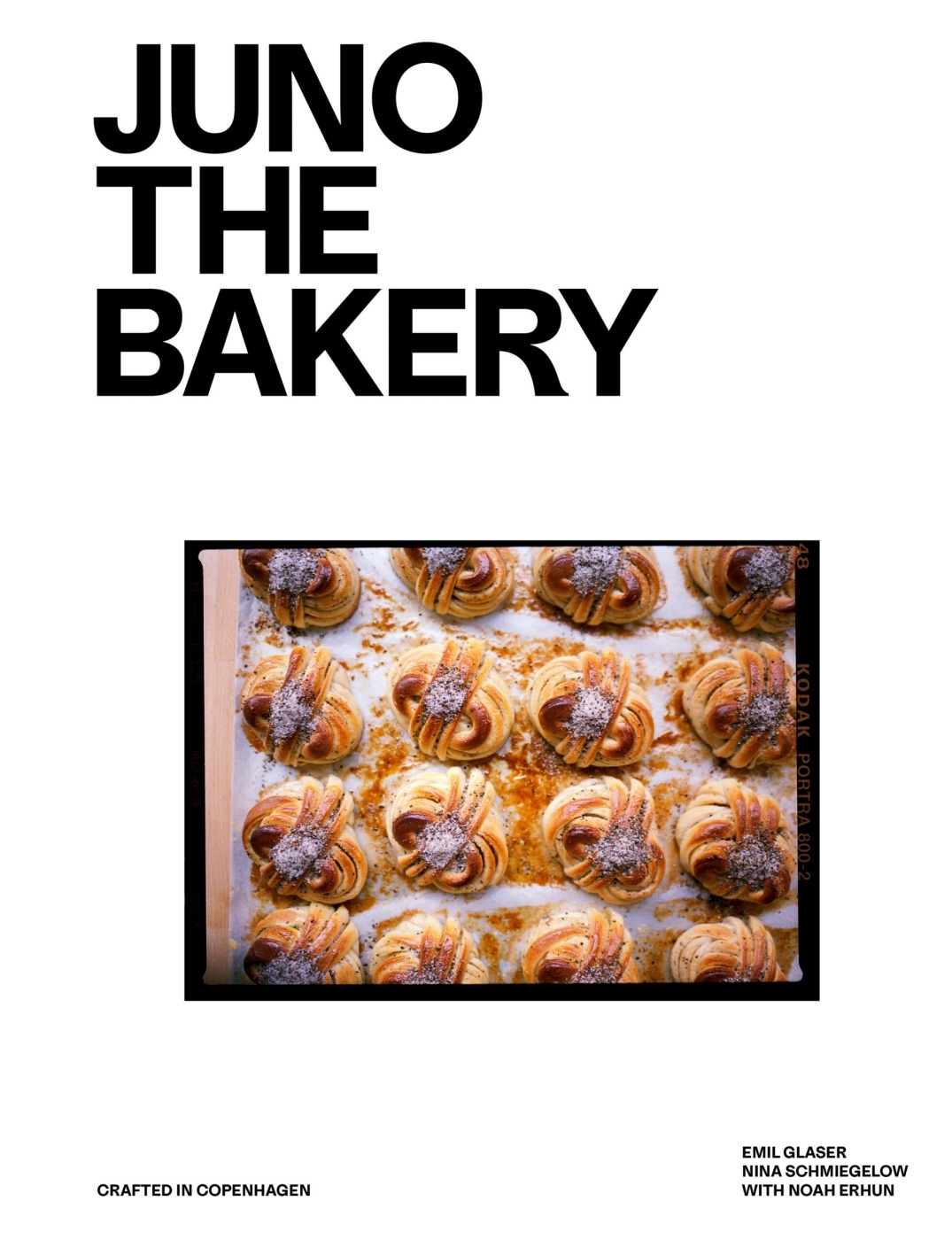
It is difficult to write about Juno without resorting to superlatives, which is awkward because in this case the superlatives are actually justified. Juno the Bakery is not simply a book from one of the finest bakeries in the Nordic region. It is a snapshot of a baking world currently developing at an almost absurd pace, and of the bakery doing more than any other to determine where that development is heading.
Something has happened to Scandinavian craft baking. In just a few years, the standard for what counts as truly excellent has moved so far that a bakery which would have been unquestionably among the very best three years ago can now look like one among many. Doughs have improved. Flour has improved. Lamination has improved. Fermentation has improved. Ingredients, precision, butter handling, fillings, glazes, textures and the understanding of how everything fits together have taken enormous leaps forward. Making a good sourdough loaf and a handsome croissant is no longer enough. The competition to push the boundaries of what a modern bakery can be starts again every morning.
At the centre of that development stands Juno.
Juno opened in Østerbro, Copenhagen, in 2017 and quickly became one of the most important representatives of the new generation of Scandinavian bakeries. Emil Glaser arrived from Noma, but Juno never became a bakery version of Noma. It developed a language of its own. Intensely craft driven, uncompromising about ingredients and technically operating at a level that can sometimes be difficult to comprehend until you actually taste the result, yet refreshingly free from any need to make that complexity visible to the customer.
Perhaps that is precisely where Juno is at its best. The result can look self evident. A cardamom bun is still a cardamom bun. Bread is bread. A croissant does not need to arrive at the table accompanied by a dissertation on fermentation. But behind that apparent simplicity is a level of precision belonging to the absolute forefront of modern baking.
For anyone who has worked professionally in baking, the pace of development is almost provocatively obvious. Techniques and standards of quality that felt advanced only recently have become the starting point for the next generation. Juno belongs to the small group that has not merely managed to keep up with that shift, but has actively driven it. A little like Armand Duplantis and the pole vault world record, they barely seem to have time to set a new bar before they start considering how to raise it another few centimetres.
That is why Juno the Bakery is an important book despite lacking the convenient verdict that comes with fifty years of gastronomic history. It documents something while it is happening.
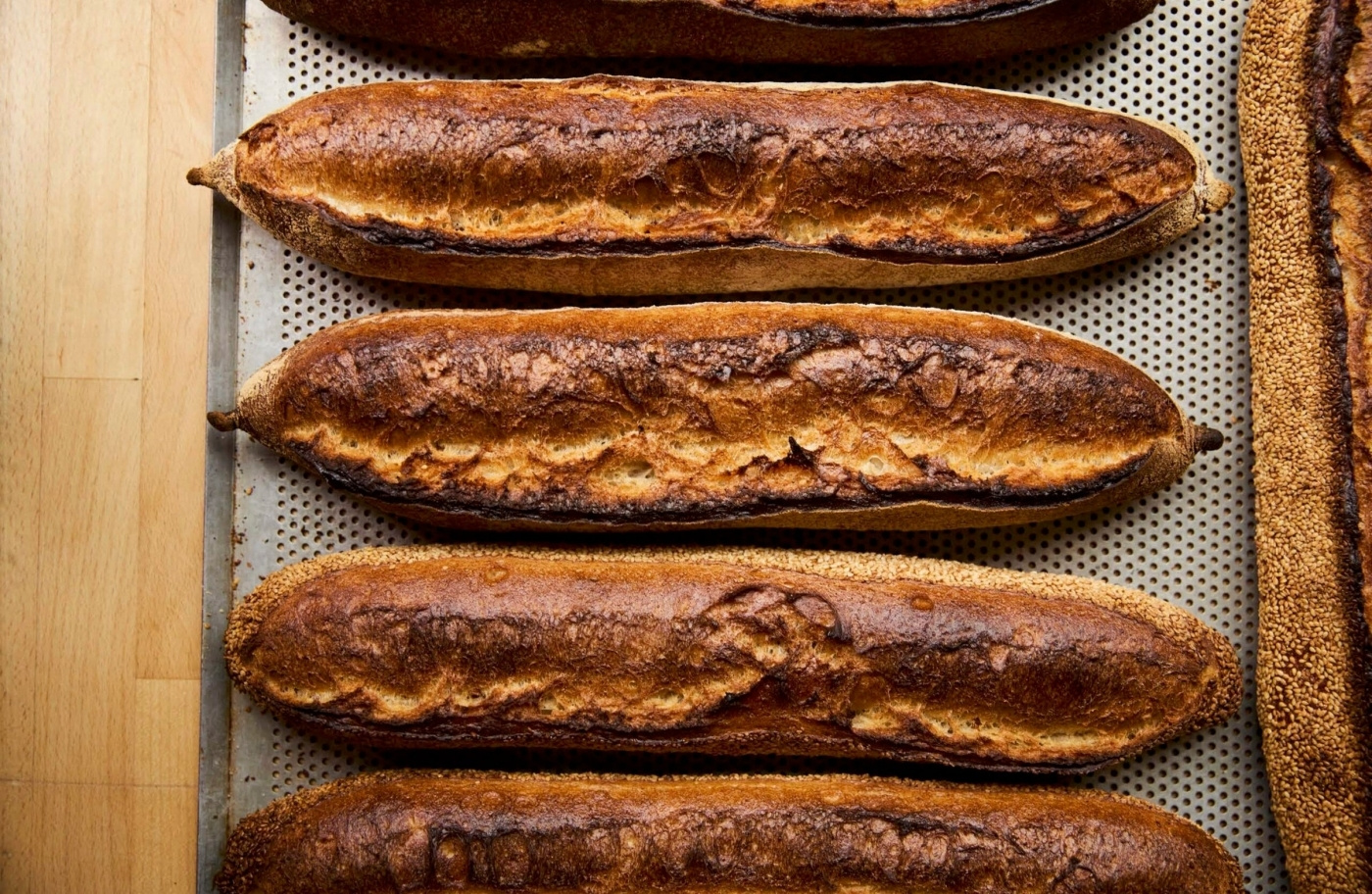
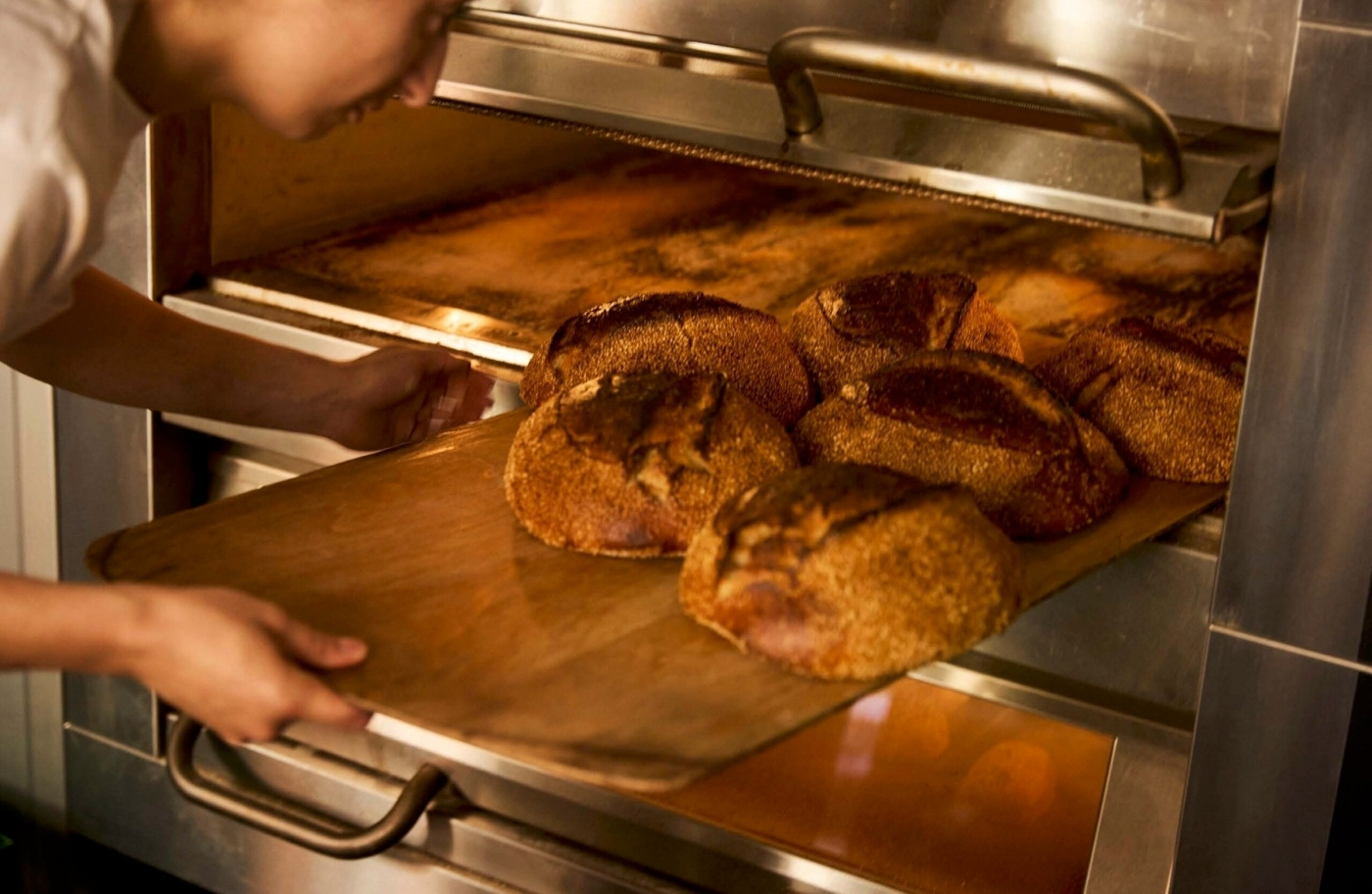
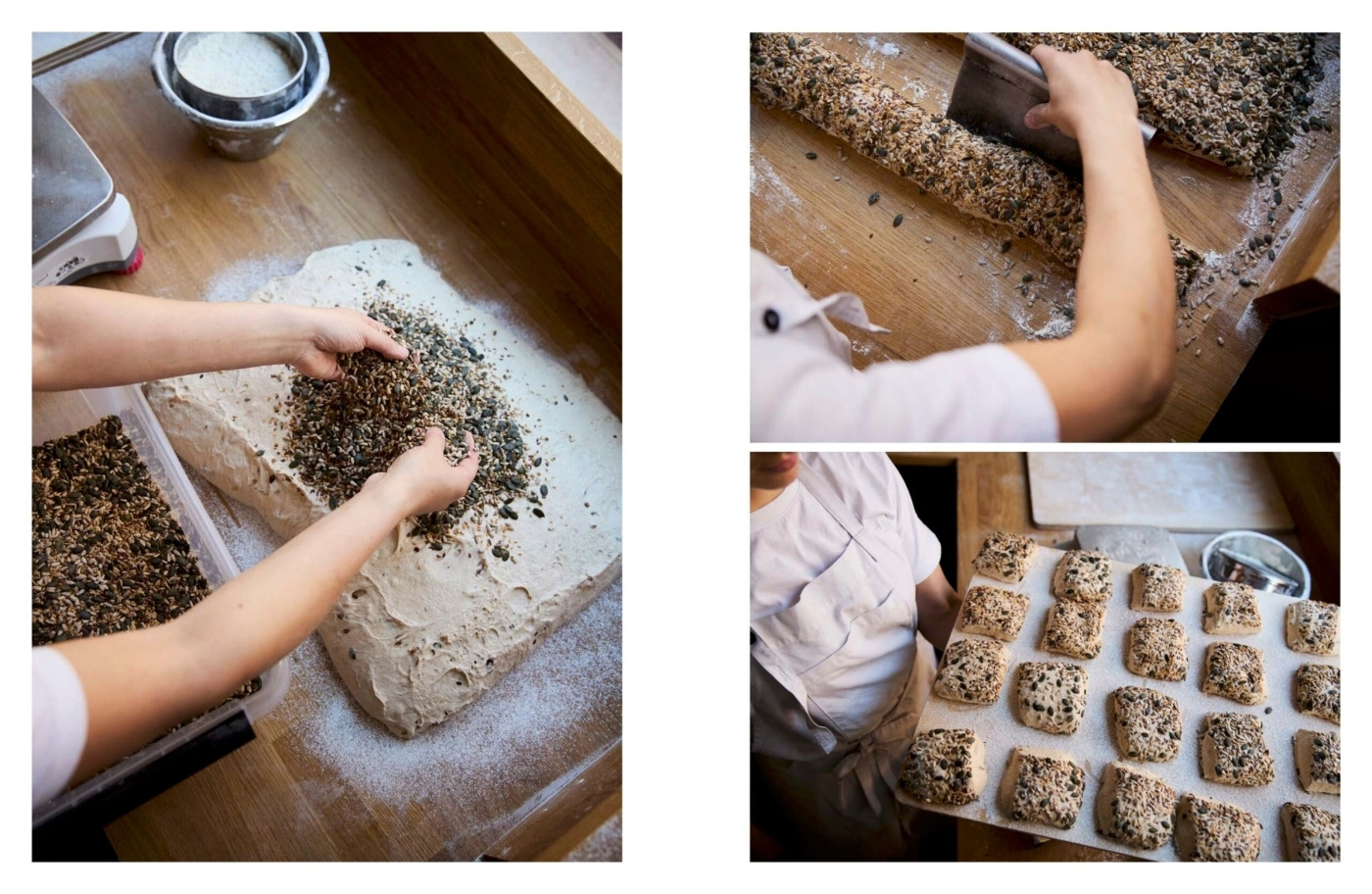
Written by Emil Glaser and Nina Schimmelpfennig, the book brings together the recipes, techniques and thinking behind Juno. Naturally, the bakery's famous cardamom buns are here, but so are breads, croissants, cakes and much more, together demonstrating that modern baking can no longer be divided quite so neatly into old categories. It is about flour and butter, but just as much about fermentation, temperature, texture, ingredient quality, timing and that final percentage point of precision separating something very good from something you are still thinking about several days after eating it.
This is therefore not merely a recipe book for anyone wanting to recreate Juno at home, although it is remarkably accessible for exactly that purpose too. It is equally interesting as a document of where modern baking culture is heading. For the home baker, there are recipes and knowledge to work through. For the professional baker, there is inspiration, points of reference and probably one or two things capable of inducing a mild bout of performance anxiety. And for anyone simply interested in contemporary gastronomy, Juno demonstrates just how much innovation is currently taking place beyond the dining room of the traditional restaurant.
We are usually cautious about calling new books modern classics. It is a convenient phrase that almost invariably becomes less embarrassing if you wait twenty years and let somebody else make the judgement. With Juno the Bakery, we are happy to make an exception.
It is not particularly difficult to recognise significance when looking backwards. Bocuse, Adrià, Redzepi and the others already have their chapters in gastronomic history. What is harder, and considerably more interesting, is recognising a shift while you are still standing in the middle of it. Juno represents precisely such a shift in baking.
In a few decades, it will be easier to describe exactly what happened to Scandinavian baking during the 2020s. Which ideas endured, which techniques spread and which names came to define the period. But there is no need to wait until then to recognise that the standard has already been raised.
Juno is one of the reasons it is where it is.
Format: Hardback
Number of pages: 344
Language: English
First published: 2025
The Kitchen Lab Selection
This is the clearest example in the entire selection of a book we claim belongs here before anyone else has had time to settle the matter. We have had the privilege of following Juno and the development of Scandinavian baking from a front-row seat, and it feels rather like being there when the Beatles changed music.