








 30 DAYS OPEN PURCHASE
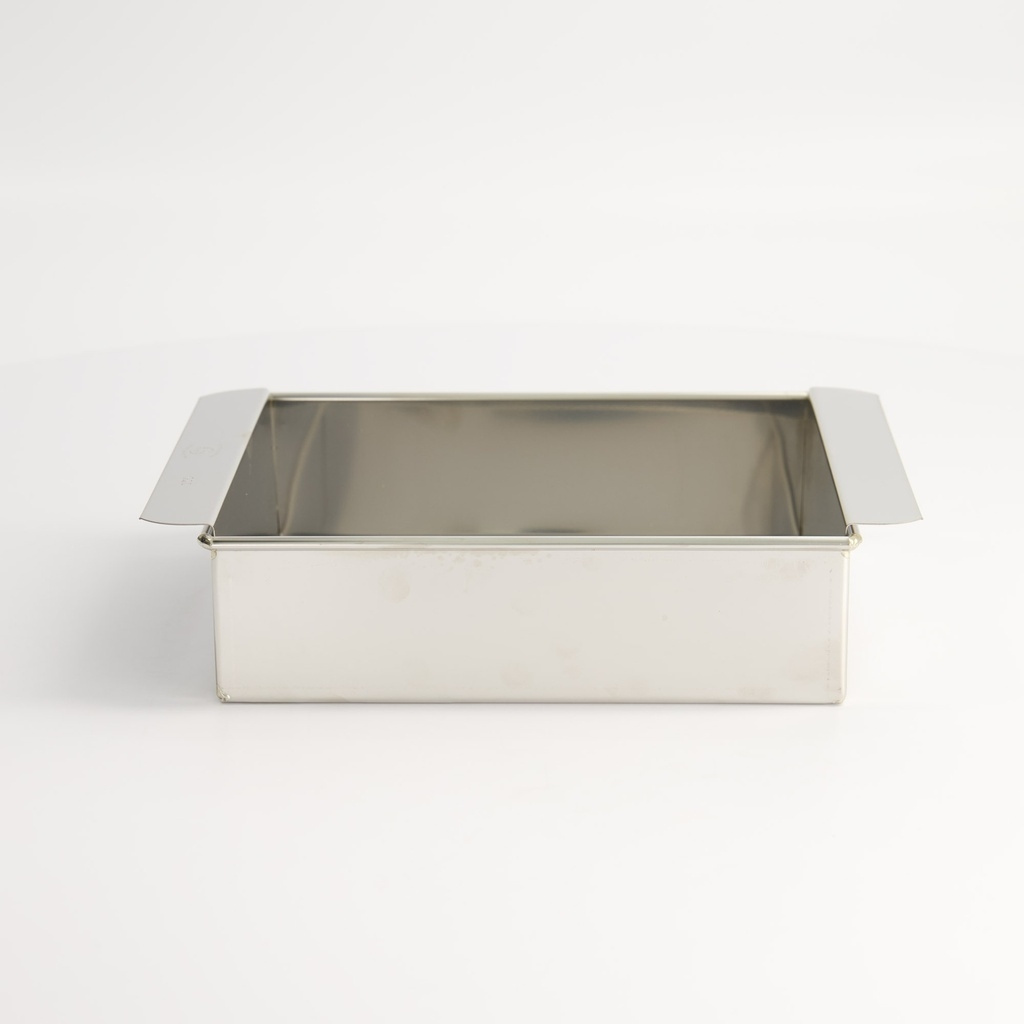
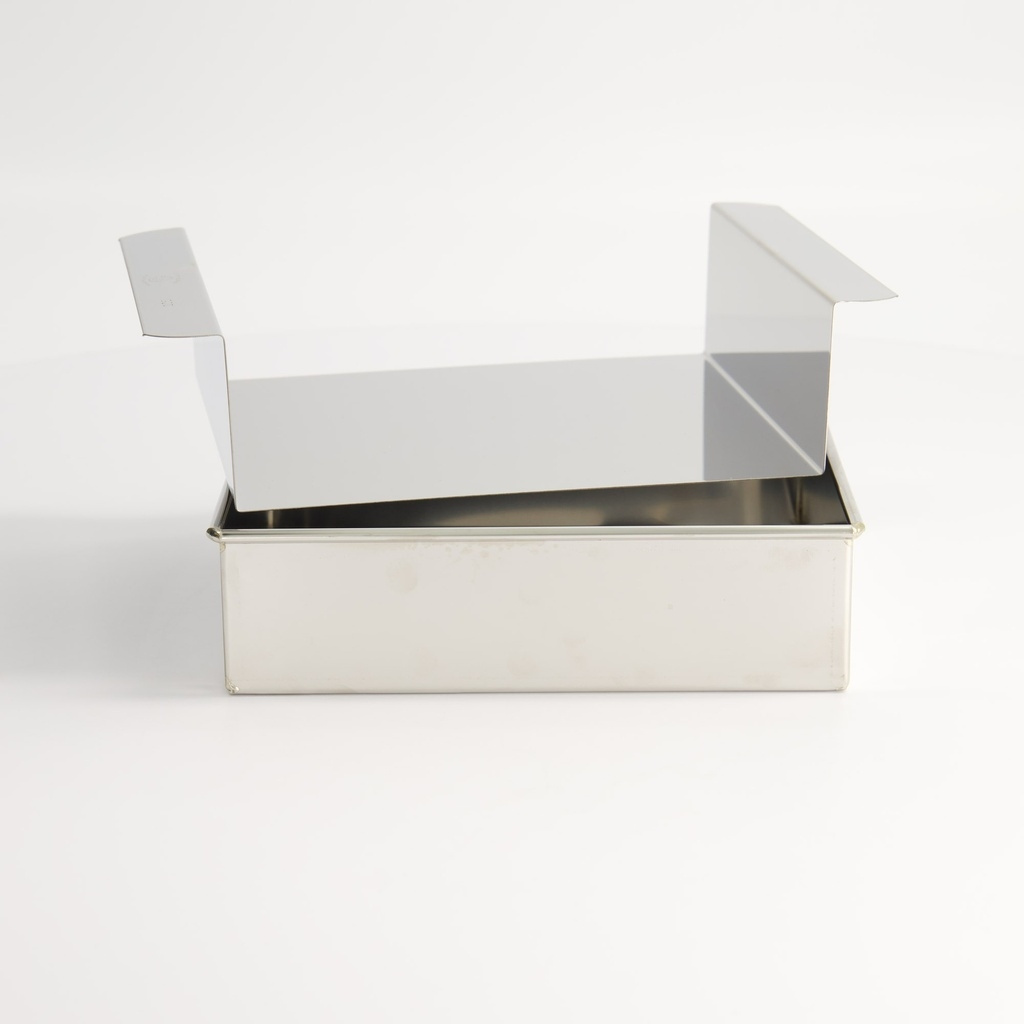
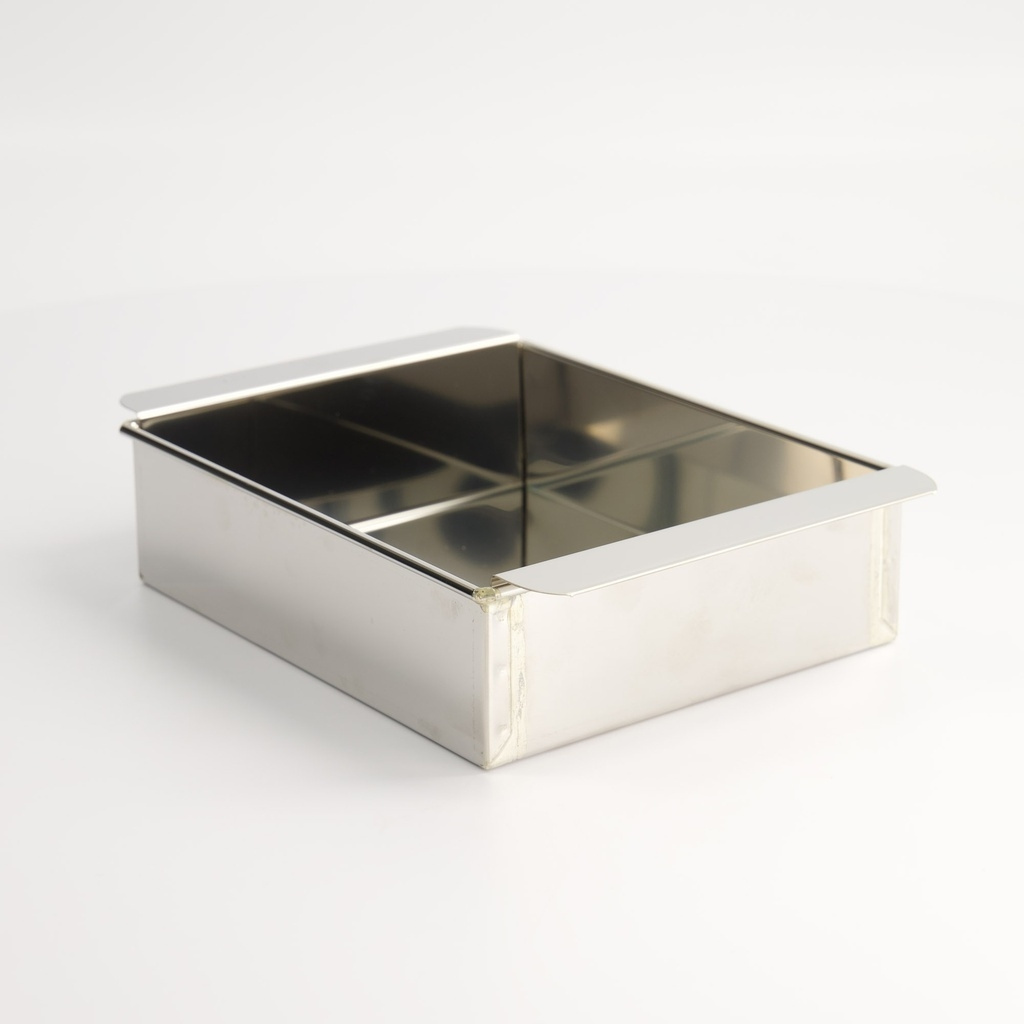
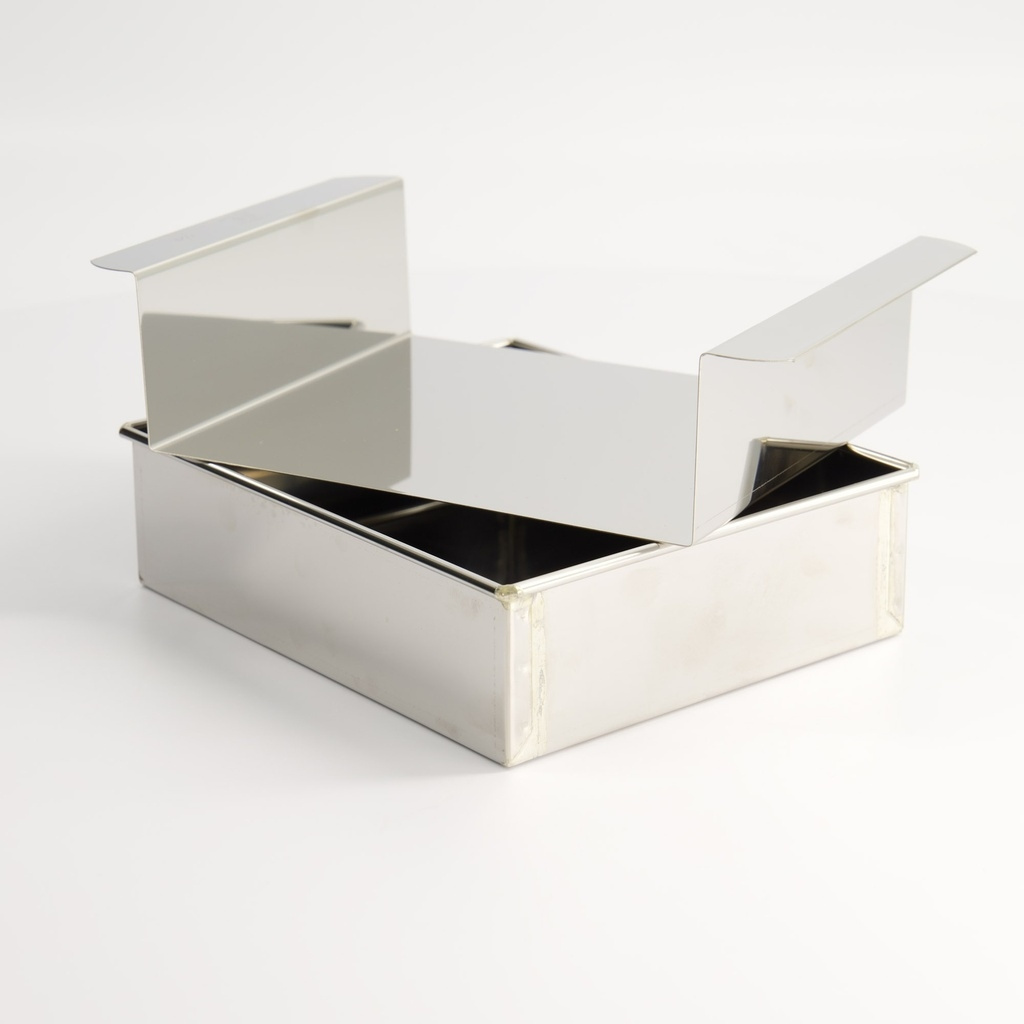
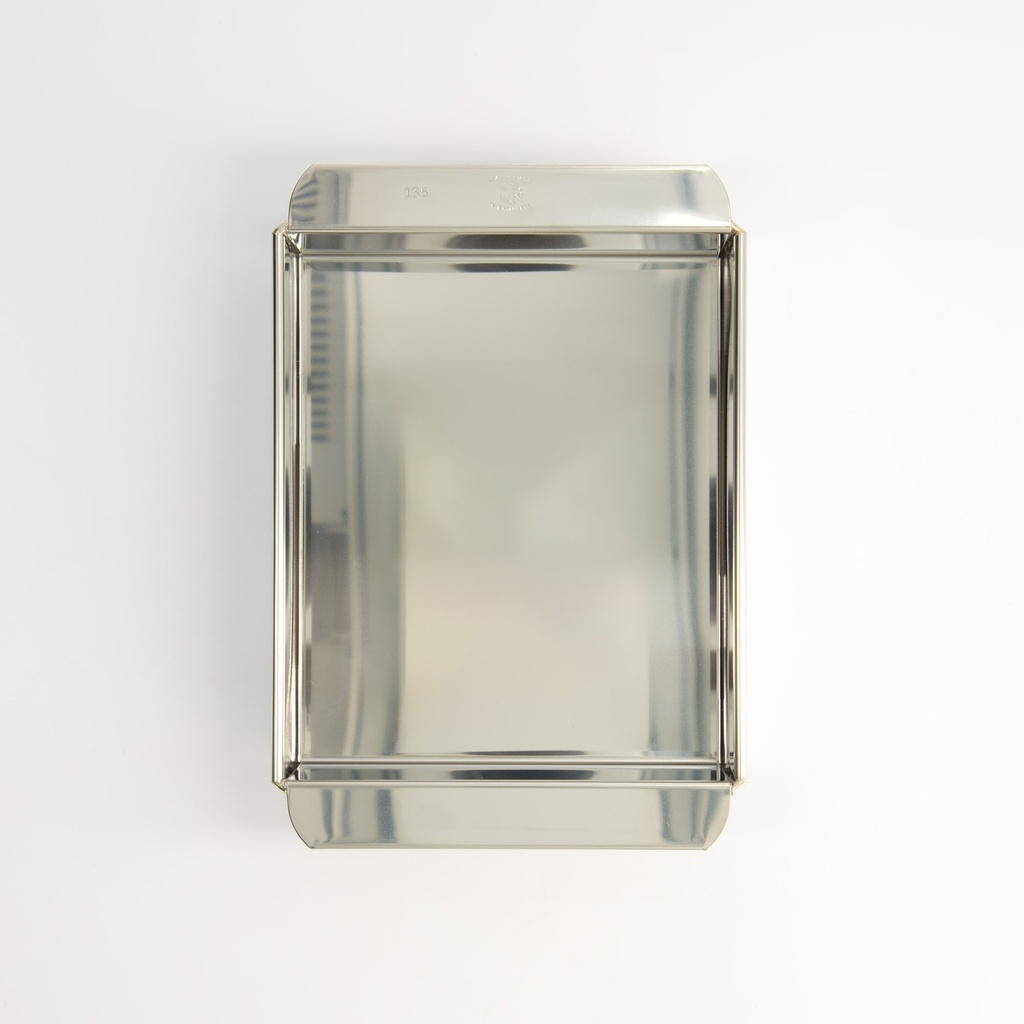
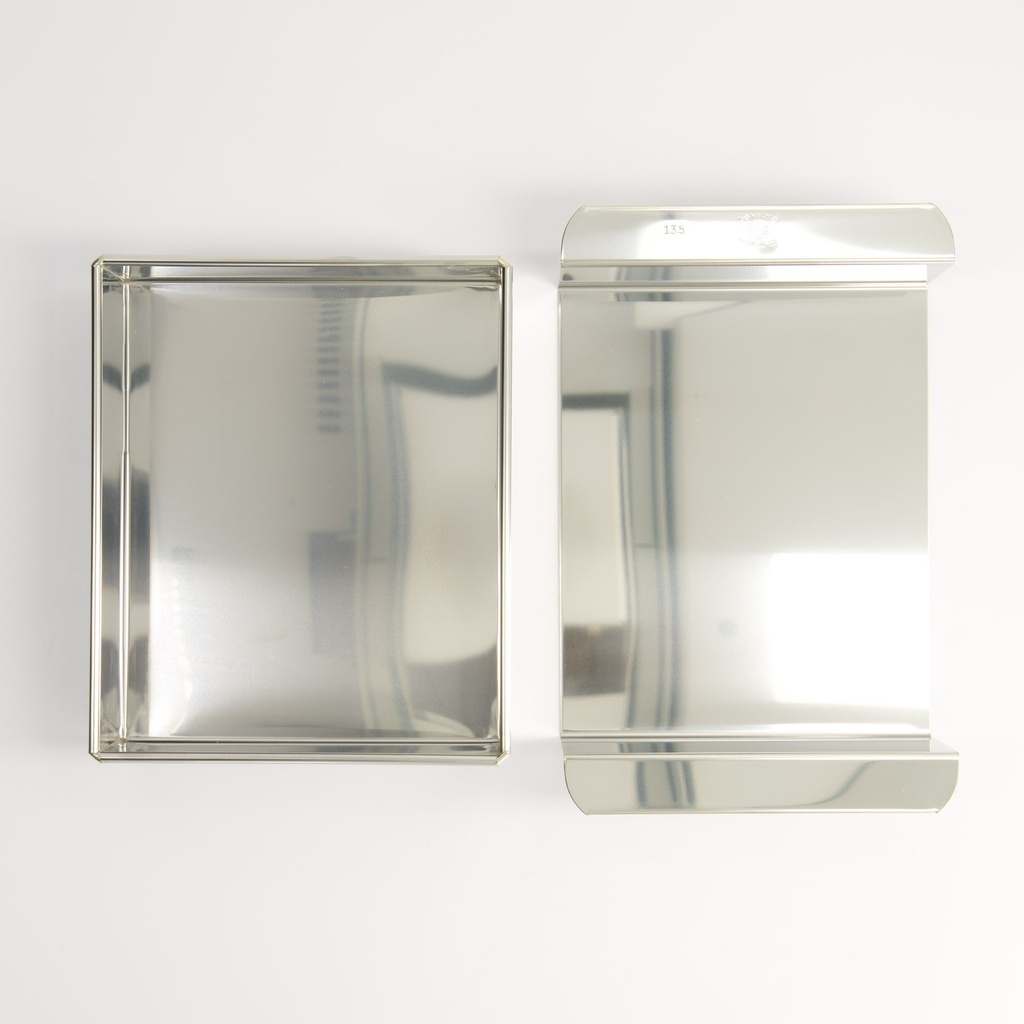
The press consists of two stainless steel parts: a bottom box and a removable press plate with folded handles that provide even pressure over the entire surface. It is used both in professional kitchens and at home, where you want to go from factory-packaged tofu to something more homemade. Squeezing out the liquid improves the texture, making the tofu firmer, more porous and receptive to marinades.
In Japanese and Korean cooking, this is seen as part of the cooking process - not as preparation. The drier surface results in a cleaner cooking surface, less splatter, and a clearer contrast between surface and interior. The same principle is used in restaurants working with handmade tofu, where consistent weight and time provide that distinctive, almost elastic firmness that is otherwise difficult to achieve.
This model is made in Japan from high-precision stainless steel. The material can withstand acid, heat and daily cleaning without deforming or discoloring. The handles are integrated into the press plate rather than riveted on, making it easy to lift even when the tofu is still hot. The edge is rounded to avoid sharp marks in the block, and the design allows the liquid to drain along the sides without the tofu slipping.
It's a tool that doesn't make much of a fuss, but changes the result in a way you notice first in the frying pan. The firm tofu takes on a texture that holds together in the wok, on the grill, or in a light fryer without cracking - and the flavor is concentrated into something completely different from the spongy standard block from the store.
Using it requires no force, just patience. Put the block in the bottom, place the plate on top, and let time do the work. After 15-30 minutes, the tofu has lost enough liquid to behave as it should. A simple process, but also one that says a lot about how Japanese cookware often works: they take something mundane and turn it into a system of control and smoothness.
For those who want to go beyond just preparing store-bought tofu, the press also serves as a mold in home making. Home tofu making starts with fresh soy milk that is coagulated with nigari or lemon juice. The coagulated mass is strained through a cloth - often cotton fabric called sarashi - and then poured into the press. When the natural whey starts to run off, the press plate is placed on top with a light weight. After a short while, a firm, even block of fresh tofu is formed with a texture reminiscent of handmade tofu from small Japanese workshops. Stainless steel can withstand both heat and acid, making this model particularly suitable for that process as well.
The same even pressure and drainage can be used for other raw materials. Pressed cucumber, eggplant and pickling vegetables - tsukemono - get a firmer texture and cleaner flavor when excess liquid is removed before salting or marinating. Many Japanese households use plastic presses for this purpose, but stainless steel gives a smoother and more hygienic result. The material is odorless and does not affect the taste, allowing it to be used over and over again without taking on the scent of strong ingredients such as garlic or miso.
The press also works well for separating whey from yogurt or cream cheese. A fine mesh cloth at the bottom and slow draining over a few hours produces a dense, mild and creamy texture - the same principle as for tofu, but with a different raw material. It's an easy way to make labneh or Greek yogurt at home, and the press produces a smoothness that is difficult to achieve with makeshift solutions like strainers and plates.
After pressing, the tofu can be left in the same mold for marinating. Pouring the marinade directly into the mold and covering with a lid or plastic film ensures even absorption and avoids unnecessary handling of the fragile block. It makes it easy to vary flavors - from soy and ginger to chili and sesame oil - and keep the clean, firm texture even after marinating.
- Natural pressing: Leave the tofu in the press with its own weight for 30-60 minutes.
- Weighted pressing: Add extra weight, such as a small bowl or glass of water. The result is very firm tofu suitable for grilling or frying.
- Hot pressing: Used in fresh production. The hot soy mass is poured directly into the press, and the block stabilizes as it cools naturally.
For best results: always place a thin cloth between the tofu and the metal to maintain smooth edges. Lift the press plate straight up rather than twisting, to avoid cracks in the block. Pressed tofu can be stored in cold water for up to 24 hours, but the flavor is best when used immediately after pressing.
16,5 x 13,5 x 5 cm