







 30 DAYS OPEN PURCHASE
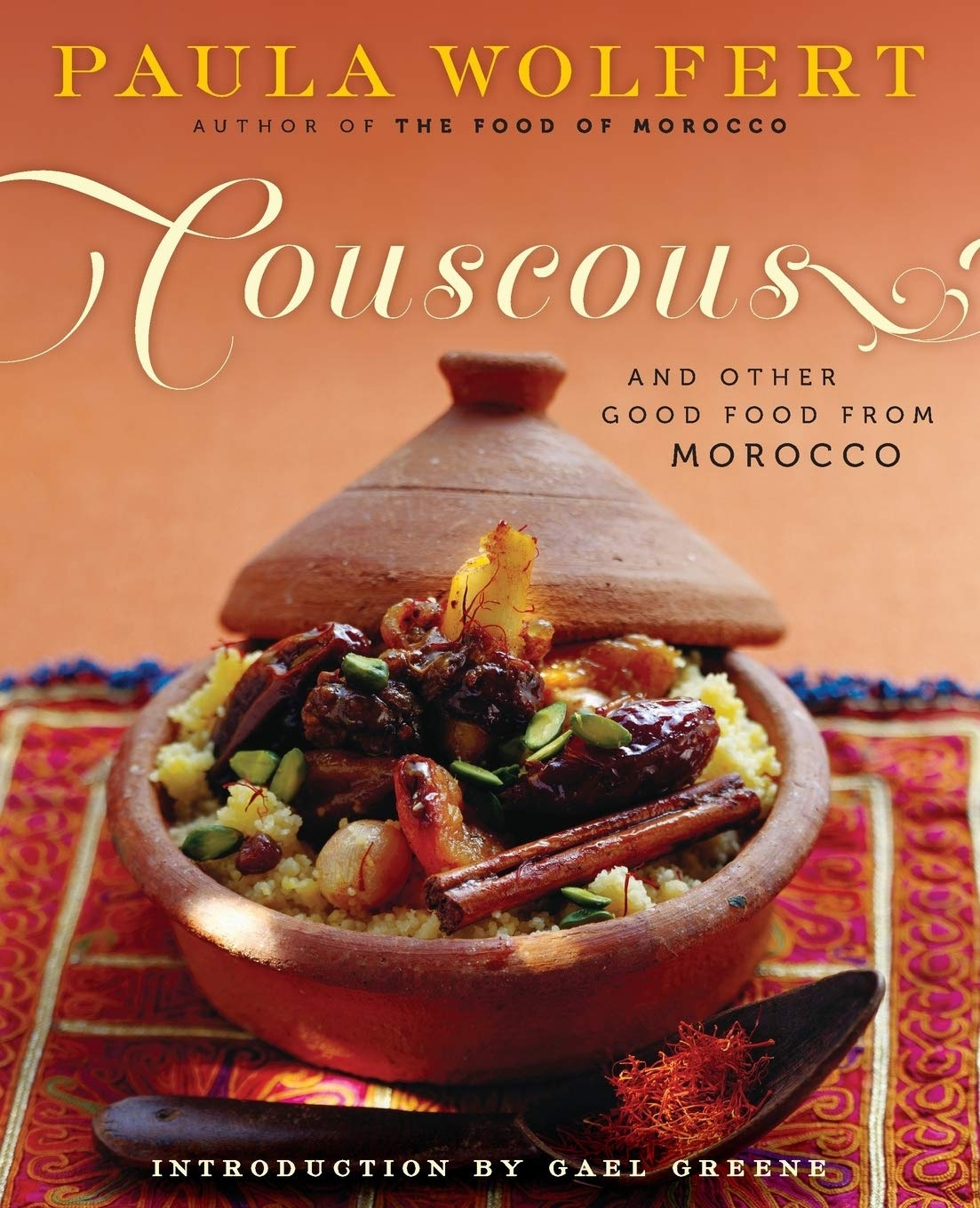
Paula Wolfert grew up in Brooklyn on cottage cheese and melon, with a mother who was constantly dieting and had little interest in food. As a student, she took six lessons with Dione Lucas, the British chef behind one of America’s first television cookery programmes, and liked them better than school.
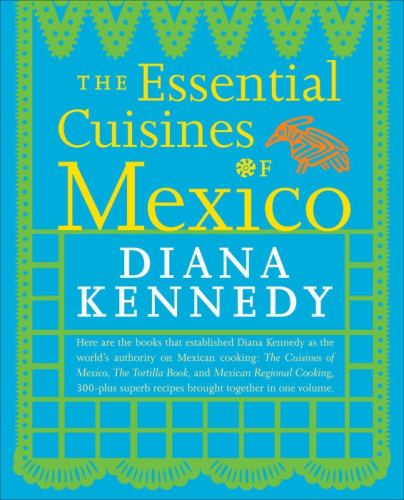
In 1959 she moved to Morocco, where she stayed for around twelve years and spent time with the writer Paul Bowles, the American who had made Tangier his home. There she learnt the food, and back in New York it was Diana Kennedy, who documented Mexico’s regional cuisines, who encouraged her to write the book.
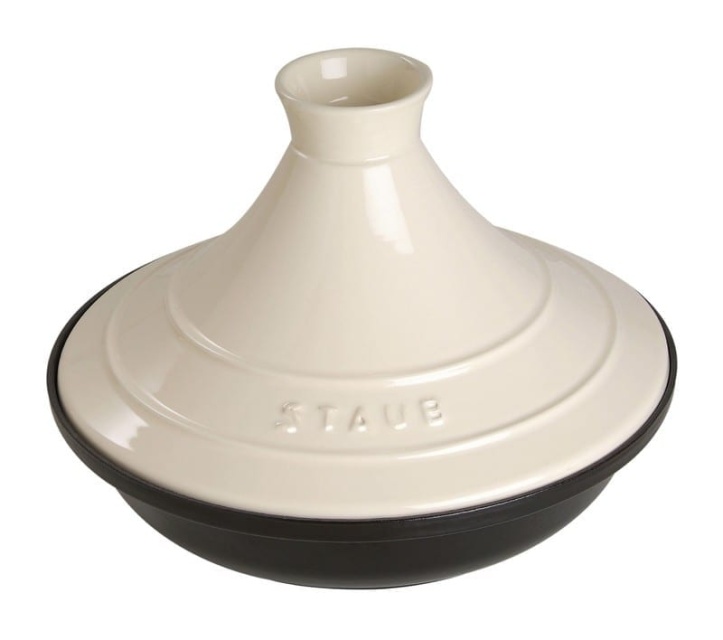
It was published in 1973, when tajine was still almost unknown in American kitchens. Here are couscous in numerous variations, tajine, grilled skewers and bstilla, large pies made from thin buttery sheets of pastry with different fillings. The food is constantly placed in context, with the people and places behind the dishes, and it was precisely this that made the book a model for an entire genre.
In 2008 it was inducted into the Cookbook Hall of Fame, the James Beard Foundation’s list of cookbooks that have shaped the field. Wolfert went on to write eight more books and returned to the country almost forty years later with The Food of Morocco. But this is where it all began.
Format: Paperback
Number of pages: 368
Foreword: Gael Greene
Illustrations: Sidonie Coryn
Publisher: HarperCollins
ISBN: 9780060913960
Language: English
First published: 1973, this edition 1987
The Kitchen Lab Selection
Wolfert treated Moroccan food as a fully developed cuisine with a logic of its own, deserving the same degree of precision as French cooking, long before it was taken for granted that cuisines outside Europe should be treated that way.
Together with Diana Kennedy, she laid the foundations for the cookbook as fieldwork: recipes gathered from homes and written down with respect for the people who cooked them. That approach is now taken for granted in the field, and its lineage can be traced back here.