







 30 DAYS OPEN PURCHASE
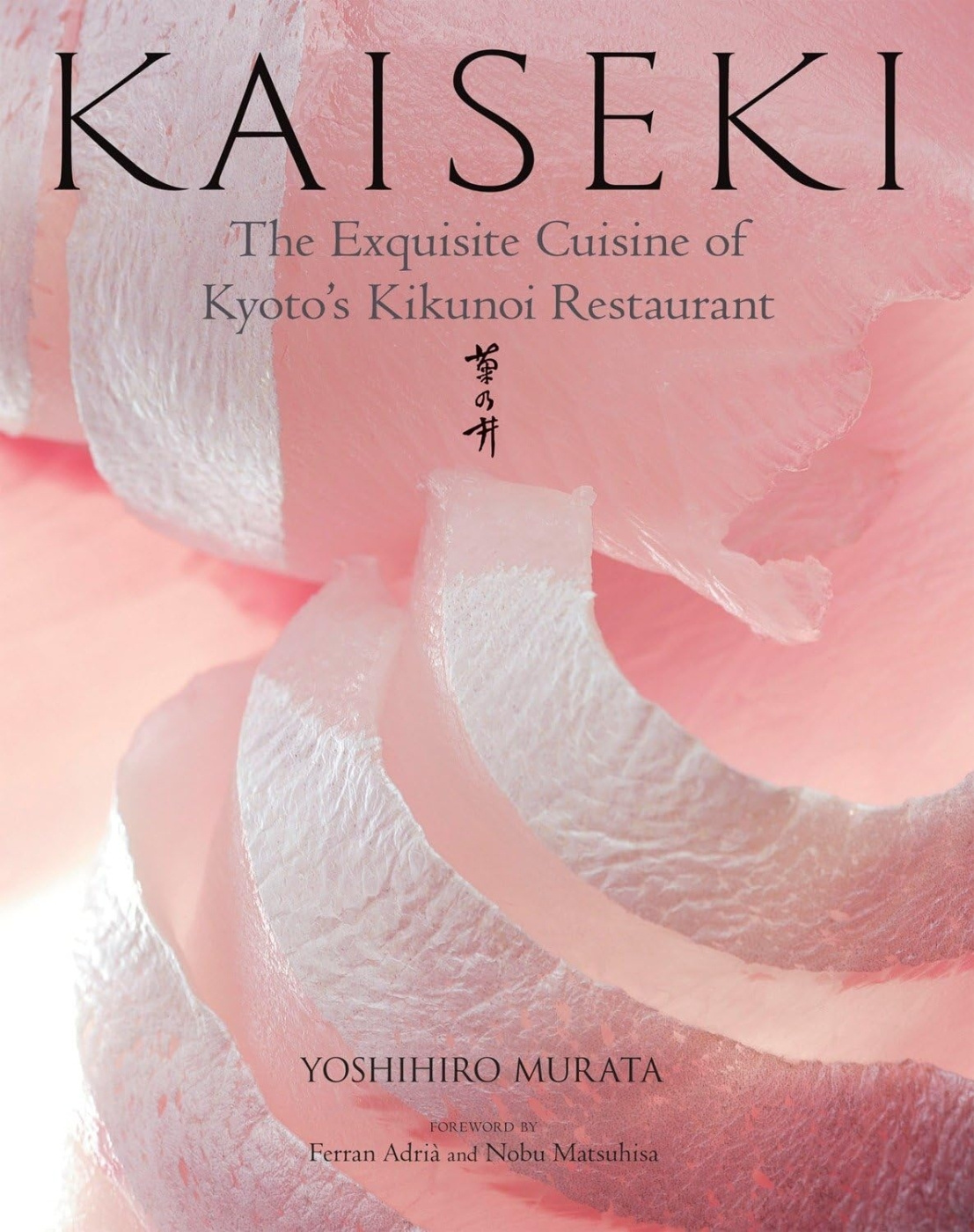
Kaiseki is the Japanese multi-course meal that grew out of the tea ceremony. The word means roughly stone in the bosom and comes from Zen monks who placed warm stones against their stomachs to endure hunger while fasting.
What governs a kaiseki is not the ingredient but the method of preparation. Each course represents a method, meaning one raw, one simmered, one grilled, one steamed, one vinegared, and they appear in a prescribed order. Everything else follows the season, and that means not only the food but also the tableware, garnishes and the room itself.
Season also means something different in Japan. The traditional calendar divides the year into 24 periods and then into 72 microseasons of roughly five days each. Kaiseki follows that division.
Yoshihiro Murata is the third-generation owner of Kikunoi in Kyoto, founded in 1912 and awarded three Michelin stars. He also led the effort to have Japanese food culture inscribed on UNESCO's list of intangible cultural heritage in 2013.
The book documents the meal season by season and course by course, with around 20 dishes for each season, exact recipes from the restaurant kitchen and a glossary that makes the material comprehensible even without prior knowledge. Forewords by both Ferran Adrià and Nobu Matsuhisa. There is no other serious source on kaiseki in English.
Format: Hardback
Number of pages: 192
Language: English
First published: 2006