








 30 DAYS OPEN PURCHASE
In a kitchen, notes end up on everything. Printer paper, napkins, walls, an arm if needed. But there are chefs who carry a notebook and fill it methodically, kitchen after kitchen, year after year. A page for the evening's menu. A page for the sauce that was not quite right but almost. A drawn plate seen from above, with numbers for placement and an arrow marking where the garnish shadow should fall. Sketches of ideas shaped by flavours, fruits, colour, and form. Notes that surface during a tasting, at a museum, on the bus, or in the middle of the night.
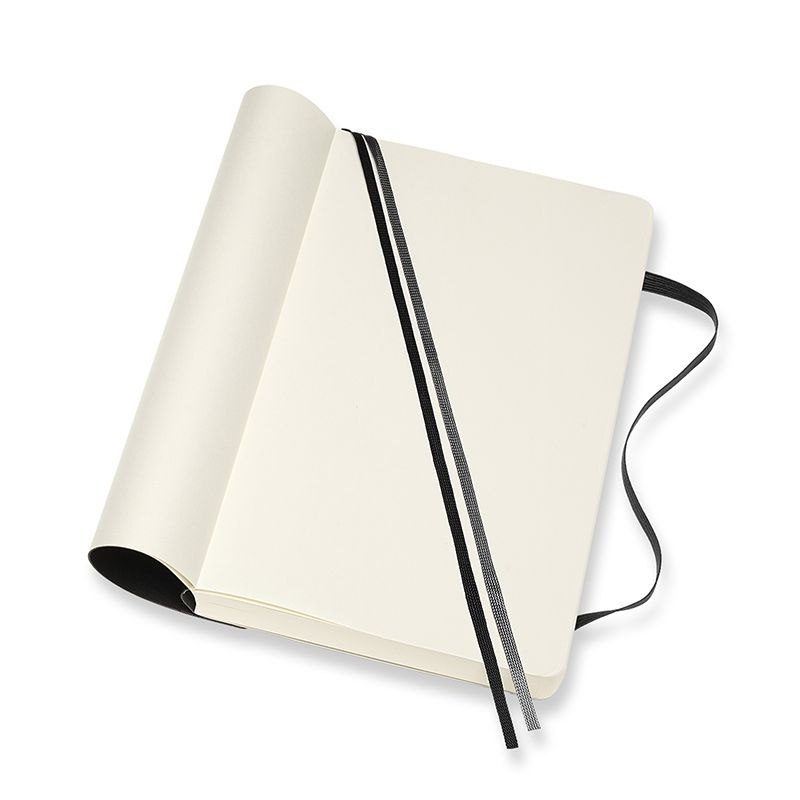
The unlined paper is what makes it work. Recipes are not written in running text — they require their own layouts: ingredients in one column, grams and percentages in another, temperatures circled, steps numbered but with arrows breaking the sequence when an idea pushes in. A lined page keeps the pen on the straight path. A blank page lets thought move where it wants.
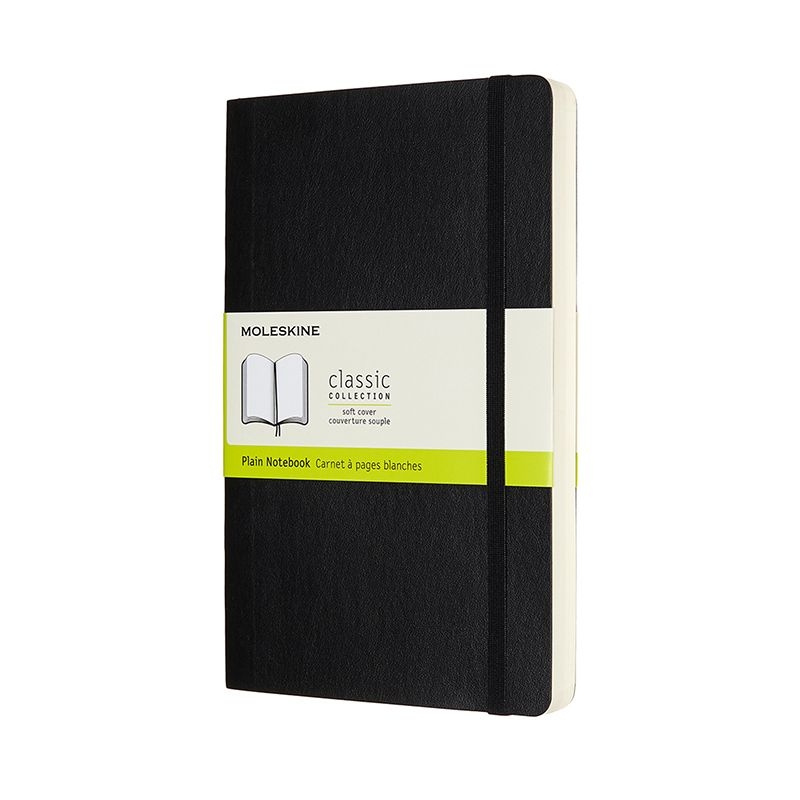
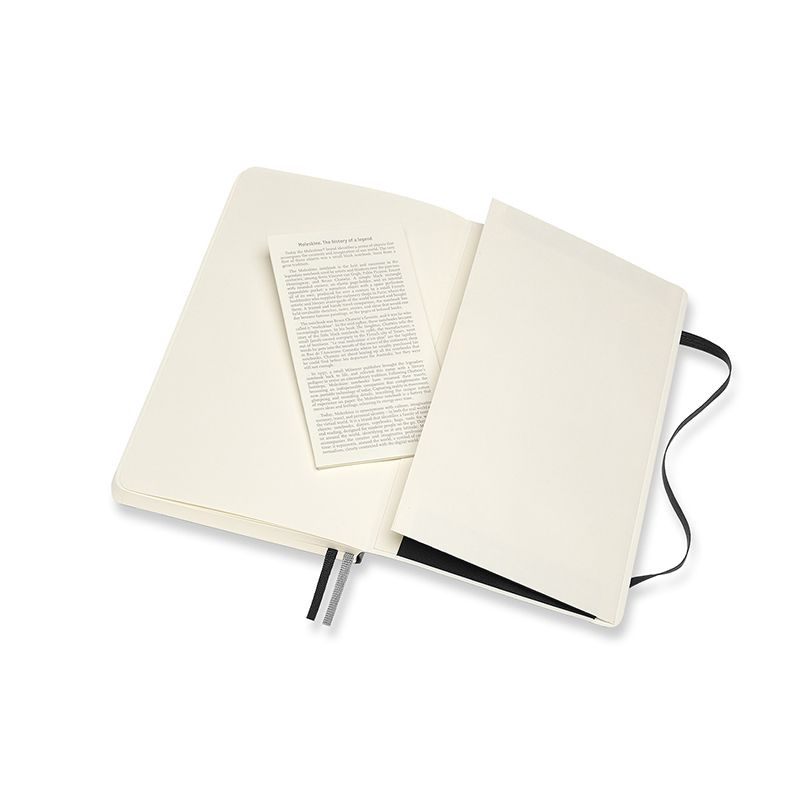
The soft cover bends against the pocket and against the palm. It gives a little as the notebook fills and a new layer of ideas is added to the old ones. It comes along without taking up space. A head chef sketching a new dish at the kitchen table at eleven at night and a trainee writing down corrections on the move both need exactly the same thing: a notebook that offers no resistance. We have chosen an extra-thick volume of 400 pages to last even longer.